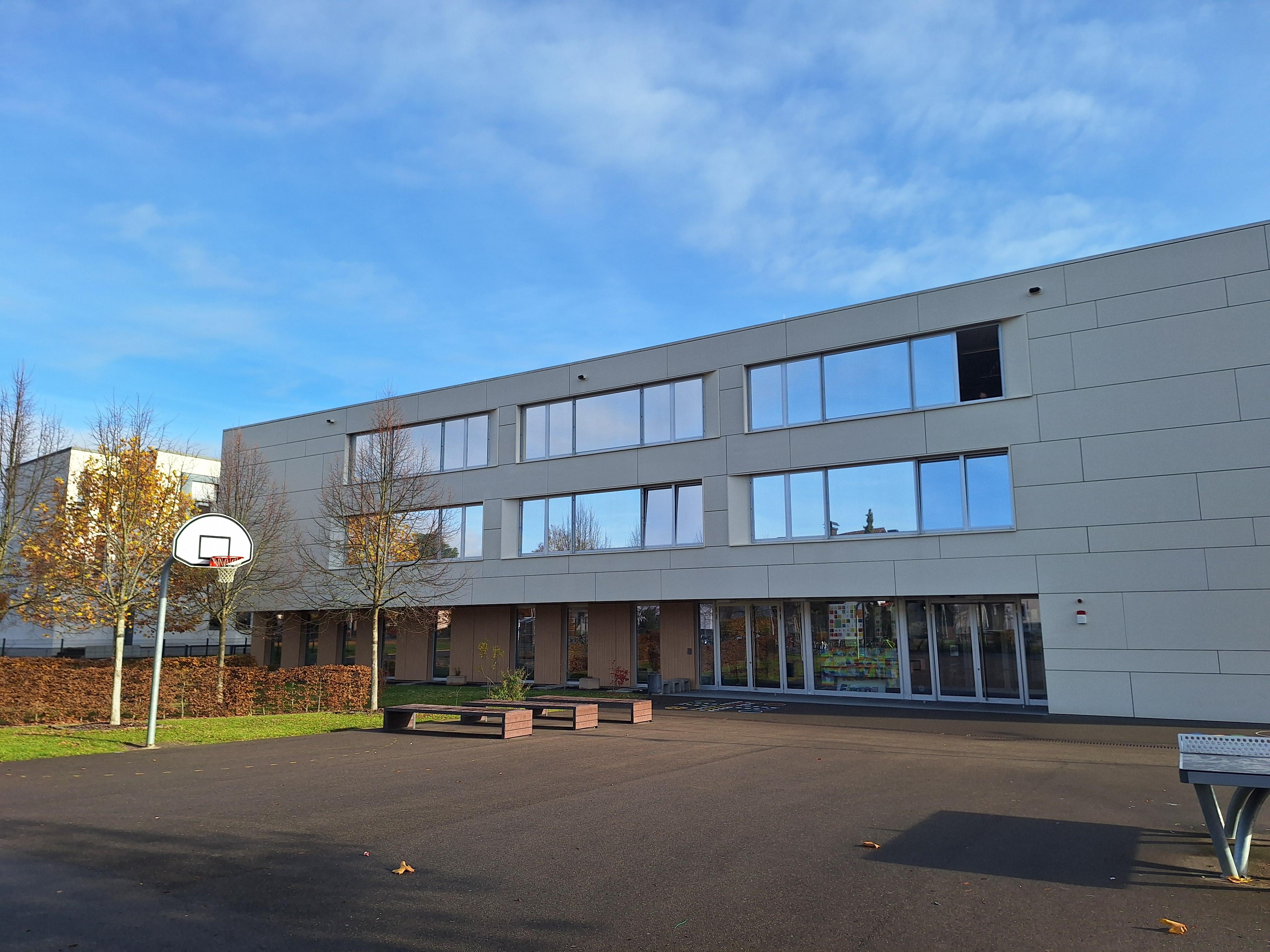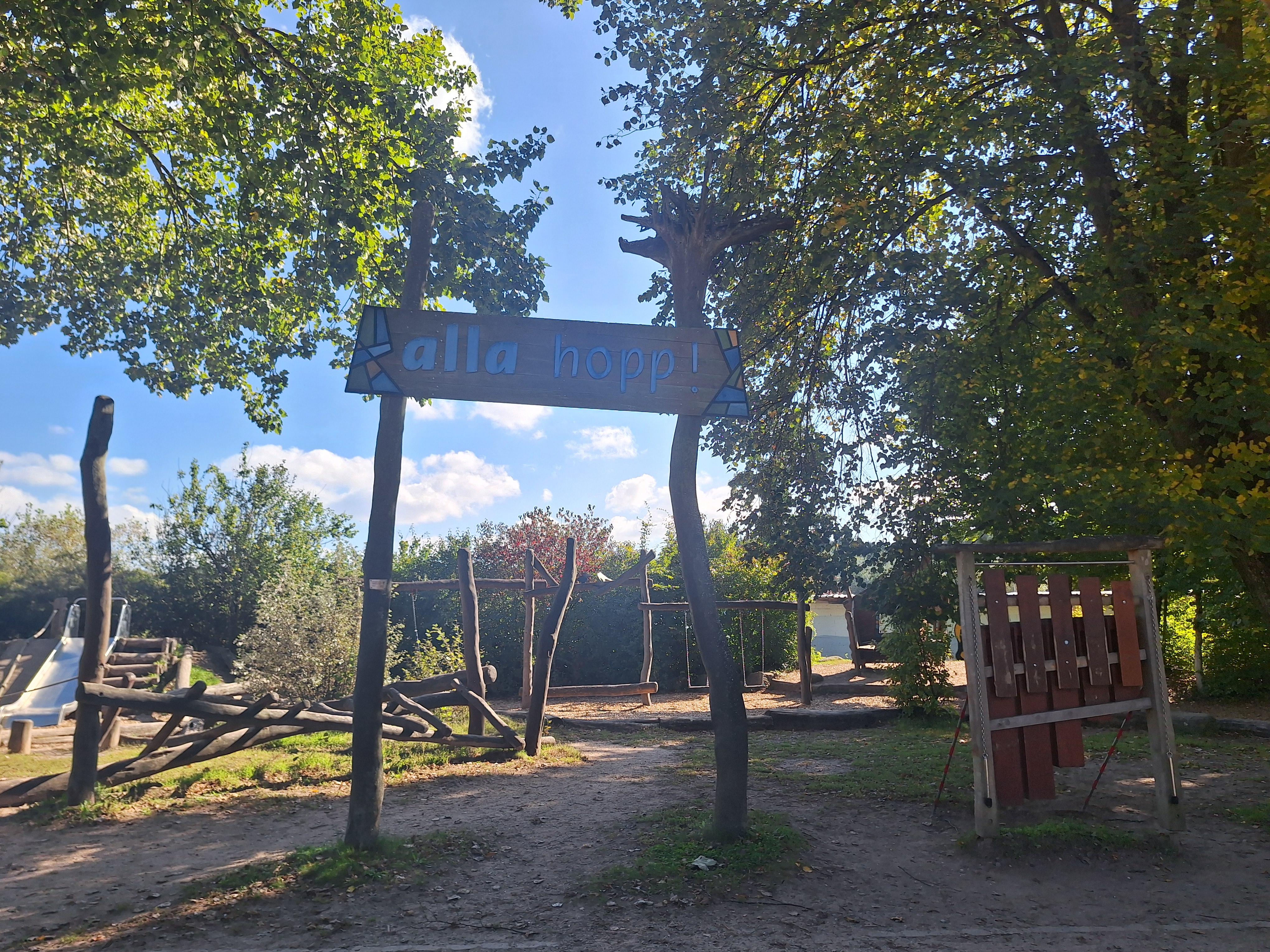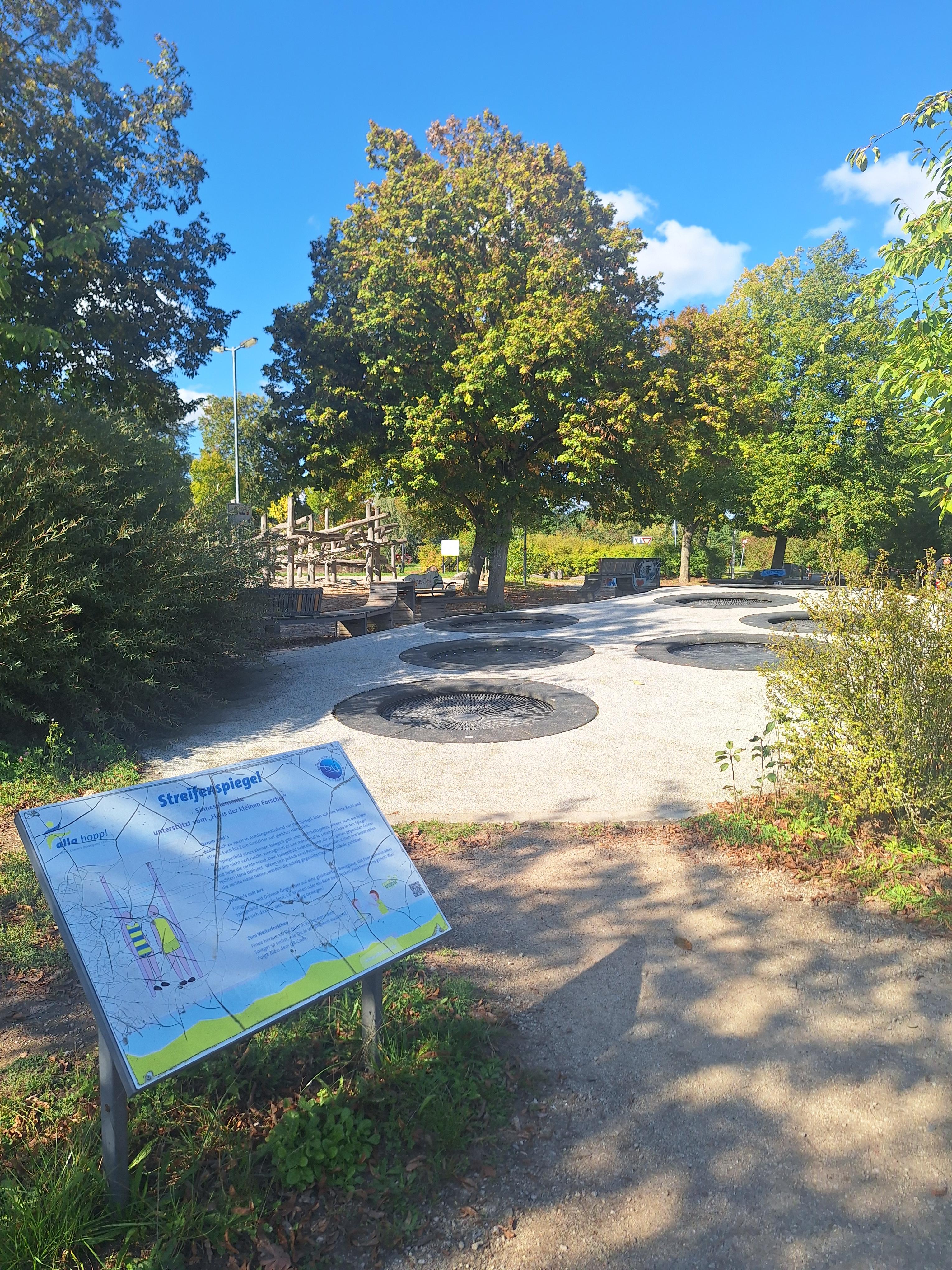
and classes are a bit shorter than you are used to -- about 45 minutes long. After every two lessons, there is a 20-minute break where the students must go outside. No students are allowed to stay inside during breaks without special permission. If it is raining, though, activities are moved inside. Groups of students will socialize, eat snacks or play games during this time. The younger students typically finish their school day around 12:30 p.m., and have the option to either go home for lunch or stay to eat in the cafeteria. Some typical lunches include fried fish, rice bowls and pasta dishes or salads. This would be served with a vegetable and fruit. Desserts are always some kind of light yogurt or pudding. Milk is not the standard lunch drink here, like it is in the U.S. Water would be more normal. Once students are in the “Oberstufe”, the optional grades 11-13, they must stay for lunch and continue classes into the afternoon, normally getting done around 2:30 p.m.
After school sports and clubs, as you know them, do not exist. In Germany, it is more common to participate in sports and activities that are organized through the community you live in, rather than your school. Many students travel to school by train, and don’t necessarily live nearby. It makes more sense then, to play with your town’s youth team. With a lack of interest in school-based sports, the schools have also gotten used to this way of doing things and don’t even offer their own sports teams. Each grade level in school will have a designated "free period" scheduled into their week somewhere. This time can be used for social and club-based activities; however, these club times are much less formally utilized.