It is a vibrant, month-long celebration with an emphasis on the celebrations every Sunday during the month of February leading up to the 27th. It started in the 1500s, but for a period of 22 years during the 1800s, it was banned across the country. Since then, it has become a symbol of independence and national identity.
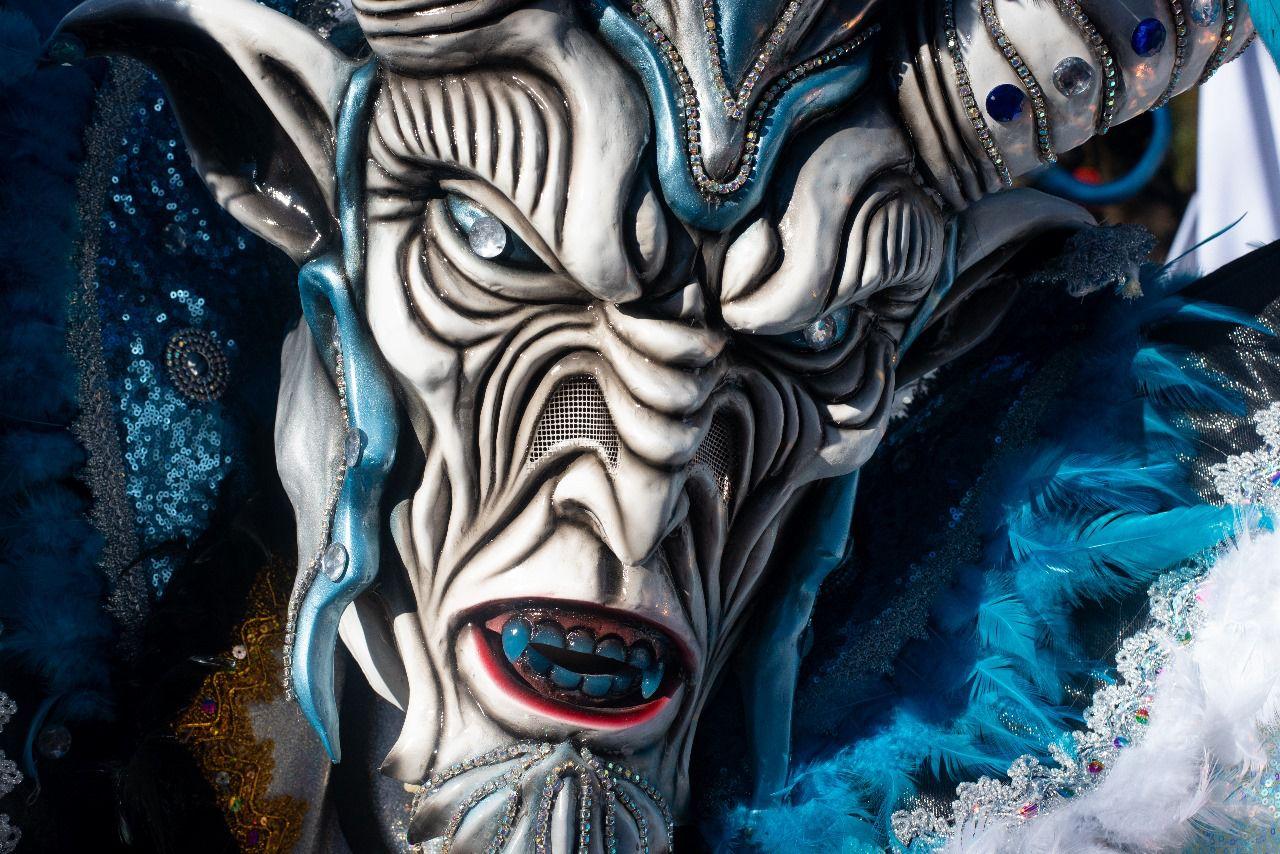
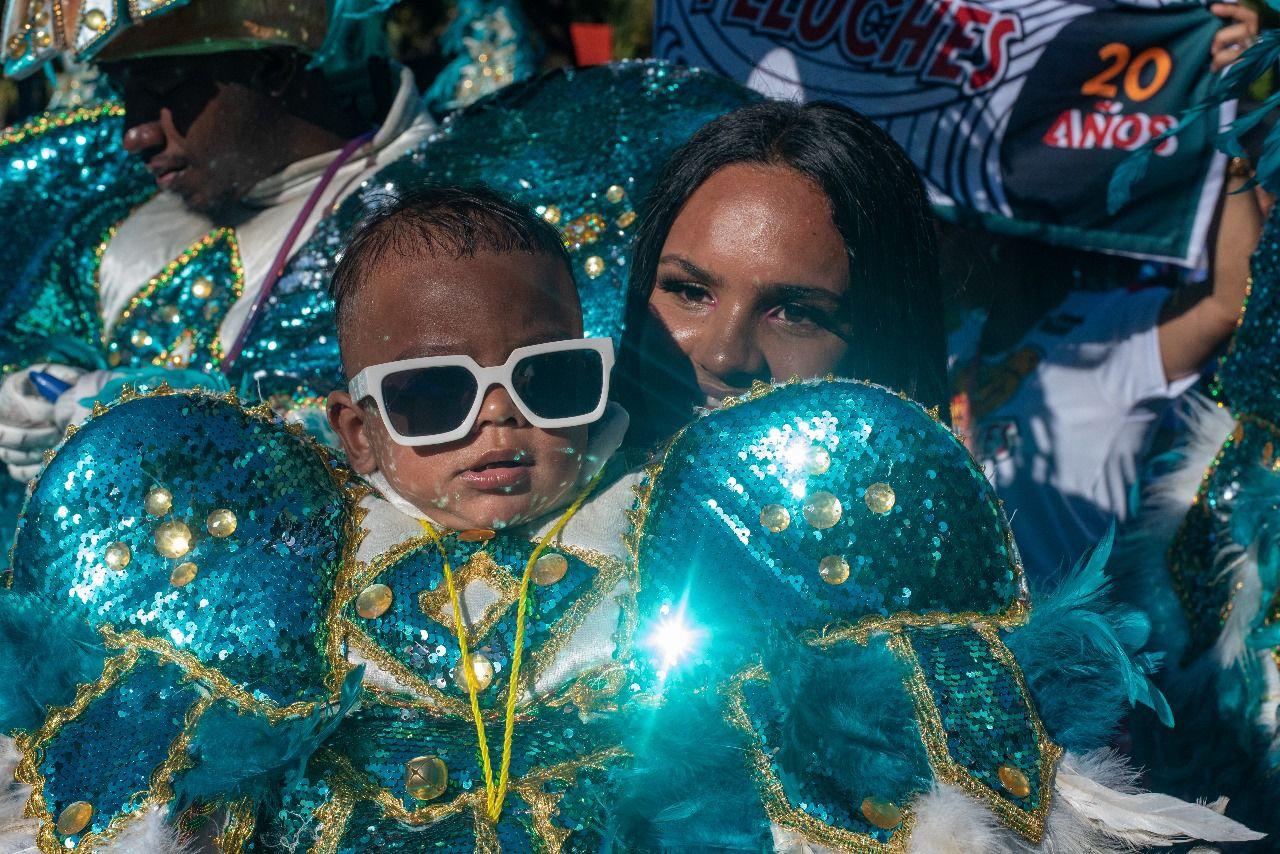
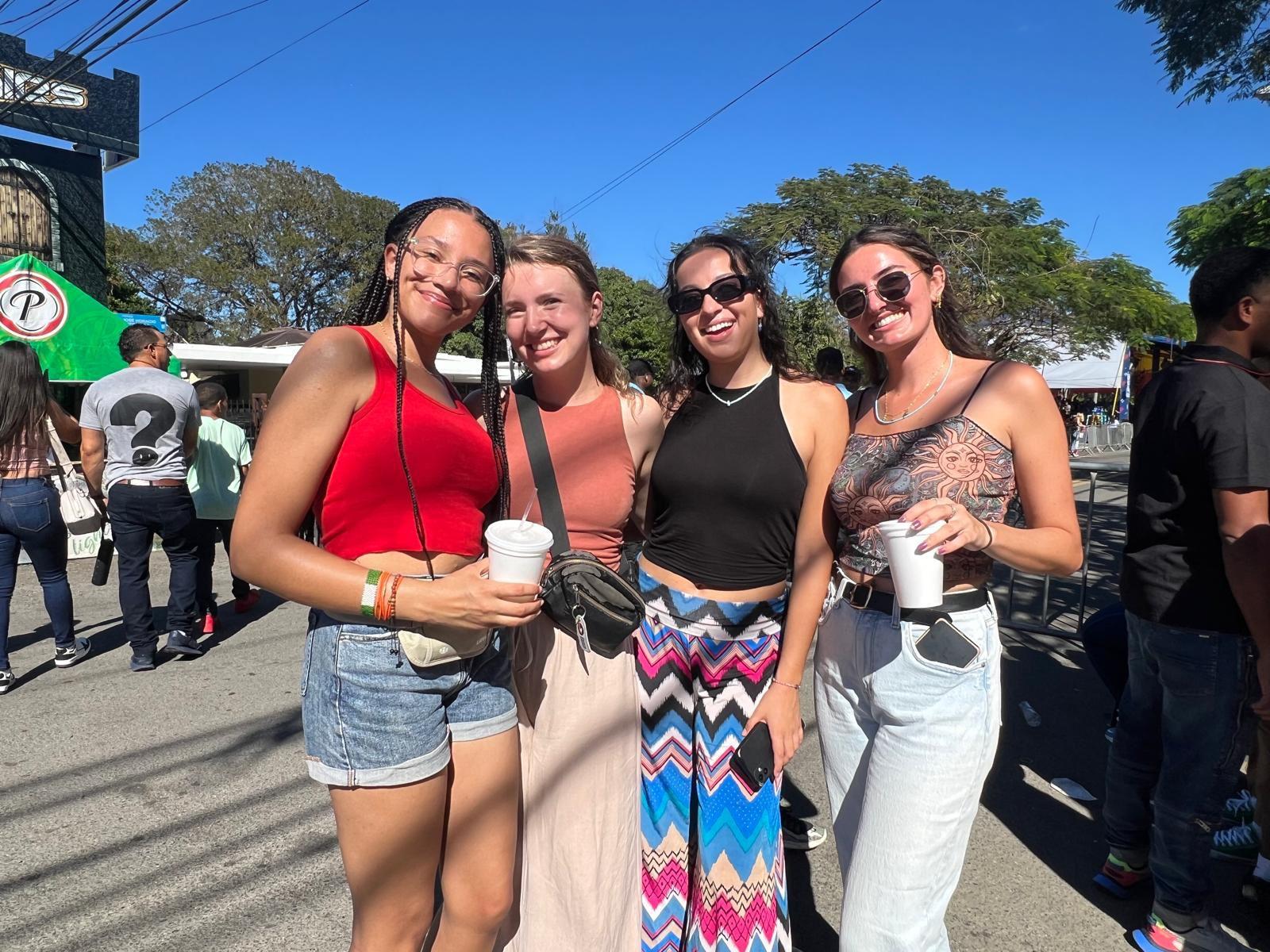
Before I arrived in the DR, I had heard about carnaval, but I did not know much, so I had the opportunity to experience and learn about this tradition. In doing simple research, I learned that there were a few cities in the Dominican Republic that were known for their celebrations: Santo Domingo (the capital), Santiago, and La Vega. Ultimately, my friends and I decided to go to the festival in La Vega because it is considered one of the oldest, most famous carnaval celebrations with one of the largest organized parades. The festivities started around 9 in the morning. The roads in almost the entire town were closed and the streets were lined with vendors and food trucks. Everyone was awaiting the start of the midday parade and wanted to get good seats. The parade was enormous with about 2,500 participants from 200 different carnaval groups each with different costumes. The costumes are extremely intricate. I was told that people take over half a year hand crafting the costumes out of paper maché and other materials. One of the most iconic characters that you will see in a carnaval celebration is Los Diablos Conjuelos (the limping devils). It is said to represent a devil banished from heaven who limps upon hitting the earth, symbolizing the purge of negative energy. It wasn’t just those that participated in the parade that would dress up, but spectators as well.