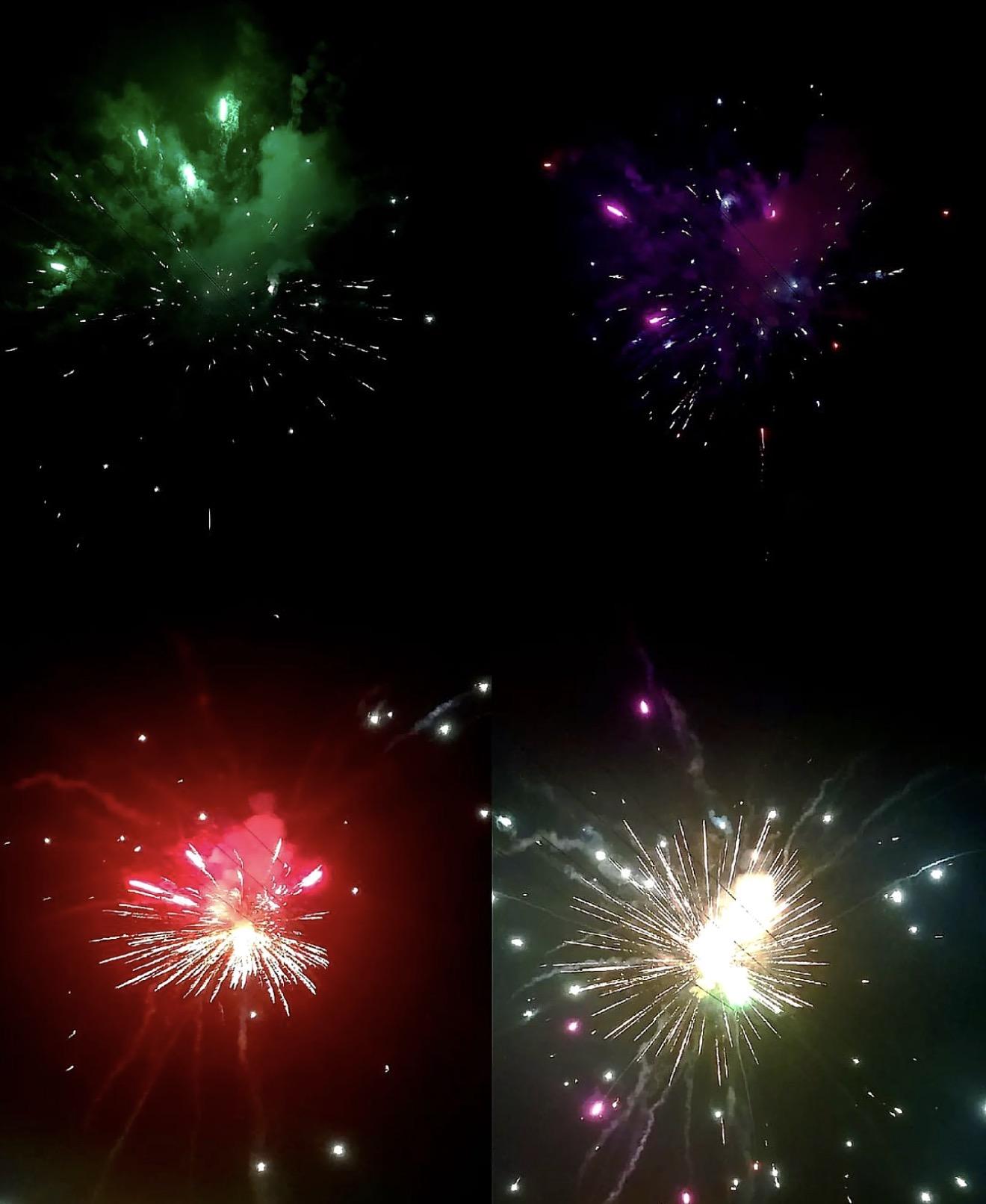
A few months later, Parliament passed a law making 5 November a yearly day of thanksgiving.
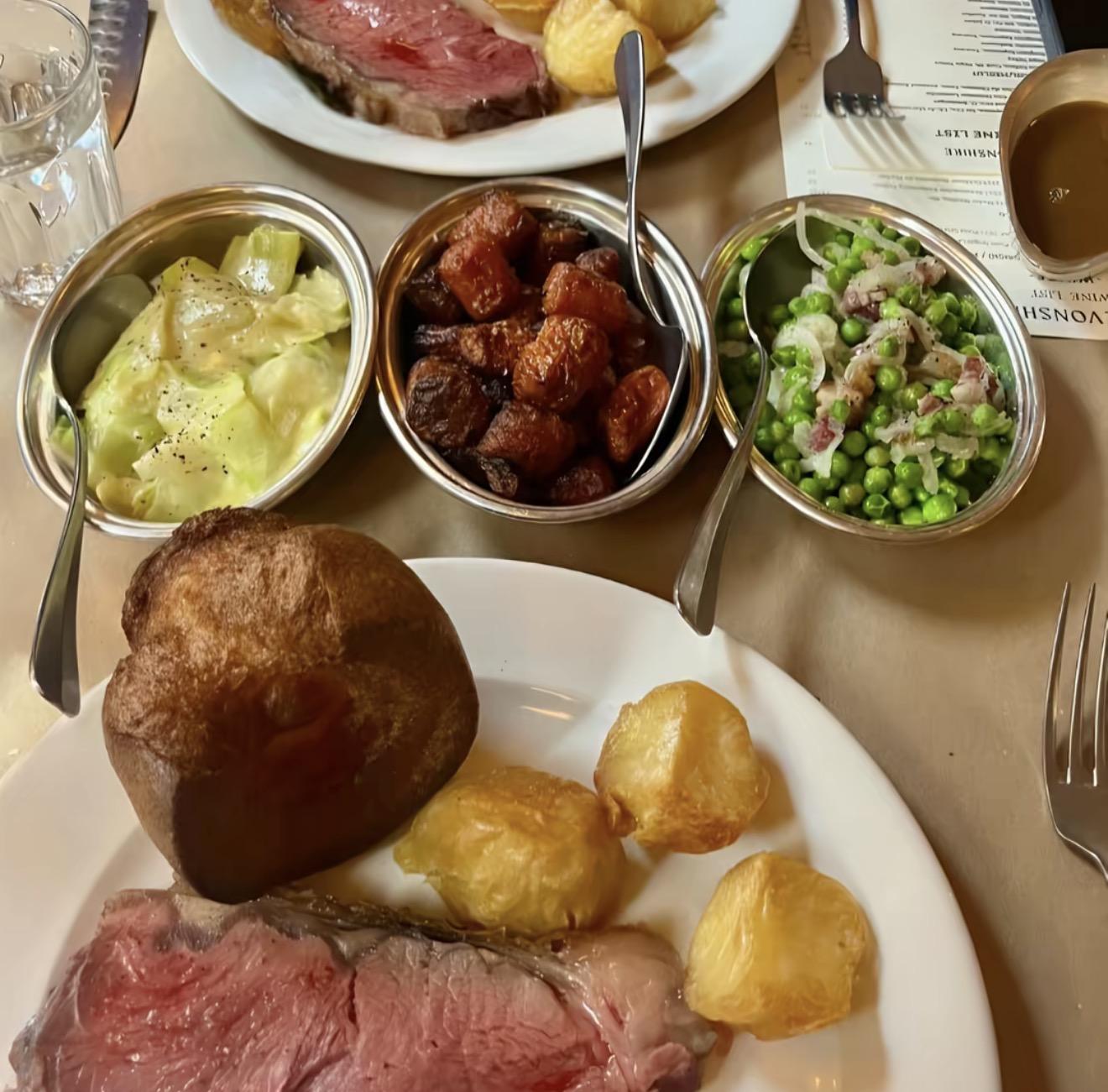
That law ended in 1859, but people kept the bonfires and fireworks going anyway. Today, most people celebrate just to have fun together. I find this tradition especially interesting because I work in Parliament, in the same buildings the plotters tried to destroy. The other winter traditions are about bringing people together. Skating, walking under the lights, and sharing a Sunday roast give friends and families a reason to get out of the house and spend time with each other when the weather is gloomy. Students in the U.S. might notice that Bonfire Night is a bit like the Fourth of July. Both holidays remember an important moment in history, and both are celebrated with fireworks.
Yes! London is much farther north than Texas. That means winter days here are very short. In December the sun rises around 8am and sets before 4pm. The environment shapes these traditions in a few ways: 1) Darkness makes light special. Fireworks, bonfires, and glowing landmarks like Tower Bridge on the River Thames look best when it gets dark early. Lighting up the night is a way to make the long, dark evenings feel cheerful instead of gloomy; 2) London's winters are cold enough that people bundle up in coats, hats, and scarves to skate outside, and then warm up with hot chocolate afterward; 3) The Sunday roast uses local, cold-weather foods. Potatoes, carrots, cabbage, and peas all grow well in Britain's cool, rainy climate.