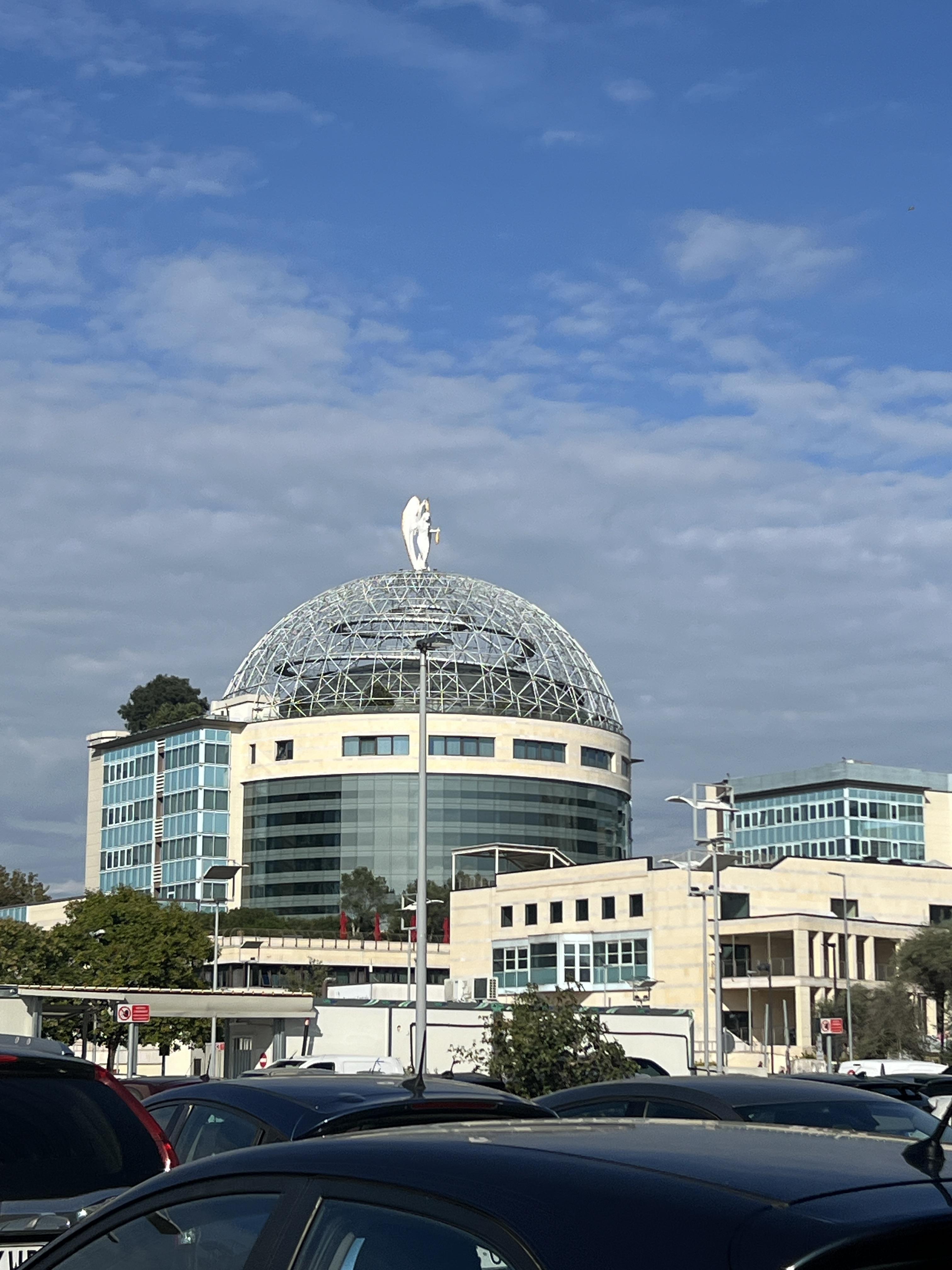
The campus even has its own associated university, Vita-Salute San Raffaele.
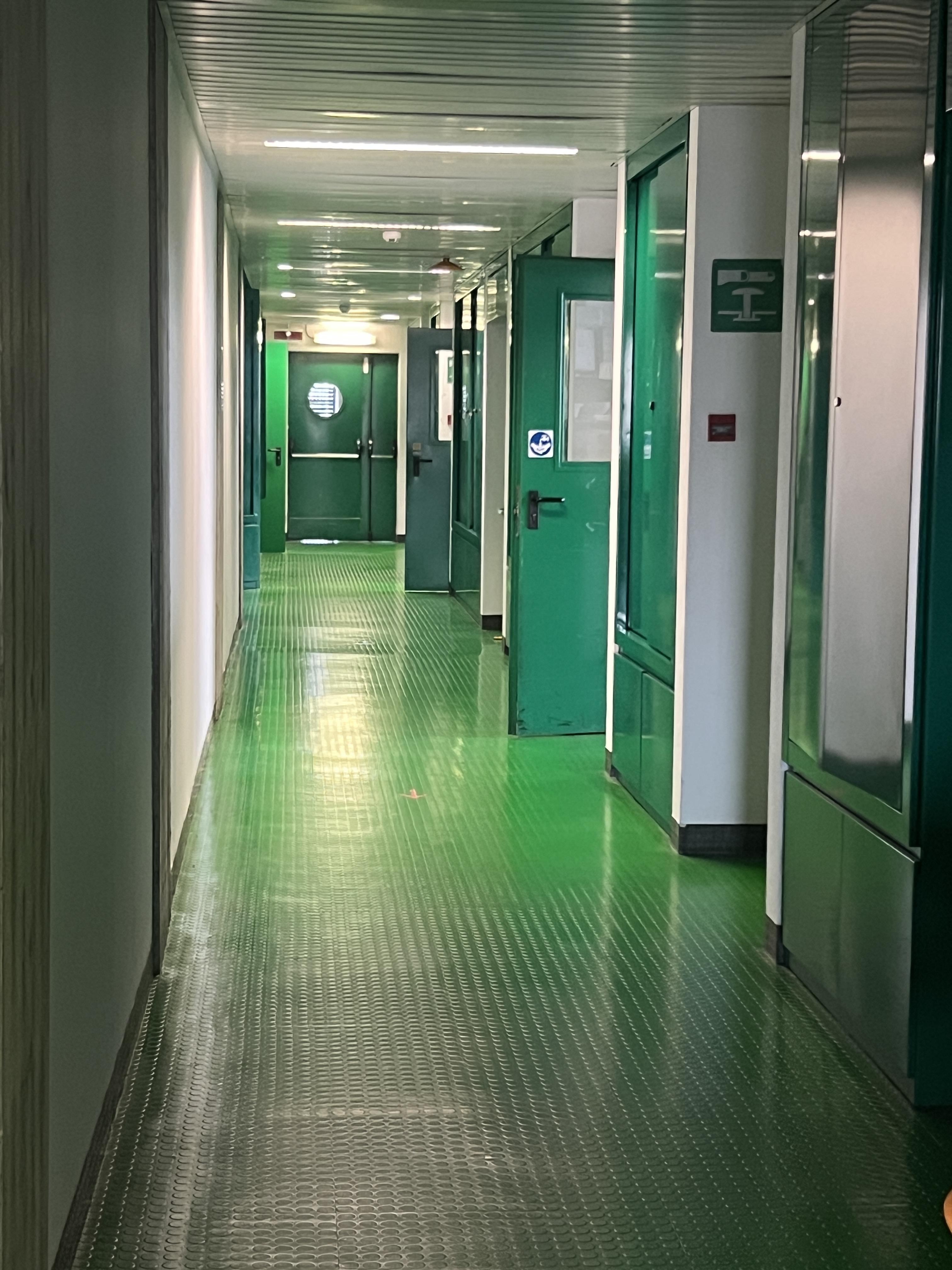
My lab actually has two main spaces, one in LITA and one in San Raffaele. I had the chance to see the lab spaces this week, which helped me get a better idea of where I’ll be working. After hearing about the research and exchanging emails about joining the group, it was nice to finally see these places in person! The labs themselves are very similar to the ones I’ve worked in back in the United States. One interesting difference I noticed was the rubber flooring instead of the tile I’m used to. Of all the differences I could have noticed, I wasn’t expecting the floor to stand out! It’s funny how small details catch your attention when you’re getting familiar with a new place.
Despite LITA and San Raffaele being newer biomedical spaces, the university actually has deep roots in medicine. In fact, the main university building used to be a hospital! Known as Ca’ Granda (slang for “the big house”), the building was established as a hospital for the city’s poor, with construction beginning in 1456. Today, its red-brick walls and arched courtyards are part of university life. When I walk through them, it’s interesting to imagine patients and hospital staff using the same spaces centuries ago. Next week, I’m going on a guided tour of this building, and I’m excited to learn more about it!
Seeing more of Ca’ Granda this week reminded me of Siena’s historic hospital, Santa Maria della Scala (Saint Mary of the Stairs). While studying abroad in Siena, I toured the hospital and learned that it welcomed pilgrims traveling along the Via Francigena, the historic route connecting Canterbury, England, with Rome.