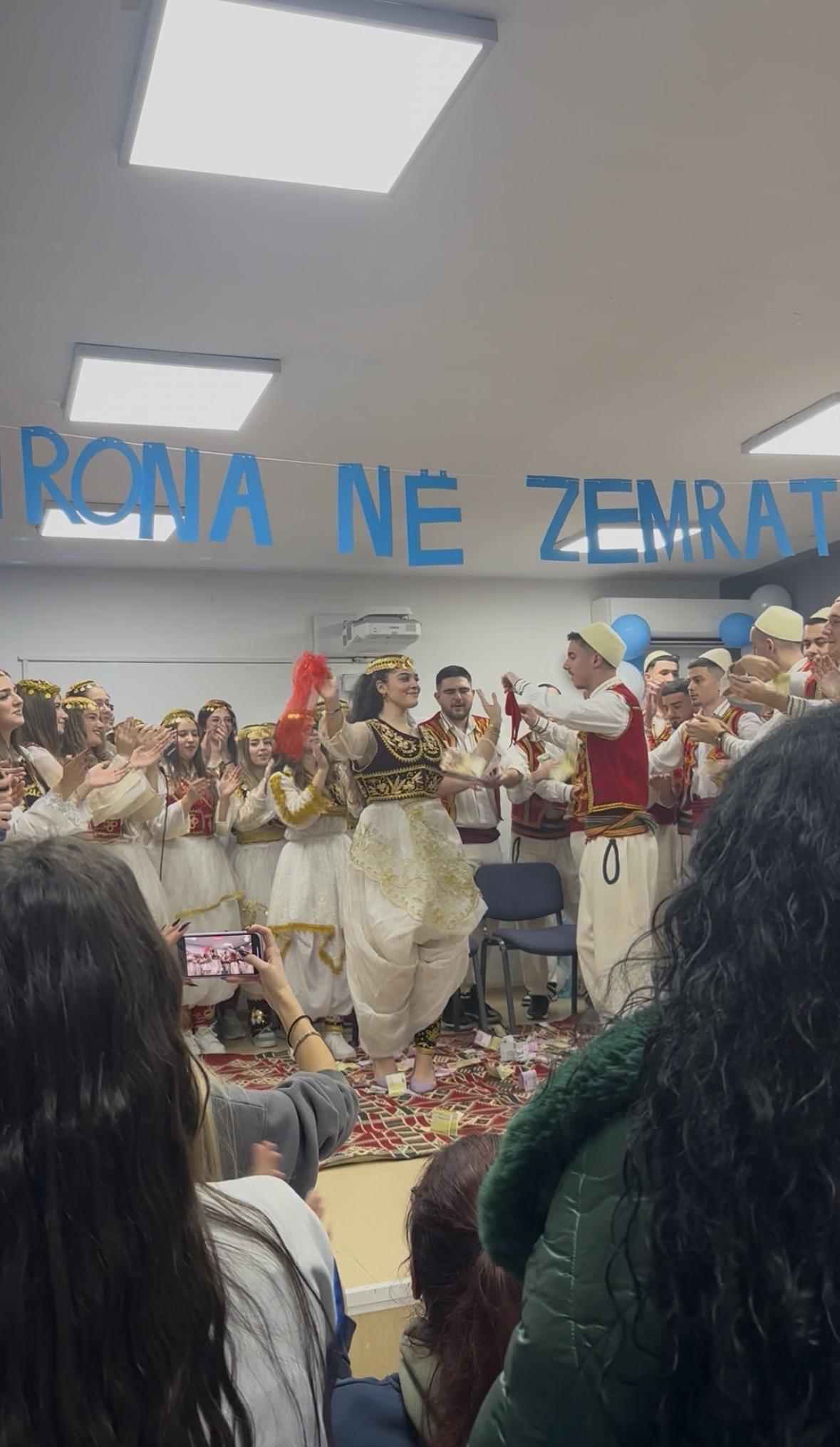
Relatives and musicians often join the groom’s procession to pick up the bride, with festive dances and gift exchanges happening between families. Brides traditionally wear a red veil that symbolizes modesty and protects them from the evil eye, and before the ceremony brides may smear honey on the doorpost of the groom’s home to bring sweetness and blessings to the marriage. Also, rice is often thrown over the bride, the Albanian replacement for confetti! This rice serves as a symbol of fertility, prosperity and good luck for the newlyweds.
The most notable wedding tradition, and one I got to participate in, is the bride and groom dance, during which family members shower the newlyweds with money. I was the one tirelessly collecting all the money since I was the youngest member of the family. Additionally, there is the Kërçovë tradition of painting the bride’s face, which is believed to ward off marital misfortune.
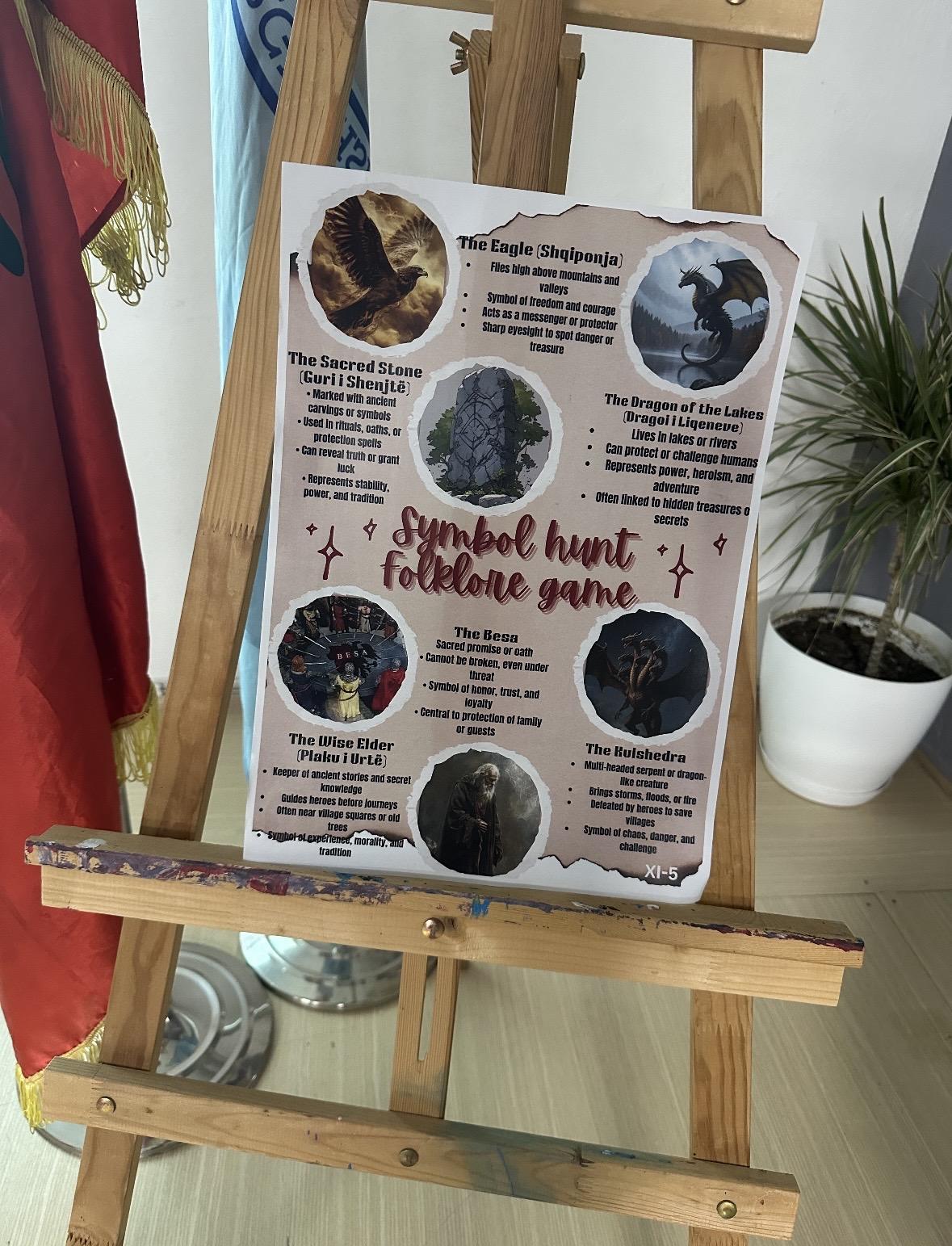
Many Albanians have names with significant meanings. For example, Besa or Besart is associated with the “golden promise,” reflecting the Albanian code of honor. It influences relationships, family loyalty and community bonds. Even today, besa remains deeply significant in Albanian life, symbolizing integrity, trustworthiness and the sacred nature of one’s word. Dritan symbolizes enlightenment or hope, Ardit means "golden day,” Elira means “free,” and Gent means “noble.” These names reflect the cultural values and aspirations that Albanians often wish to pass to their children through naming.