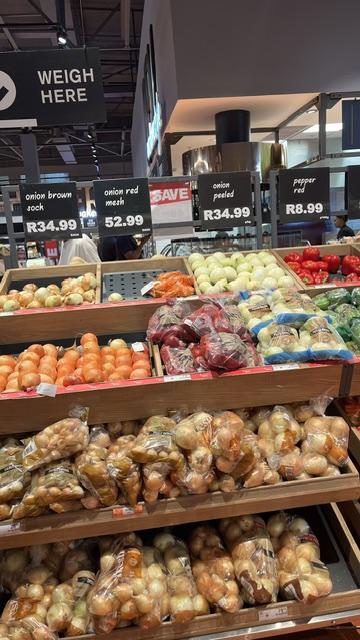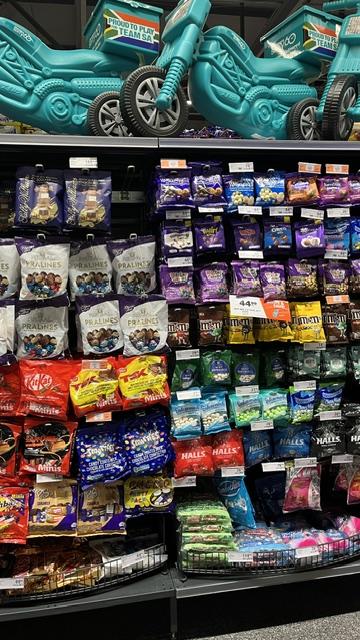
Part of this may be because products here use different ingredients and preservatives than their American counterparts, especially since many of the familiar brands I find in grocery stores are actually imported from the U.K. and other countries. I have also noticed that fresh produce tends to have a much shorter shelf life. Spinach that might last a week in my refrigerator in the U.S.A. can start going bad within two days here. It is a small adjustment to realize this fact, but one that has made me much more conscious of how and when I shop for groceries.
Food prices here have also been interesting to navigate, particularly because the cost of eating out and buying groceries can vary quite a bit. For instance, a meal at McDonald’s can cost less than $5, and even a fancy restaurant can be around $25 per person. However, my grocery expenses are surprisingly comparable to what I would spend back home. Eggs still often cost around $4, here, and a pack of grapes is often about $5. As a result, my friends and I eat out much more often than we normally would in the U.S., where cooking at home is typically the more affordable option. I have also noticed that many restaurants in Cape Town offer Halal food, reflecting the historical influence on the culture here of the Cape Malay Muslim community.
Some of the most popular grocery stores are Pick n Pay and Checkers, which are more affordable and somewhat similar to Walmart, and Woolworths, which is closer to Whole Foods. Beyond these larger chains, there are also informal neighborhood shops called “spaza shops” and street vendors selling everything from fresh produce to prepared meals, many of which are run by immigrants from other African countries.