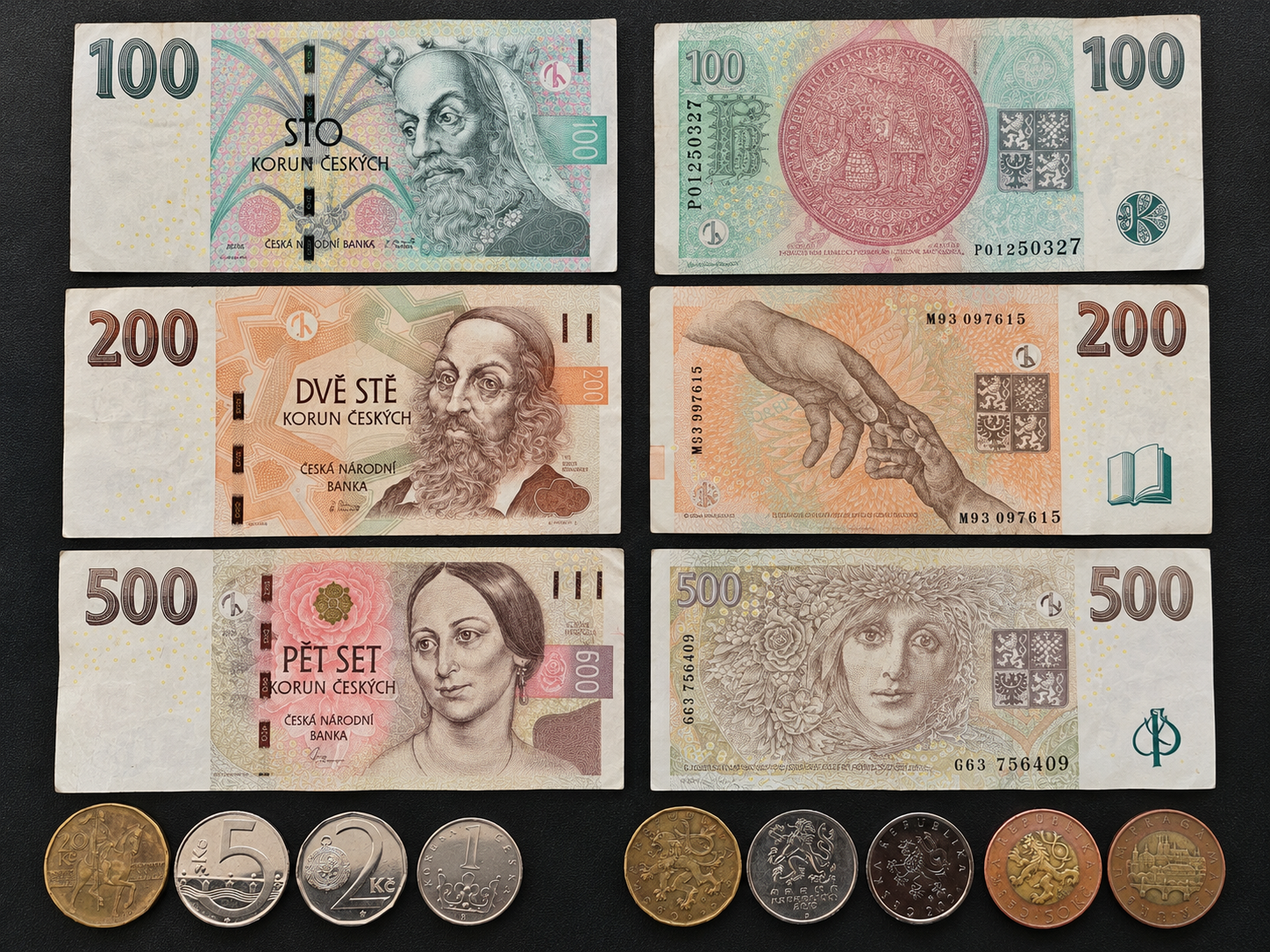
In the United States, I might see something priced at $10, but here a similar amount of money could be written as 200 or more koruna. My first instinct is to think, "Wow, that's expensive!" Then I remember the exchange rate.
To make things easier, I use a little mental shortcut: about 20 koruna equals one dollar. It's not exact, but it helps me estimate prices while shopping. When I pay by card, the exchange rate can change, so what I spend in dollars can vary. Everyday expenses are different from what I'm used to in Upstate New York, and living with another currency has made me pay closer attention to my spending. After all, I don't want to become a millionaire in koruna only to discover I'm broke in dollars!
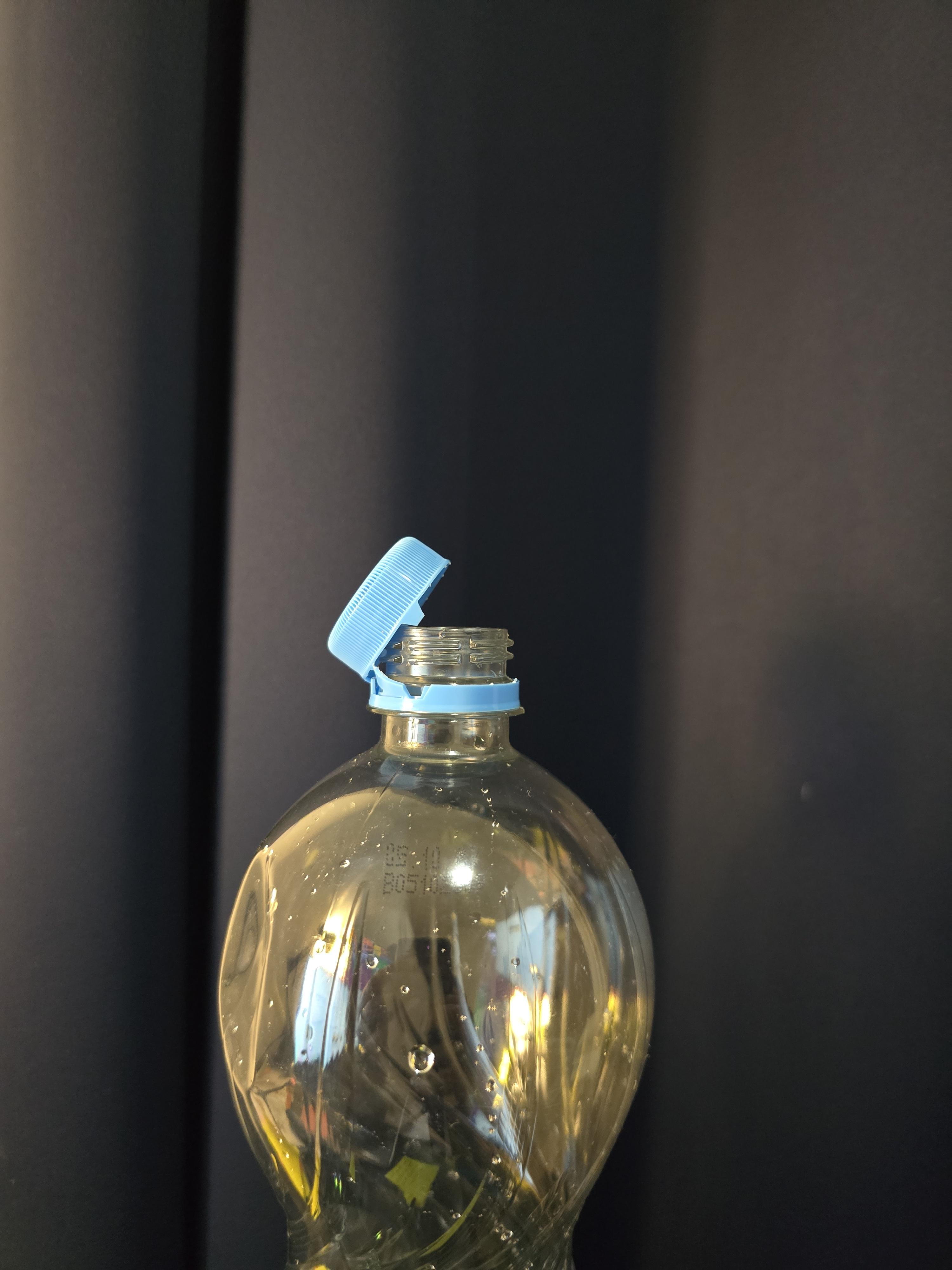
Buying a bottle of water in Prague is a little different from buying one in the United States, and not just because of the price! First, let's talk about the bottle caps. Here, plastic drink bottles have caps that stay attached to the bottle, even after you unscrew them. As someone with a rather large nose, I can tell you this gets annoying when trying to take a drink! But the idea makes sense. Keeping the cap attached makes it less likely to become a separate piece of litter.
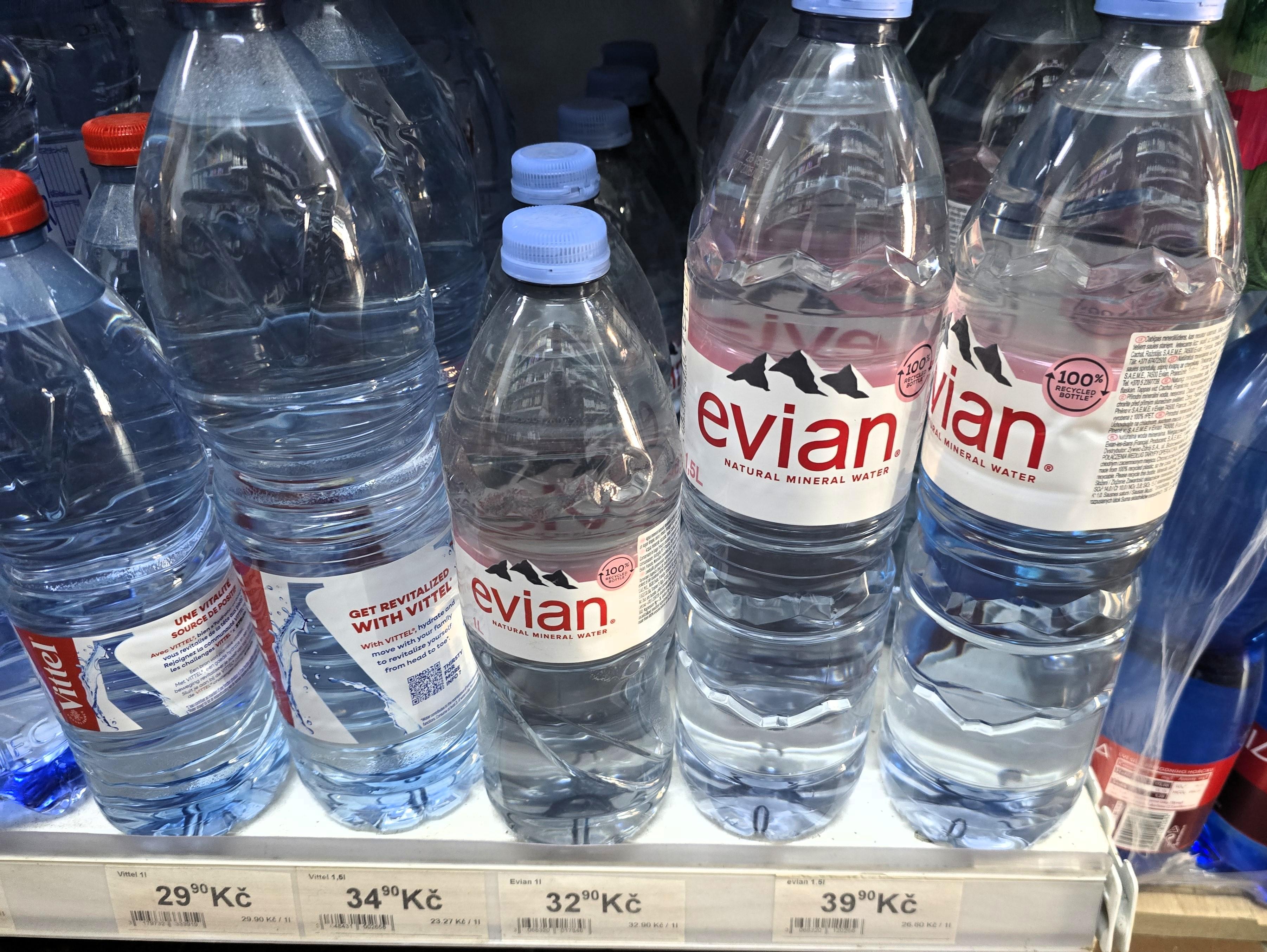
Bottled water prices vary quite a bit. I've seen bottles ranging from about 7,80 Kč to 28,00 Kč, (like a 20oz and a 2 liter) depending on their size, brand and where they're sold.
Notice something strange about those prices? Instead of writing 7.80, Europeans commonly write 7,80. They use a comma where in America we use a decimal point. And instead of writing 1,100.89, you might see 1 100,89! There's another difference. Drinks are measured in liters and milliliters instead of fluid ounces and gallons.