There are moments in life when perspective is hard to find — when it’s difficult to see where you’ve come from or where you’re going. In those moments, I make a cup of tea. It’s my way of pausing, of taking stock.
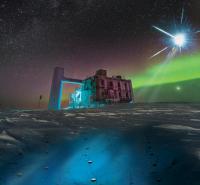
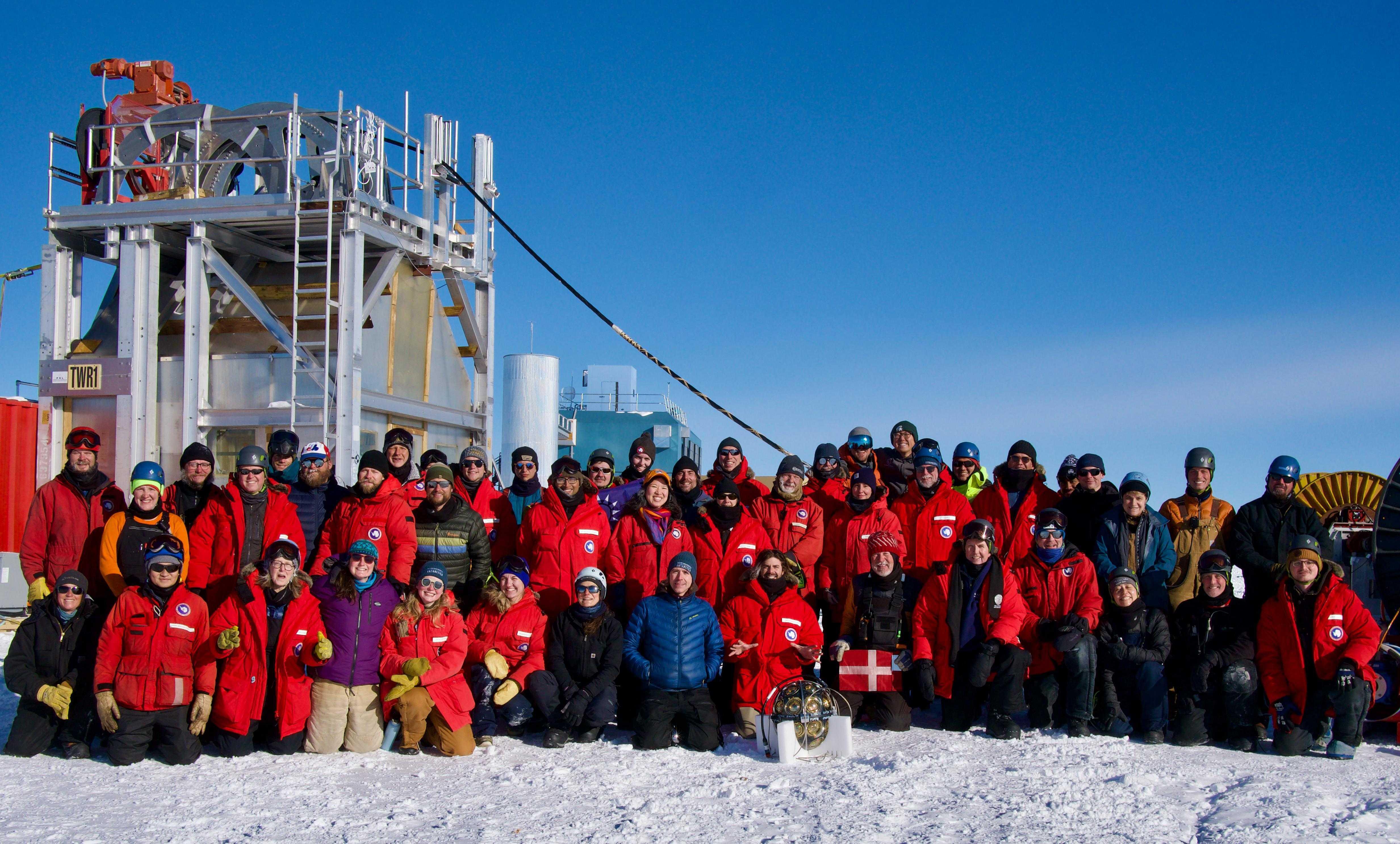
It’s February 2026, and I’ve just helped install 650 instruments 2,400 kilometers into the Antarctic ice, expanding the world’s largest (and strangest) physics experiment. We overcame challenges all season and completed a task we weren’t certain was possible when we began. It is, without question, a moment worth celebrating.
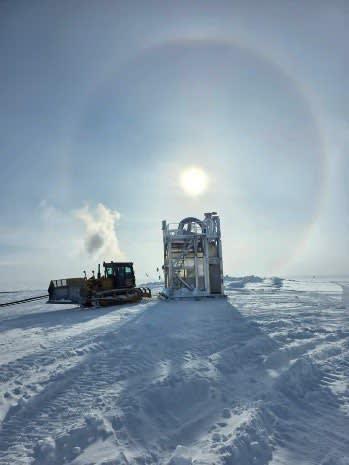
Over the past two weeks, we’ve drained water and fuel from the systems and winterized the buildings. Fleet Operations smoothed the area until there was almost no sign we were ever here. Beneath the ice, our impact remains—but on the surface of the polar plateau, everything looks untouched. It’s been bittersweet watching the buildings packed away, unsure when this gear will emerge again. A monumental project has come to a close, and now we wait, eager to see the new detectors commissioned.
As I pack up both our field equipment and my personal belongings, I find myself reflecting on how I arrived here — not just my journey to the South Pole a few months ago, but the longer path that led me to work as a safety officer with IceCube.