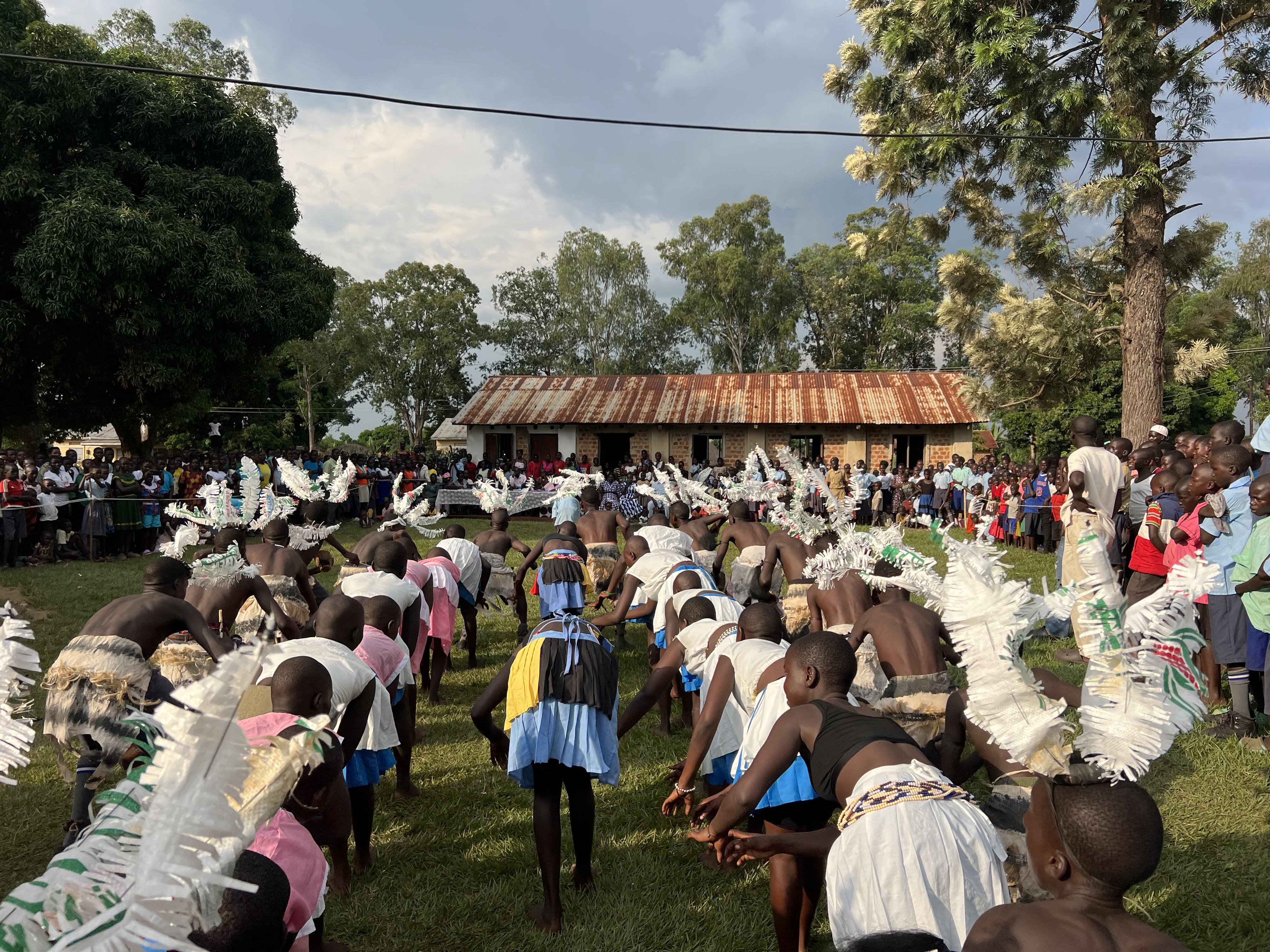
Dance becomes a language they all share, which they use to communicate at weddings, during the harvest season, during mourning periods, and even in times of hardship.
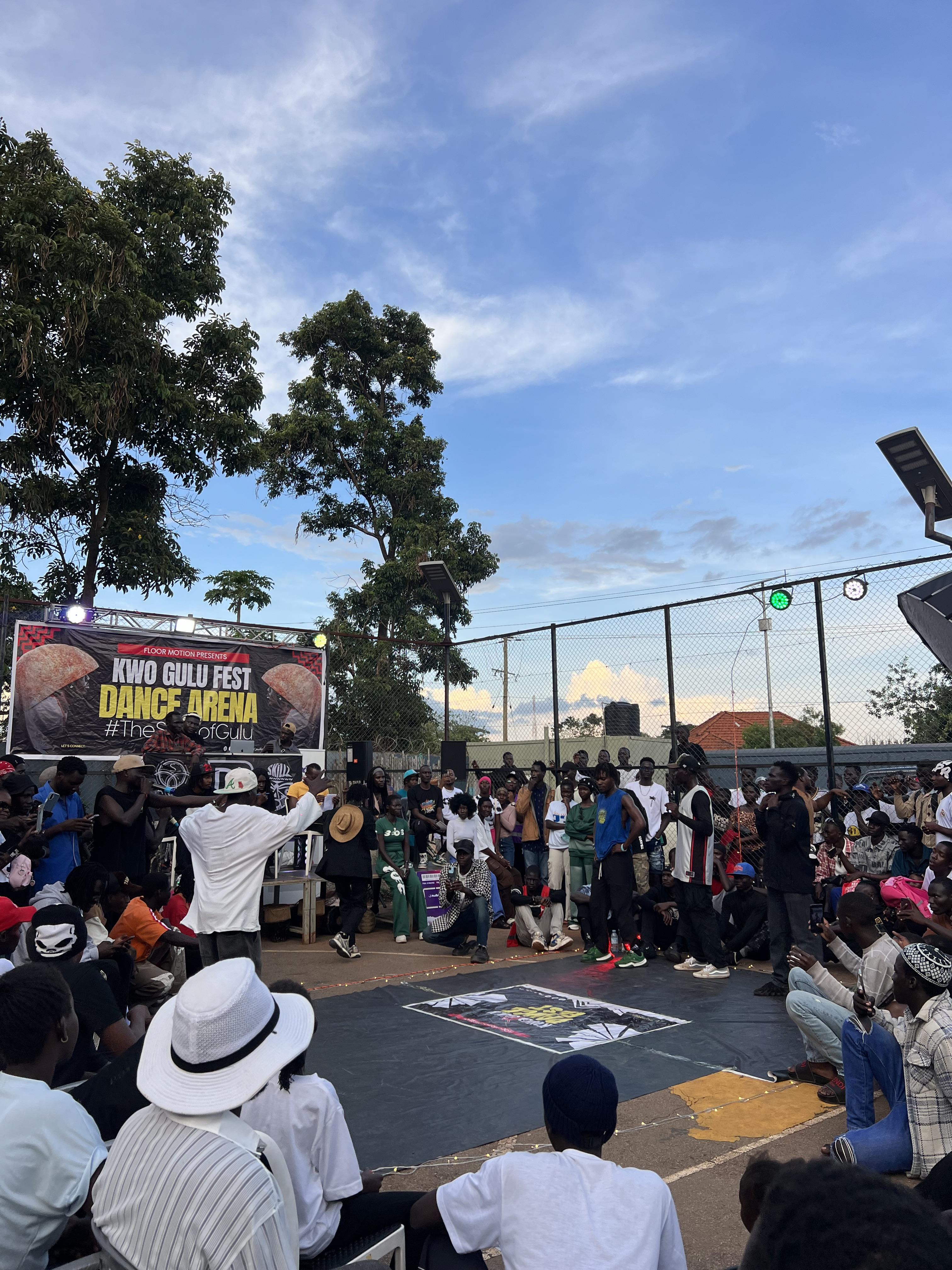
The particular region of the country I was living in experienced a rather brutal civil war which only ended about 20 years ago. Its effects are still evident, and the memories still live in the minds and lives of the people affected. Music and dance have been incredible tools used in not only the healing of the people, but also in helping preserve their culture in the midst of war. Today Gulu, Uganda is viewed as a hub for the arts, where traditional art is honored and revered, but also where new art forms are emerging like Afro dance, theater and other art media.
The environment itself may at times dictate the type of dance that is practiced. For example, in times of drought, women may perform a specific type of dance to pray for rain and honor ancestors. while in times of harvest other dances may be performed. The environment also plays a role in the types of garments and accessories used during dances. A very common Acholi dance adorns men with feathered crowns. The instruments themselves are also sourced from the environment. Calabashes (gourd rattles) are very commonly used to make music, as are drums made from dried cow skin.