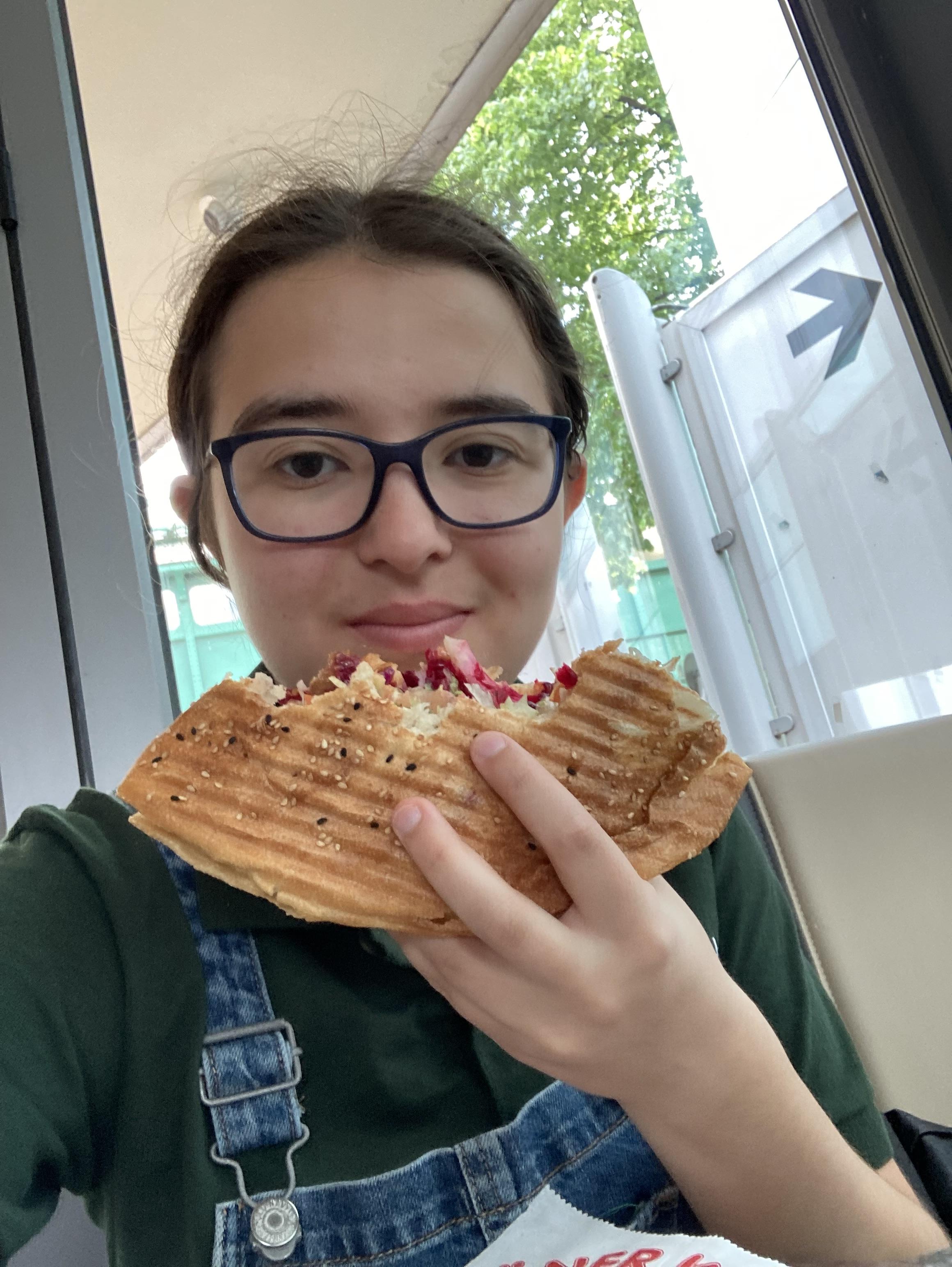
If you ever end up visiting Germany, be sure to try the classic German fast food: the döner. Although originally Turkish, it has become a popular German dish, enjoyed by people from all different backgrounds and walks of life. It is a celebration of the cultural mixing that makes modern Germany so special.
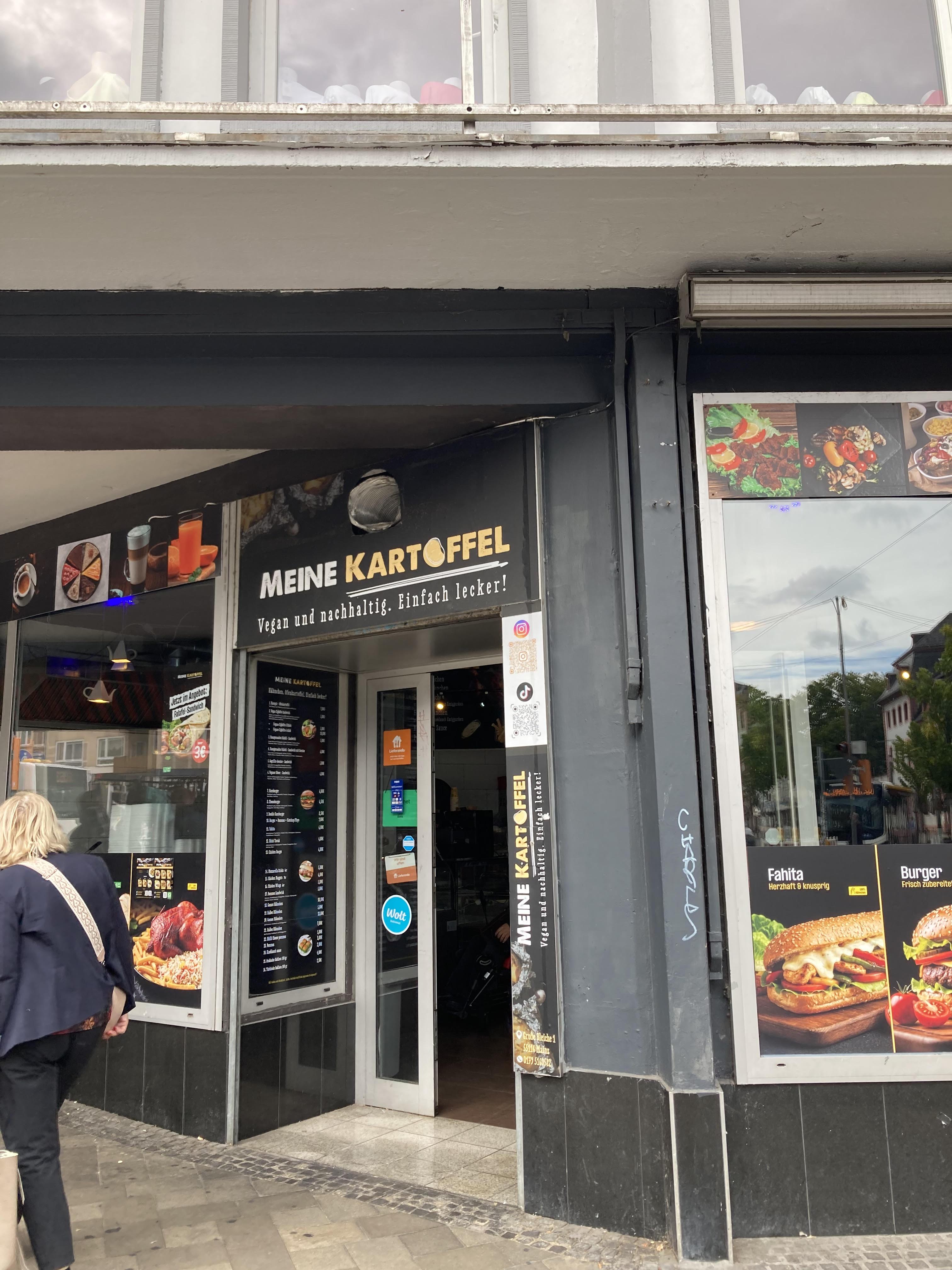
This week, I enjoyed a döner at a Turkish imbiss. An imbiss is a German word that roughly translates to snackbar, food stand, or small restaurant where most people get orders to go. An imbiss has a very homey feel. Usually, there are pictures on the walls, a small seating area (sometimes outside), too, and you can watch the cooks prepare the food. They're usually very affordable, and the owner will usually chat with you while preparing your order.
Although döners are originally from Turkey, they have become a German staple and have been adapted significantly from their traditional Turkish form. The story begins in the early 1970s in Berlin. In the 1950s, West Germany began a program to bring Southern European guest workers to fill worker shortages in Germany's booming industry. Workers came from Italy, Spain, Greece, the Balkans, and the largest group came from Turkey.