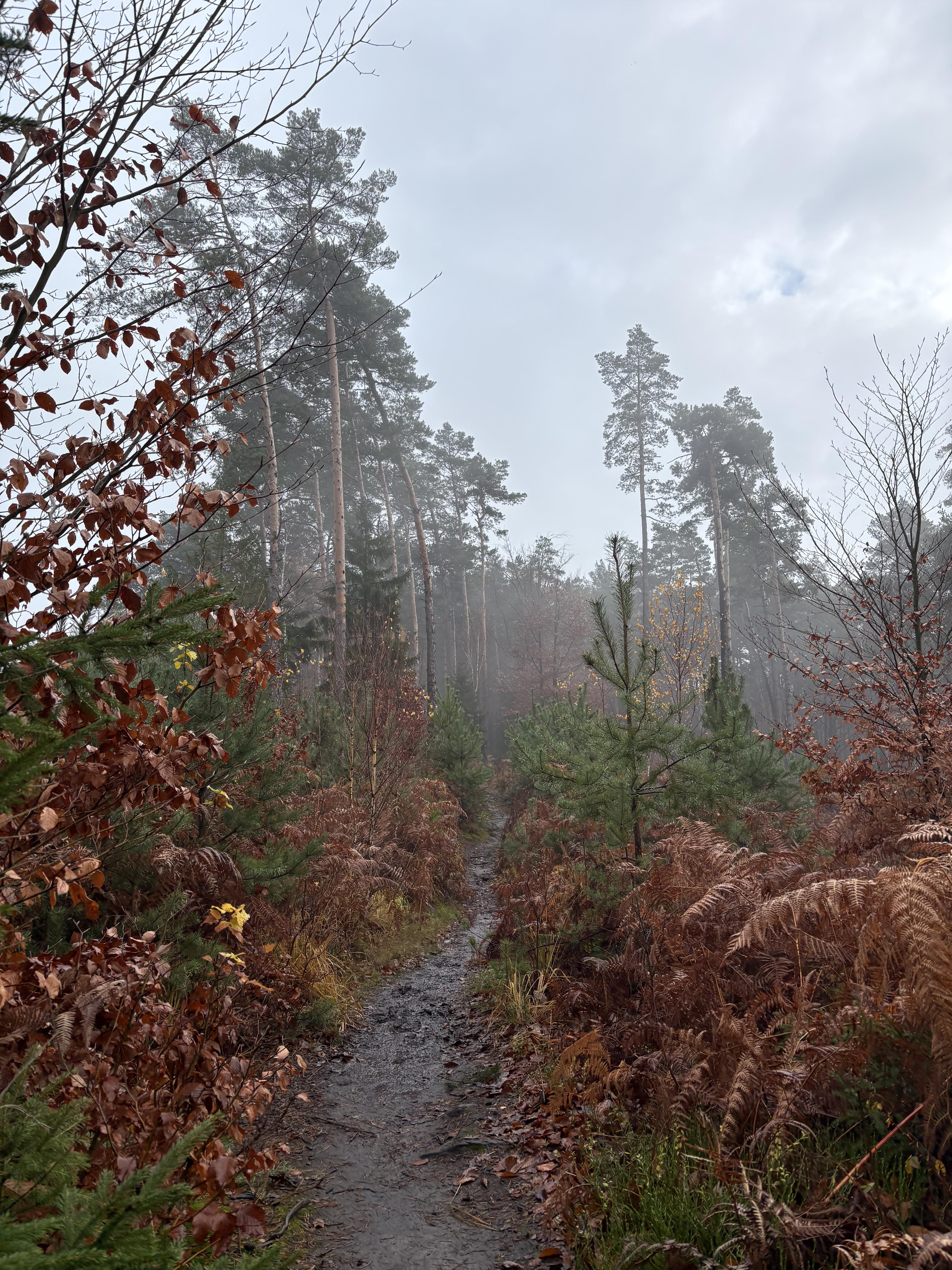
Fertile valleys in the lowlands allow people to grow crops like wheat, barley, apples and vegetables, while forests supply wood for construction and heating. Also, the tall mountains that surround the Czech Republic help to block storms and create a calmer climate compared to some other parts of Europe.
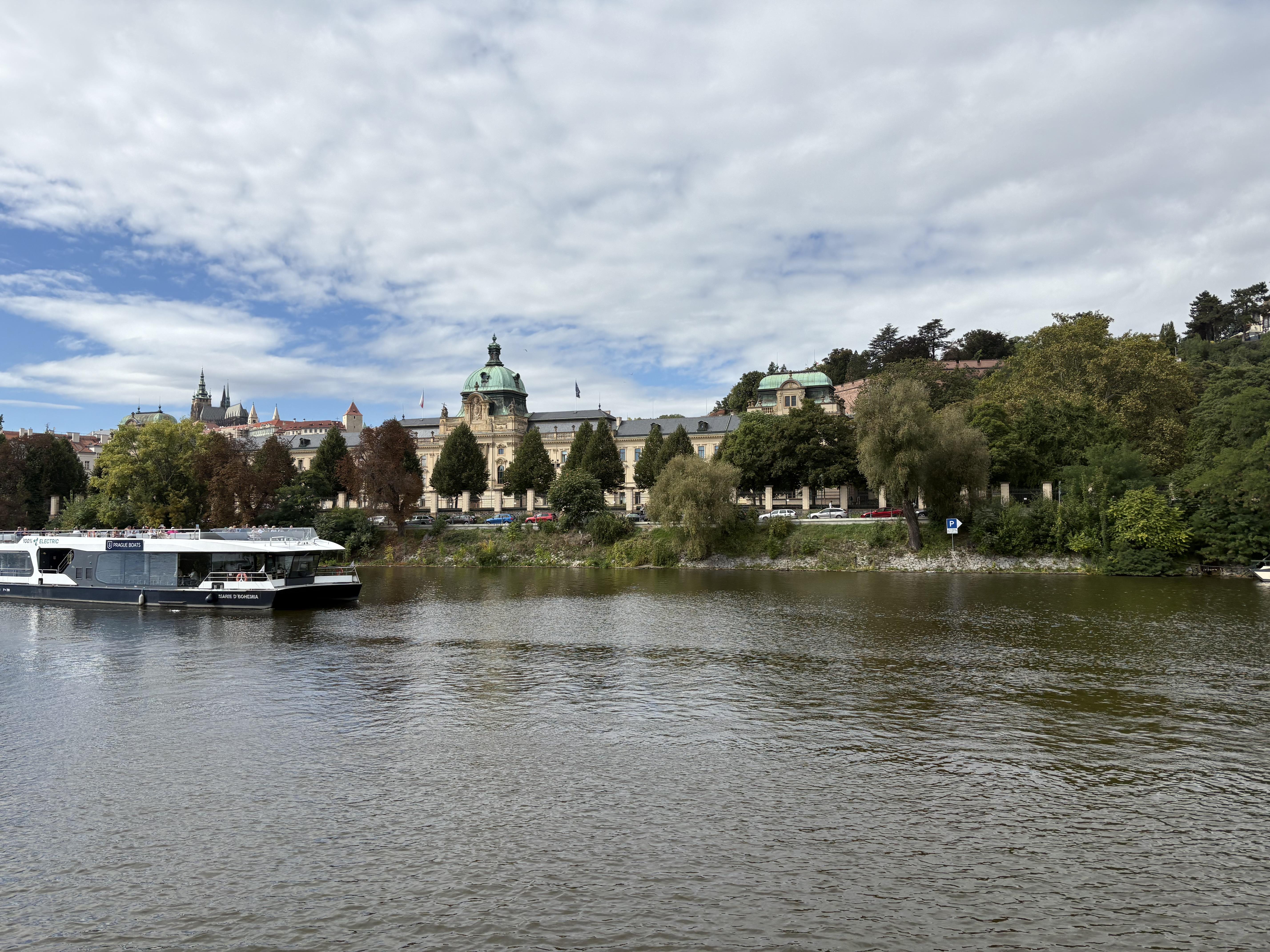
The Vlatva River has caused major floods, most notably in 2002 when heavy rains caused the river to overflow, devastating half of the Czech Republic. Additionally, in Prague specifically, hills can make building roads and homes more difficult and require careful city planning.
Since 2002, flood barriers and stronger river walls have been constructed to protect Prague from high water. Other ways that the Czechs have adapted to their specific and unique environment include: creating an extensive tram/bus/metro system (the second most efficient in Europe) to help people travel easily through the hilly city and the reinforcement of historic sites (the Charles Bridge, for example). Terraced farming was also introduced in some areas of Prague. This is an agricultural technique specific to hilly, mountainous areas, involving flat, stepped platforms.