Seeing these disparities has shown me that ending legal segregation does not erase its lasting social and economic consequences, including the inequalities redlining continues to foster in the United States.
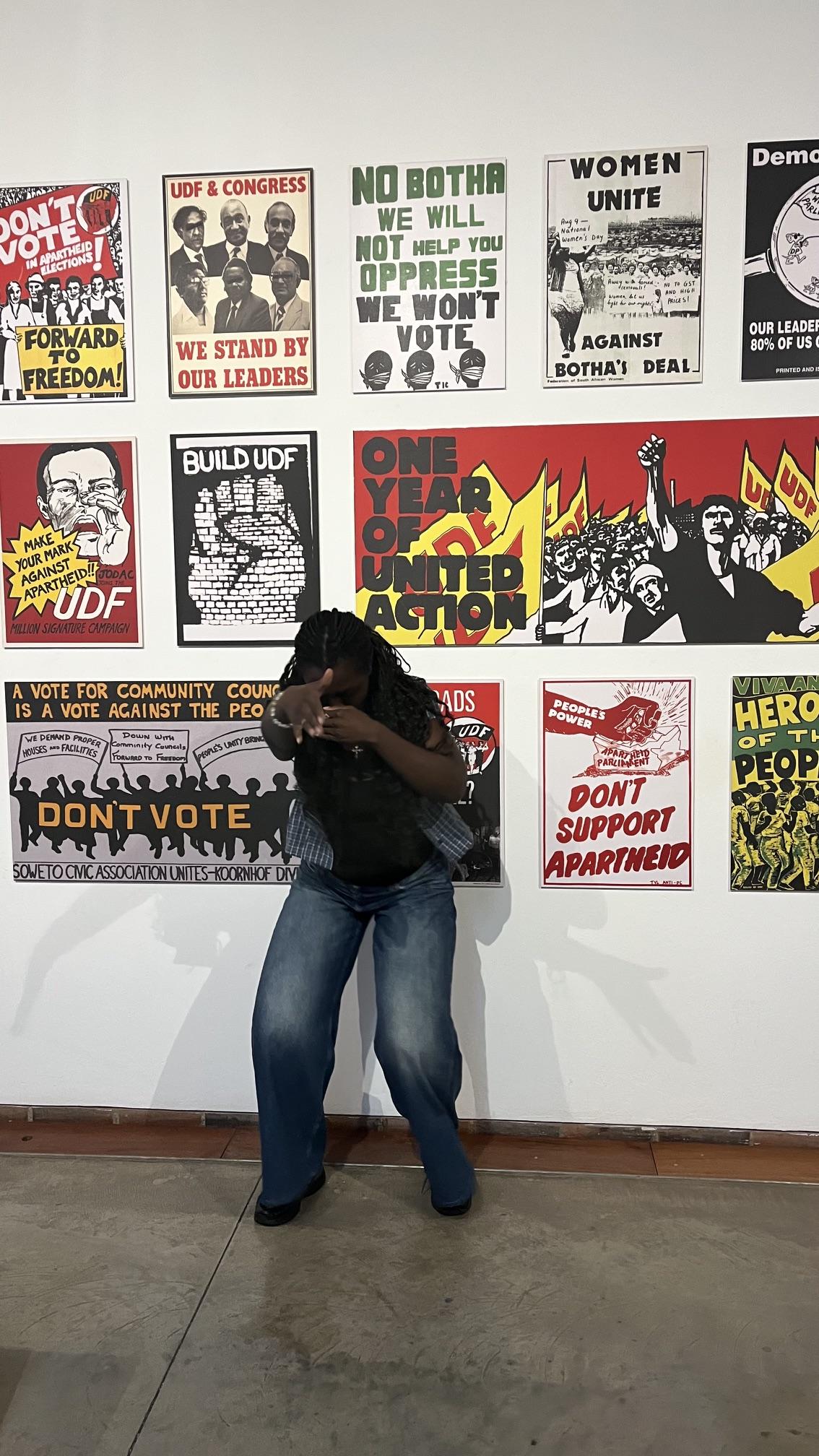
South African resistance movements also remind me of African American leaders such as Martin Luther King Jr., Malcolm X, and W. E. B. Du Bois, who challenged racial oppression in their own historical contexts. Nelson Mandela helped lead the fight against apartheid and spear-headed South Africa’s transition to democracy. Robert Sobukwe founded the Pan Africanist Congress in 1959 and opposed pass laws restricting Black South Africans’ movement, while Steve Biko’s Black Consciousness Movement encouraged Black South Africans to embrace their identity and reject internalized racism. Despite their different approaches, these leaders shared a commitment to racial equality and Black freedom.
Overall, studying South Africa has deepened my understanding of the diverse experiences that shape Black identity and the importance of embracing these differences. Although racial inequality and anti-immigrant sentiment toward other Africans persist in South Africa today, these challenges reinforce the importance of striving for the unity and equality envisioned by the founders of the Rainbow Nation.