Lastly, Salento's soil has lots of nutrients thanks to four nearby volvanoes, Santa Isabel, Nevado del Ruiz, Nevado del Tolima, and Nevado del Quindío. These volcanoes enrich the soil, which provides organic material for the coffee plants to flourish.
When I sipped that espresso down, I was in heaven! The warm, silky, acidic liquid slid down my throat and I felt like it was giving me energy right away. I could taste hints of citrus fruits, sweeter fruits and other flavors that I could not recognize. This was no Starbucks or Dunkin Donuts! Oh no, this was unique! I immediately asked for another cup.
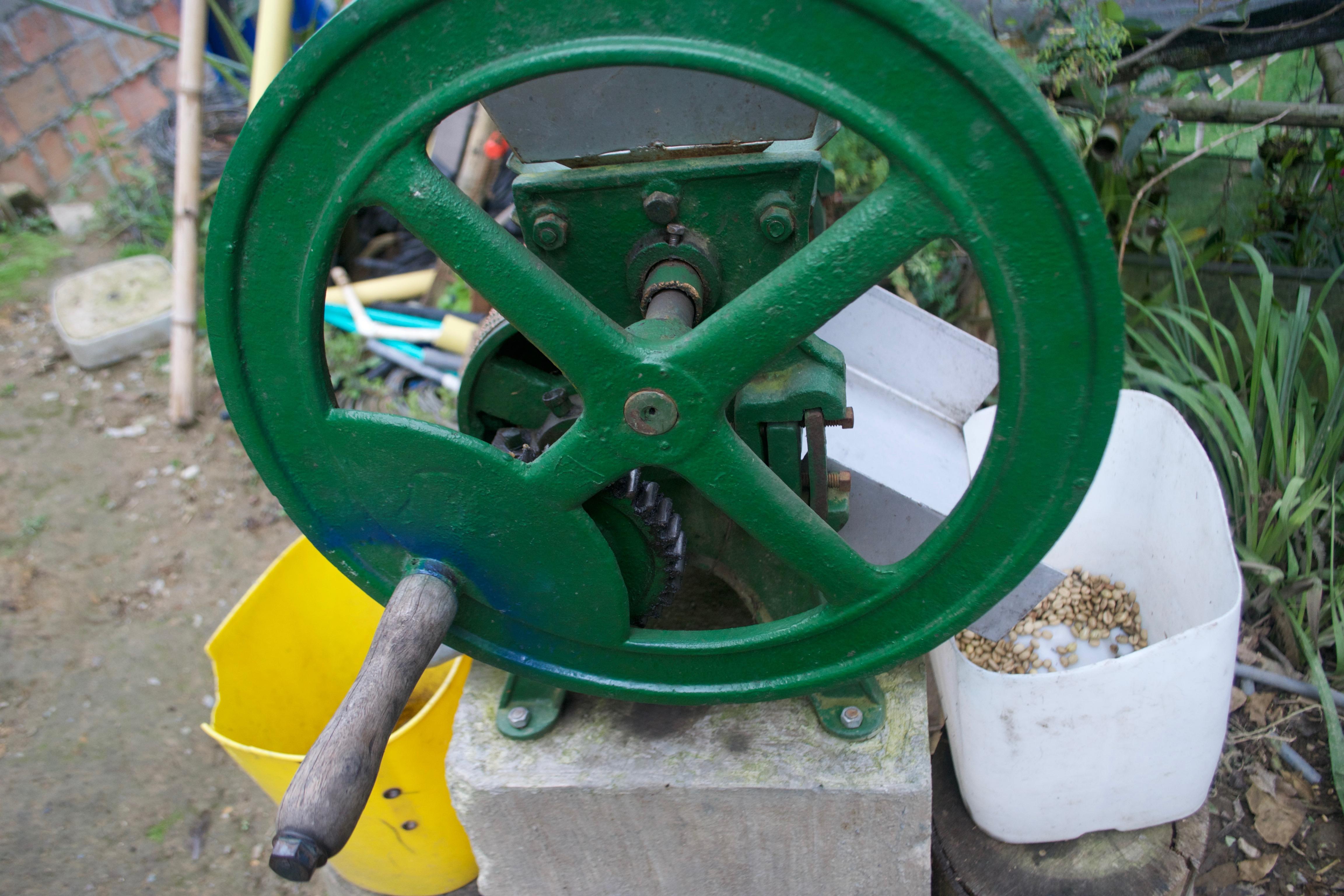
The coffee production process is a long one. First, you have to pick the ripe, red, cherry-like coffee beans off the bushes. Usually recolectores, or cofee pickers, travel around the coffee region and complete this job. Next, the coffee bean is put in a machine with a wheel that separates the bean from the skin. The beans look like peanuts! After that, the beans are fermented and wet-processed with fruit surrounding the bean. Then, the beans are left out in the open to dry. Once they're dried, they are sorted by shape and size, and later roasted at a different facility. Lastly, they're ground to a specific grain size depending on the kind of coffee you want to have!
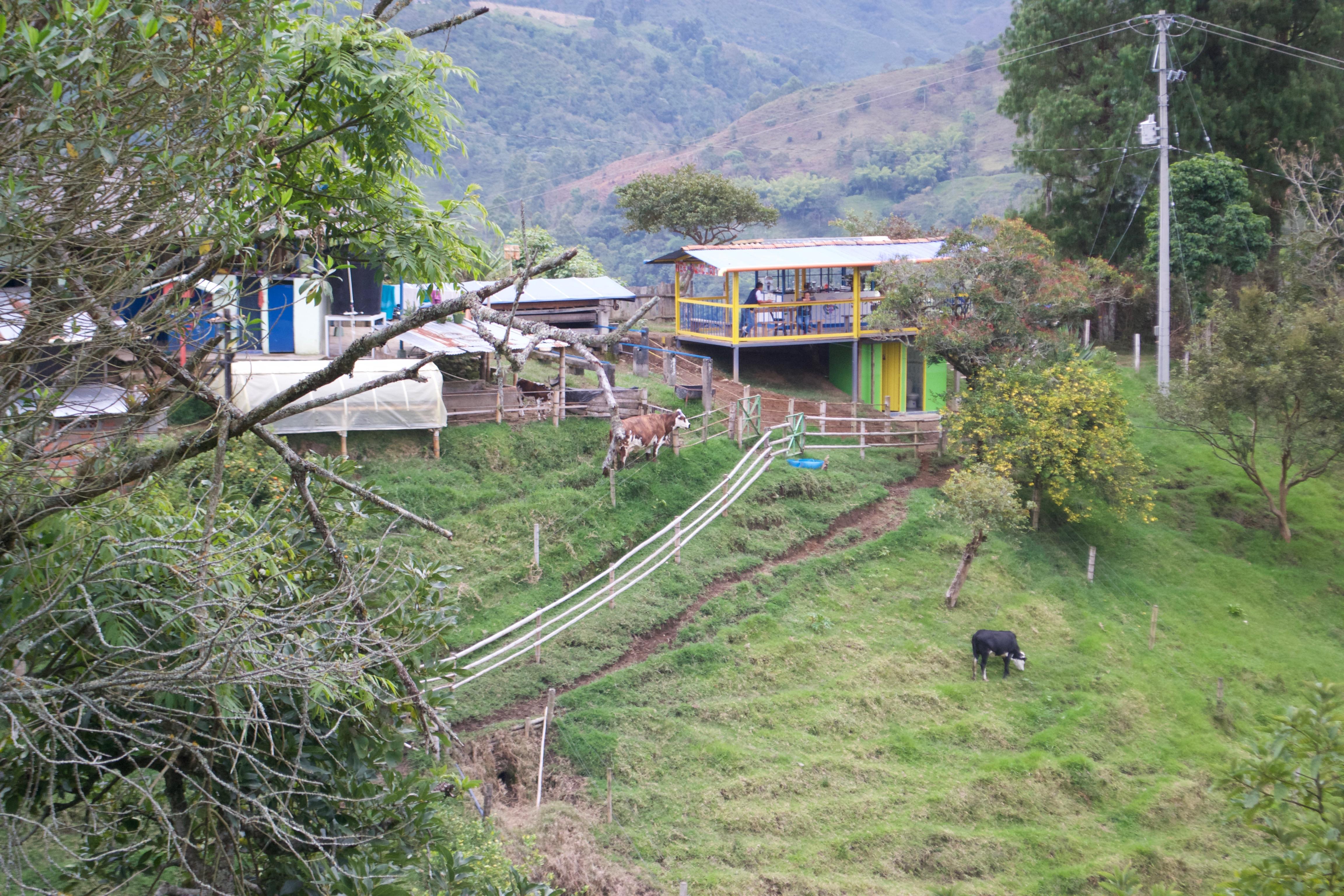
Coffee is a fundamental part of Colombian agriculture and human culture! What other fruits do you notice that it grows along side of? Fruit that's natural to Colombia: Banana, citrus fruits (like lemon and lime), and avocados!