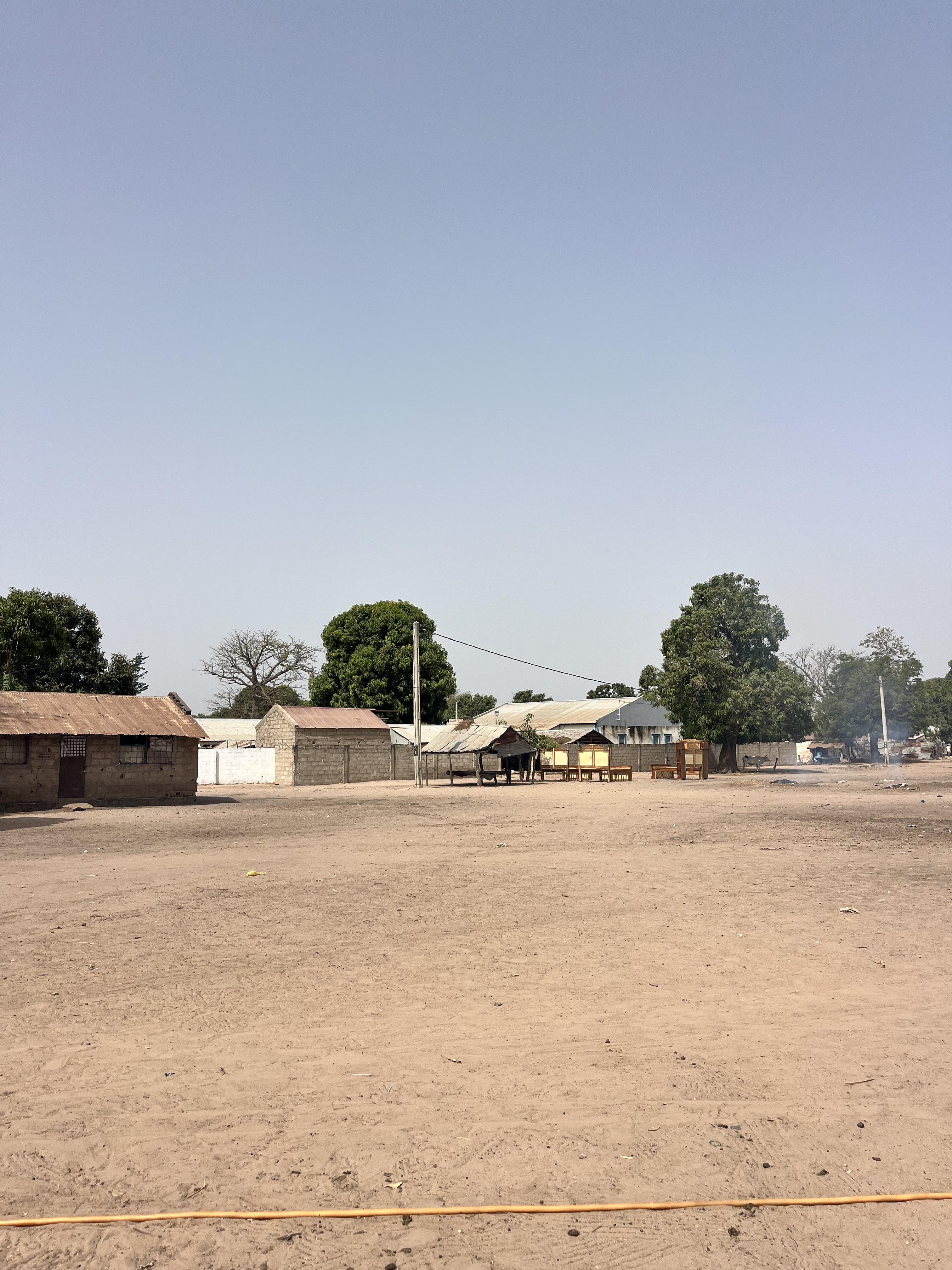
My community, and many rural communities in The Gambia, have this need for improved environmental sanitation because waste management and hygiene practices are not as developed as they are in places like the United States. For example, when I am in America, I see many accessible public trash cans. Once a week, the trash is collected from my house by a garbage truck. Some people recycle their plastics or even compost their food waste. However, my community in The Gambia does not have these resources as readily available. Trash is usually piled outside, often in an empty space behind the compound, and every few weeks, it is burned. Not only is piling garbage in the open a health concern, but burning trash is also very unsafe for our lungs and the environment. Additionally, children often play outside in the compound, so it can be dangerous if they are playing near the piled trash. Fetching water is also a daily task that almost everyone does. When the communal water pumps are not kept clean, this can result in unsafe drinking water and increase the potential for diseases to spread.
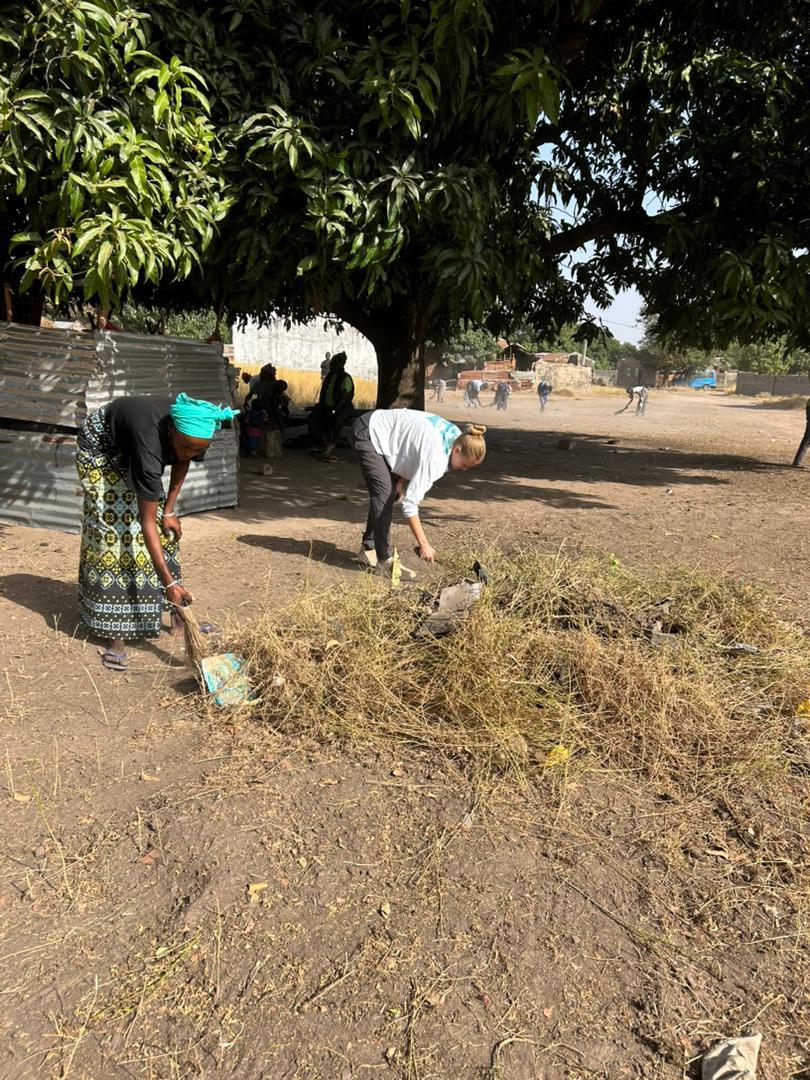
This need has become one of the top priorities in the community. In collaboration with health workers and the Water Committee, we have organized and conducted monthly community cleanups. Everyone in the village is notified of the cleanup and participates in tidying their own compound as well as common spaces used throughout the village. Although a waste management system like the one we have in the United States is not yet possible here, we also try to move the collected trash farther away from the community before burning it.