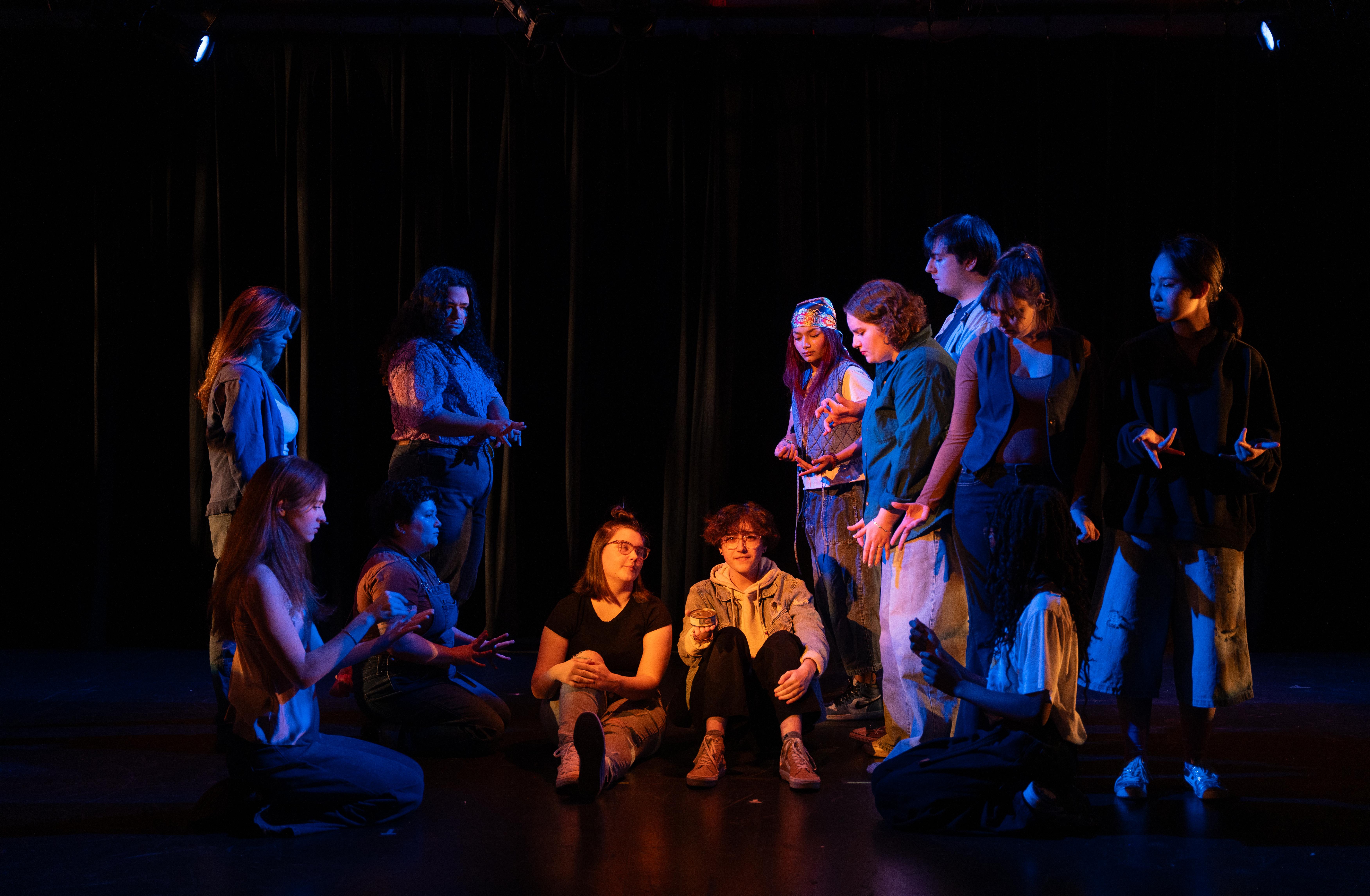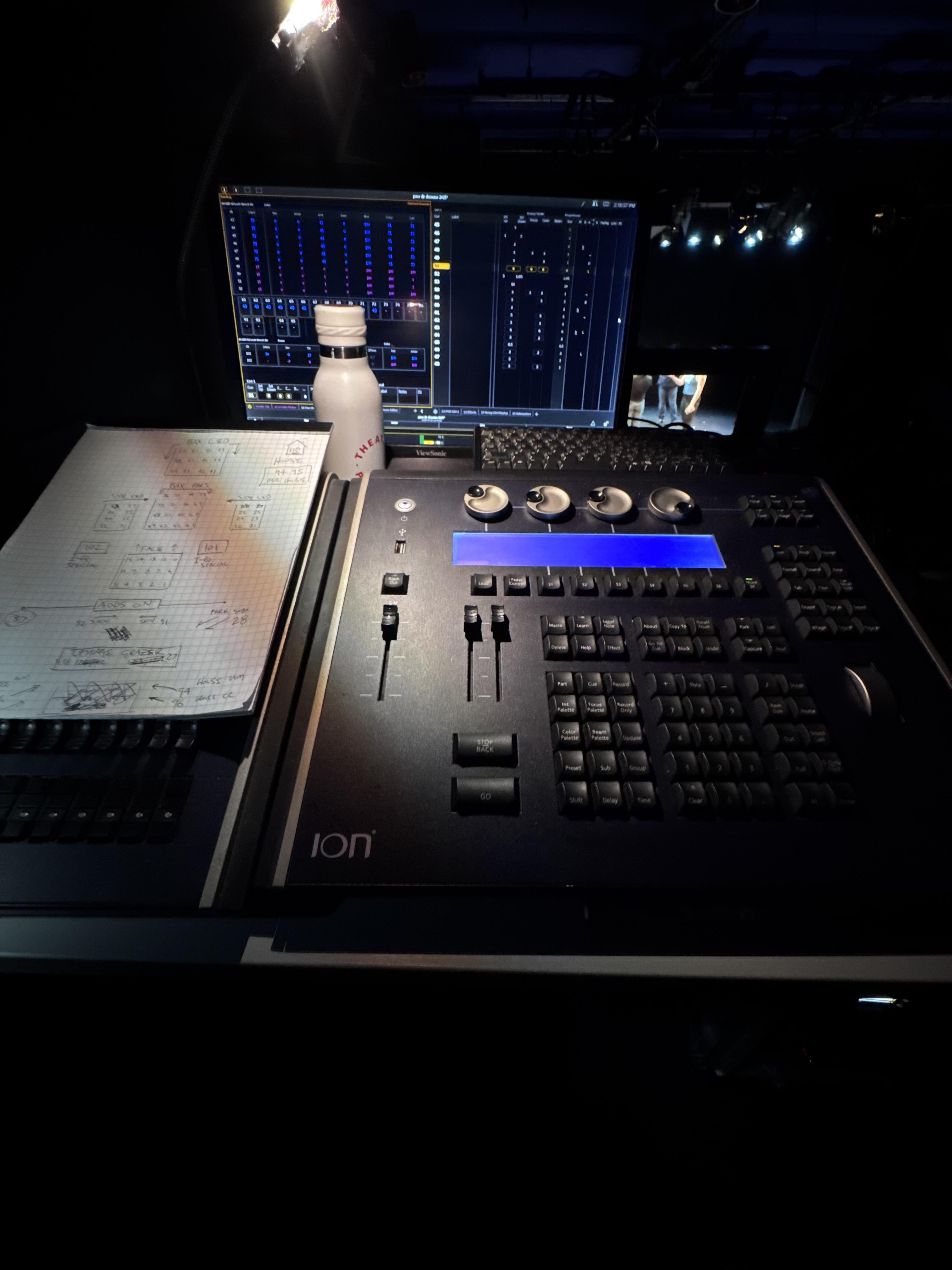
The director interacts with everyone, and has meetings with everyone working on the production. As a director, you need to have problem-solving skills because it isn't always easy to make your dream show come true. For example I want to direct Peter Pan really badly, but humans can't fly! So I have to think of a creative way to make a human appear to fly on stage. Directors have to stay open-mindee and keep the cast and crew on-task during rehearsals, too, which can be difficult. But at the end, the director will hopefully have an amazing show. The actors and director work with a stage manager, who is responsible for communicating between the cast and the crew; The stage manager is the main communicator when it comes to what changes from rehearsal to rehearsal. For example, if the director has the actors drink tea on top of a table, then the stage manager will communicate that plan to the props master and then get a table and tea cups for the actors to use for that scene. Next, we have the crew. There are too many different titles under the heading of “crew” that I will name a couple, and then you guys can add on other titles if I forget anyone. So...crew members, include: scenic designer, scenic crew lead, lighting designer, scenographer, tech director, prop designer, prop master, costume designer, costume crew lead, sound designer, board operator, assistant stage manager, house manager, production manager, publicity manager and publicity designer. These people are all so important to the production because they allow the director's vision to come to life, and this then allows the audience to experience the life of the show. Without all of these people, productions would move much more slowly, and it would be so much harder for everyone's jobs.