Mongolia is a very ancient country that has what is called a high context culture. What is a high context culture, you might ask? Well, it is basically a culture that takes a lot of time and effort to fully understand, because a lot of their communication is indirect and nonverbal (not using words).
This is shown through Mongolia’s many different traditions, including how you greet people, clothing, religion, traditional houses, values, and holidays. Today, I will discuss both Naadam (a summer holiday) and Tsagaan Sar (a winter holiday) to explain a bit more about what traditions are important to Mongolians and why.
Two traditions that are very important to Mongolians are Tsagaan Sar and Naadam. Both of these traditions are very important to Mongolian culture, but for very different reasons.
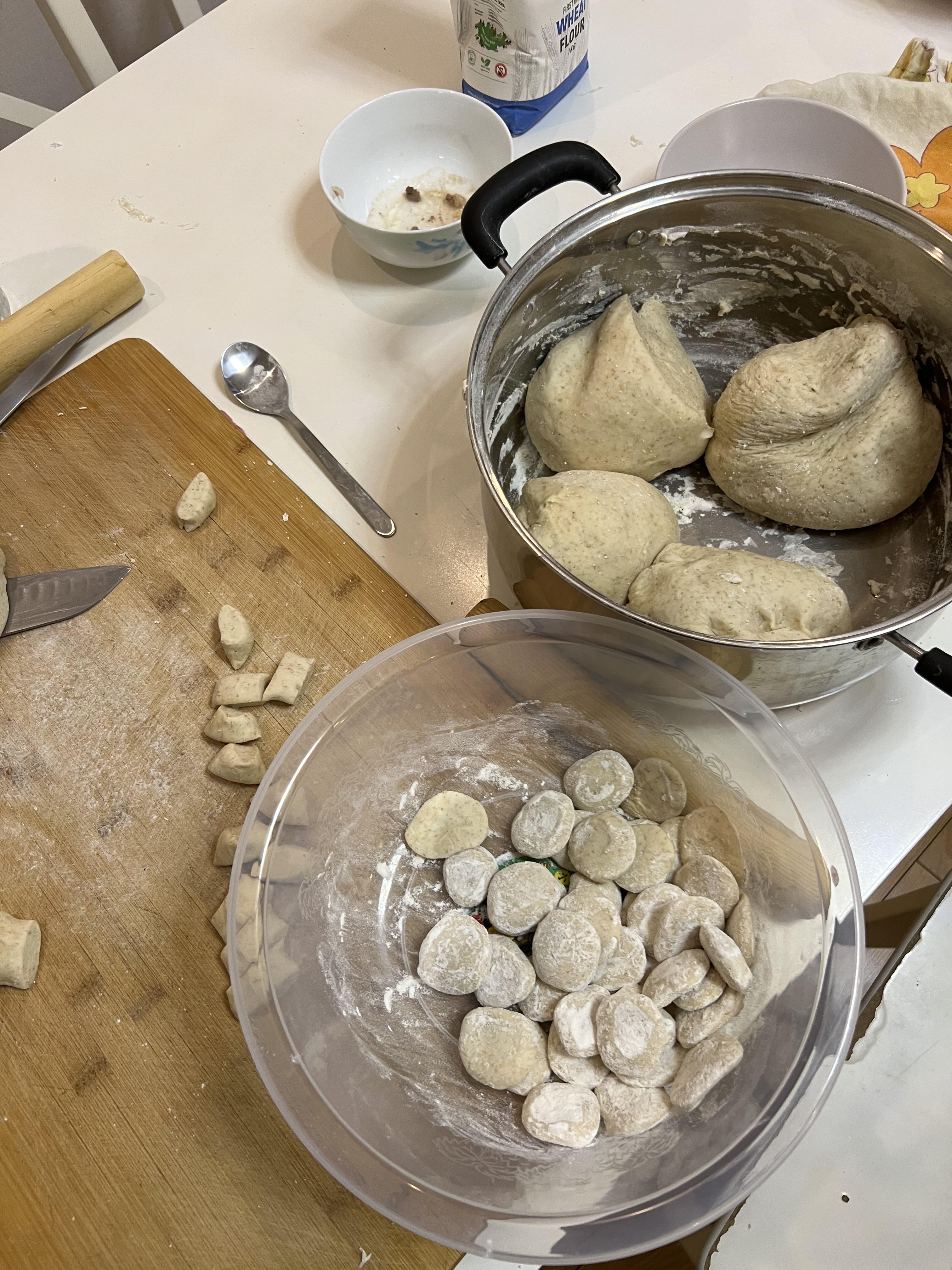
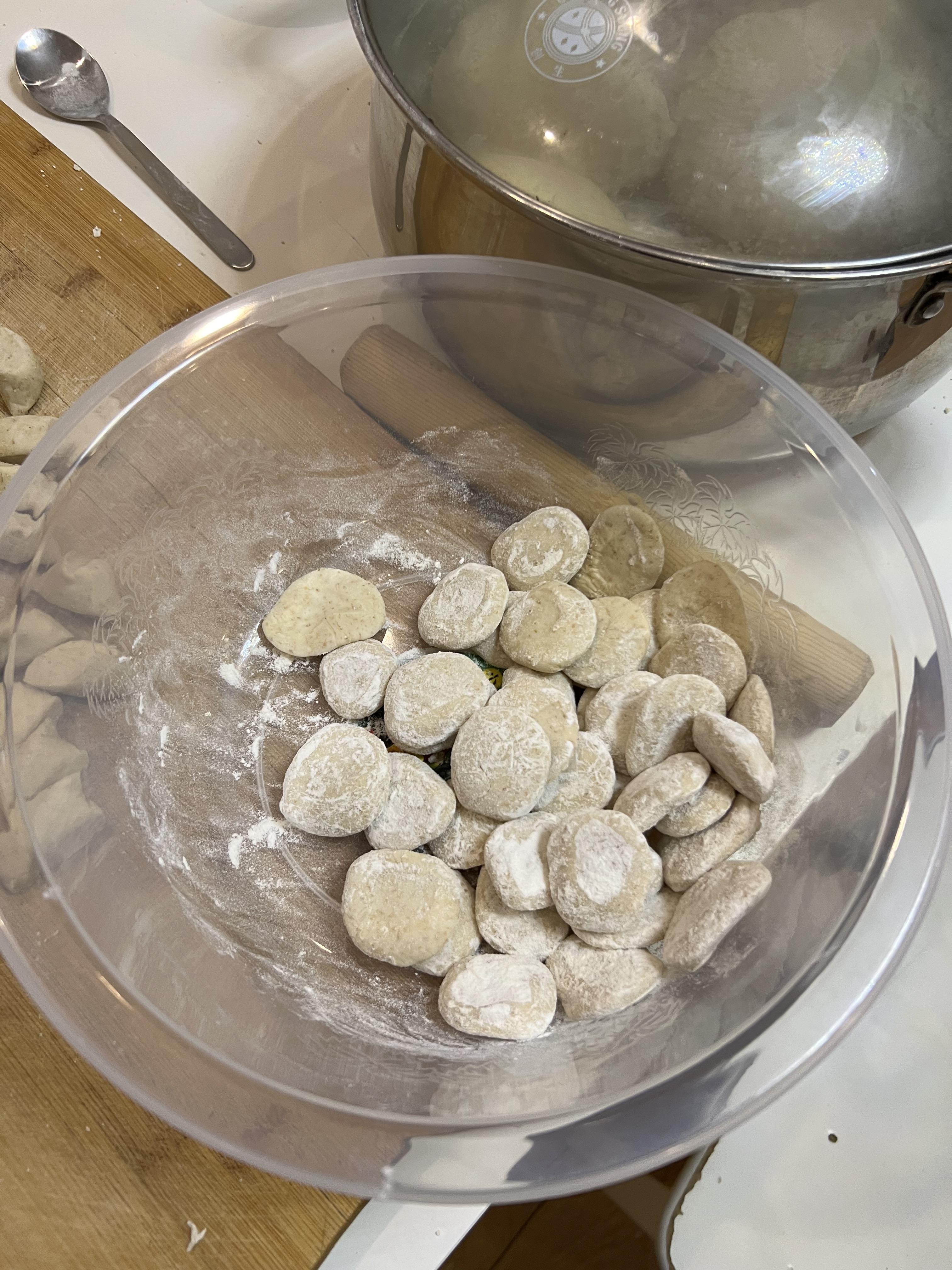
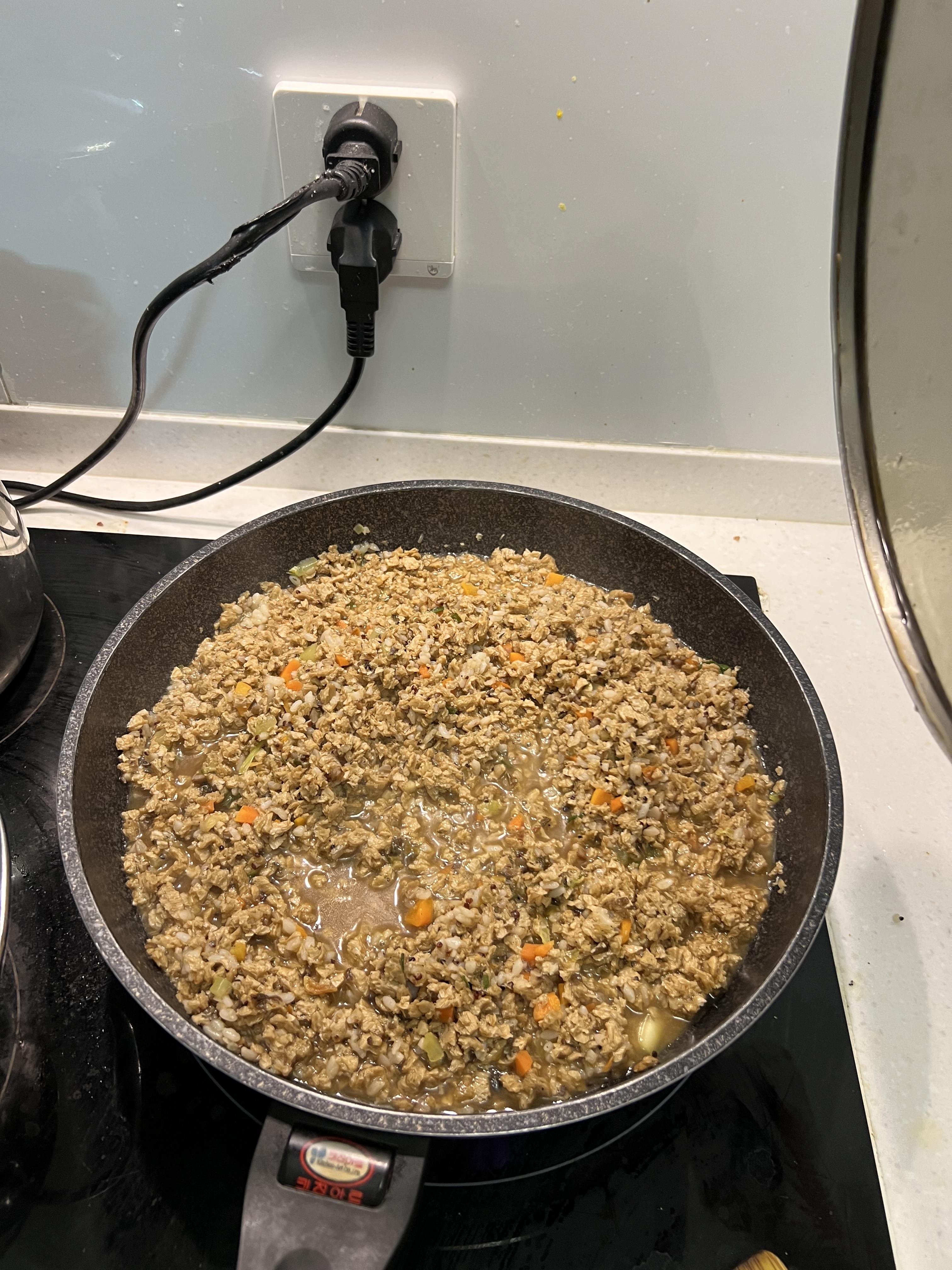
Tsagaan Sar is the Mongolian version of Lunar New Year. For this tradition, each year before the Lunar New Year begins, Mongolian families typically make anywhere from 800 to 6000 buuz (large Mongolian meat dumplings).