The heat during the summer is another challenge, with the sun beating down and causing temperatures to remain, on average, in the high 80s and 90s. This, paired with the humidity, can mean it is a very difficult environment to live in. During the winter, the heat is less of a problem, but the pollution build-up causes its own set of challenges. Pollution is pushed over to the island from China by monsoon winds and then accumulates in the cities that sit among the mountains, particularly in places with little rain or wind. The pollution often reaches unsafe levels during the Taiwanese winter, making it dangerous for many groups to do physical activities outside.
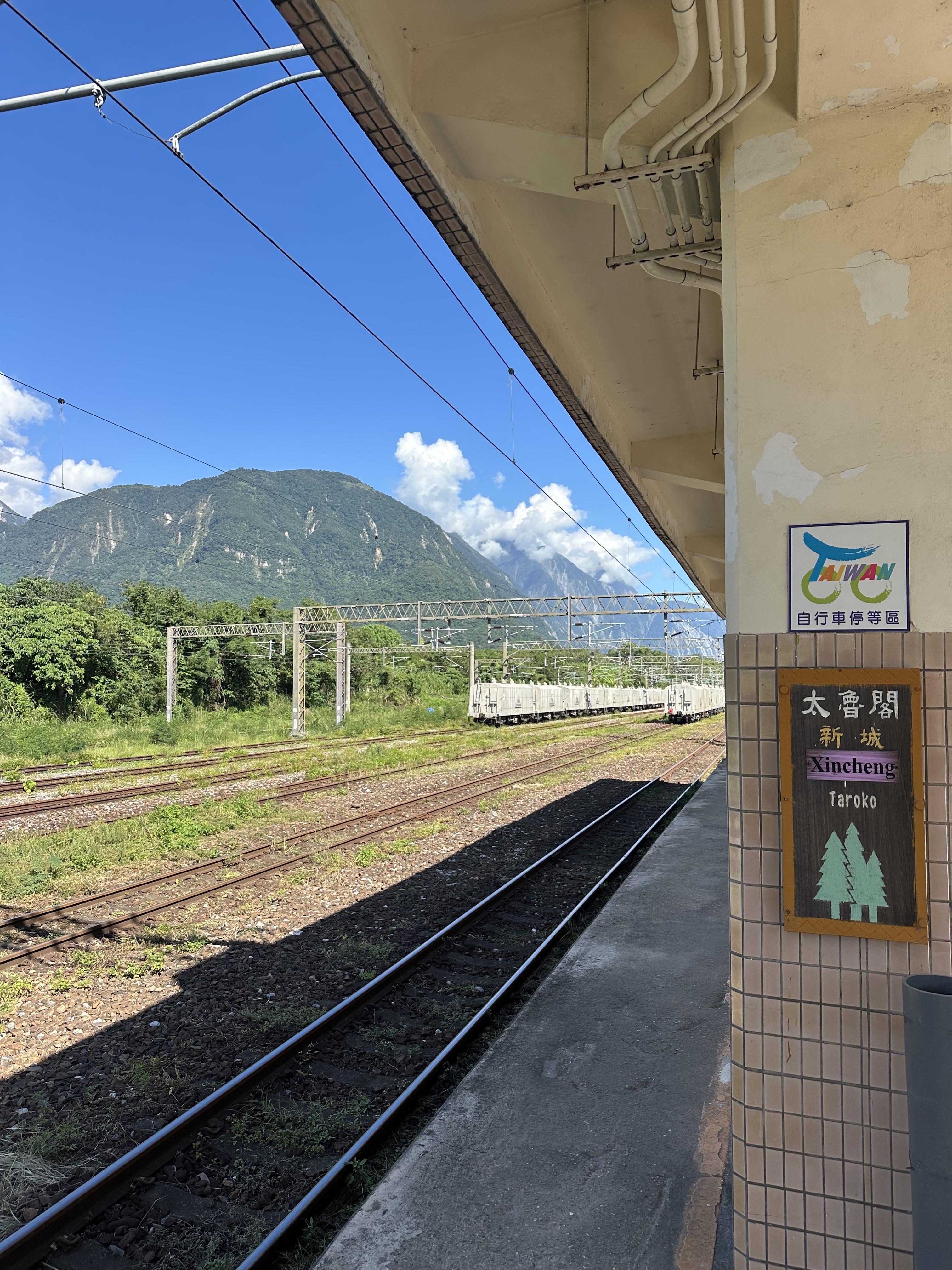
Taiwan’s infrastructure is specifically designed to resist strong winds and flooding. Taiwanese houses look different from American homes and are made of sturdier materials that are less likely to be blown away in a typhoon or be destroyed by an earthquake. Taiwan's government is also strategic about where it builds, with the concentration of its population centers and cities being located on the West Coast of the island that is protected by Taiwan’s central mountain range. The West Coast is also where Taiwan’s High-Speed Rail (HSR) train is located. The HSR runs along the entire West Coast and can take someone from the northernmost point of the tracks to the southernmost stop in around two hours! On the East Coast, smaller local train systems are used to transport people, but there is no HSR there due to the frequency of disasters which occur in that region. Outside of infrastructure, people also dress to accommodate varying weather patterns.