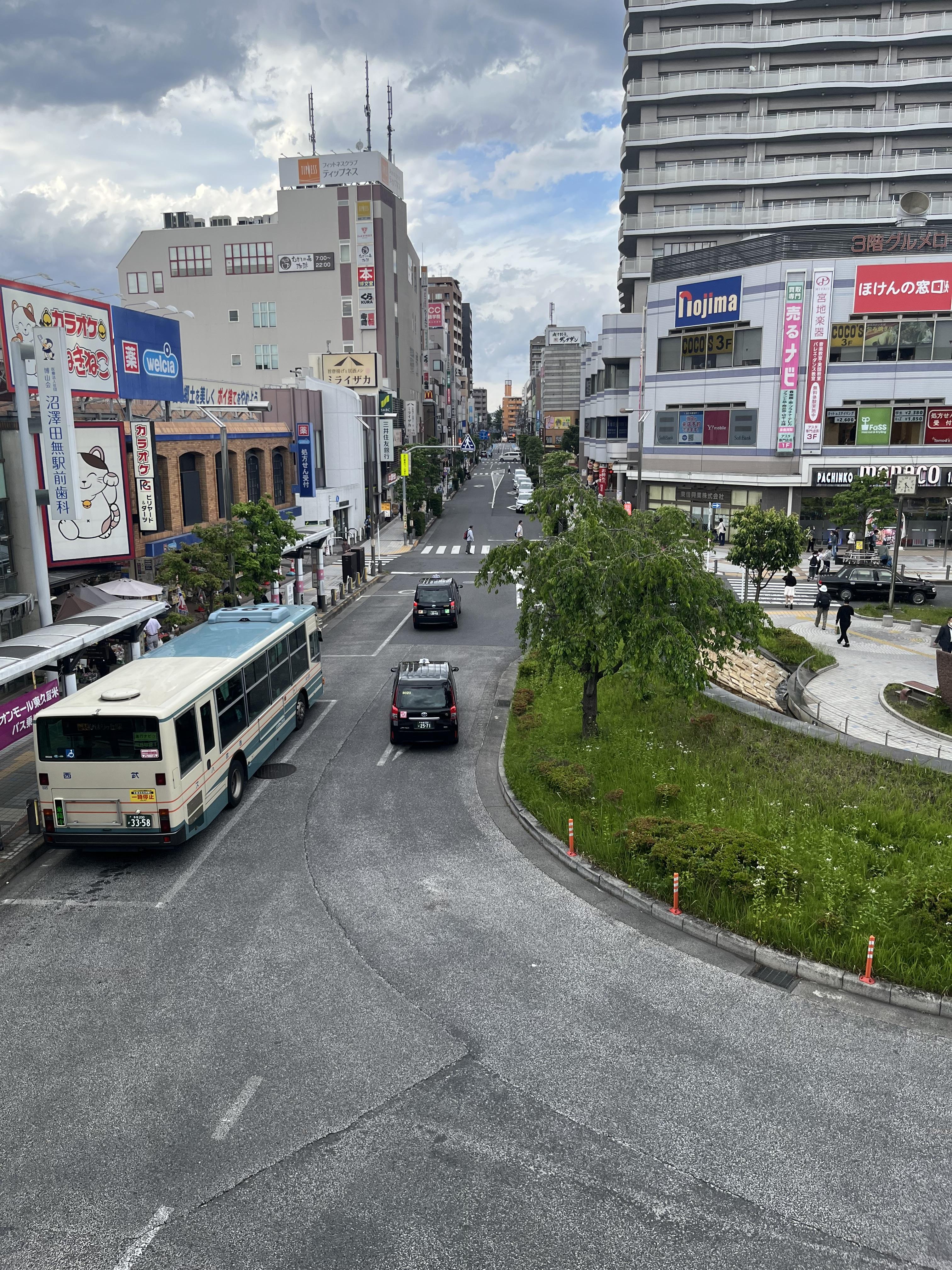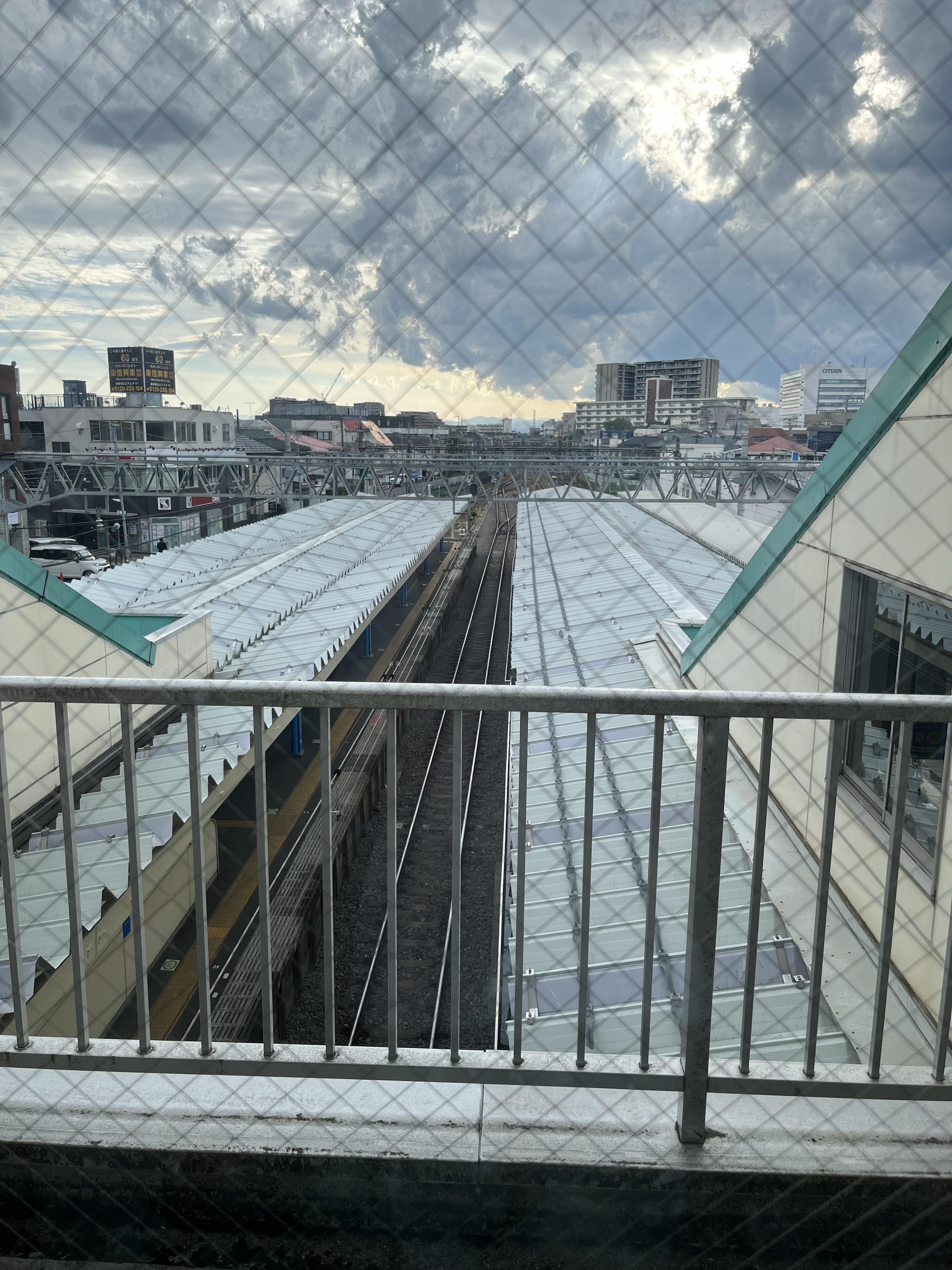
At first, I was really confused when trying this out, because it seemed like there were a million different train lines all heading in different directions, and I could never figure out which specific train I was supposed to take. That’s really the only difficult part of taking the trains here. From my experience, they always run exactly on time, so you rarely need to wait because of a delay, and they connect to all different parts of the city, so I can always get pretty close to where I want to go without having to walk too much.
Japan’s environment plays a large role in why transportation, especially railways, are so efficient. Japan, being an island nation, has a relatively small land area compared to the high population of the country. On top of that, a lot of Japan’s land is mountainous and uninhabitable. Because of that, cities and towns are generally denser with less distance between buildings in order to make enough room for the large population. You can compare this to the US, where it’s common to have large areas of land between houses. Because cities and towns are usually dense, it made sense and was profitable to build railways close by, explaining why Japan’s rail system is so large compared to that of other countries.