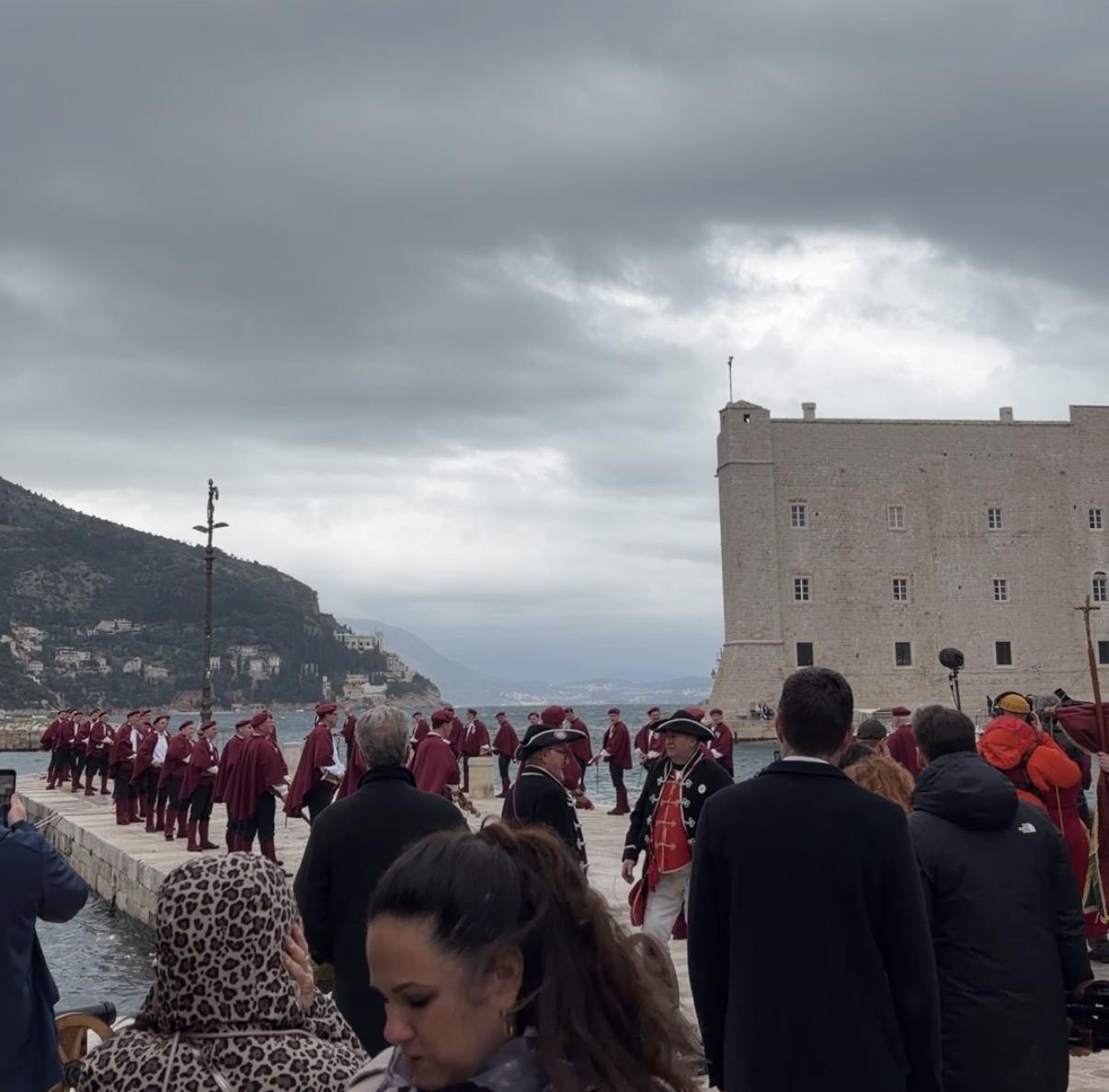
The Festivity of Saint Blaise is held every year on February 3 and includes a large procession through the city. During the procession, people carry important religious relics (historical objects), wear traditional costumes and march together through the streets. Another unique part of the celebration is the ceremonial firing of antique muskets during the festival. These traditions represent unity, peace and faith for the people of Dubrovnik.
Because the Festivity of Saint Blaise is so special and has been preserved for so long, it was recognized by the global organization UNESCO (the United Nations Educational, Scientific and Cultural Organization) in 2009 as part of its List of Intangible Cultural Heritage. Unlike tangible cultural heritage (touchable historical objects, structures and places), intangible cultural heritage includes many kinds of traditions and skills that people practice and share (like performances and languages), but can't physically touch. Being included on this UNESCO List of Intangible Cultural Heritage means the Festivity of Saint Blaise is considered an important cultural tradition that should be protected and passed down to future generations.
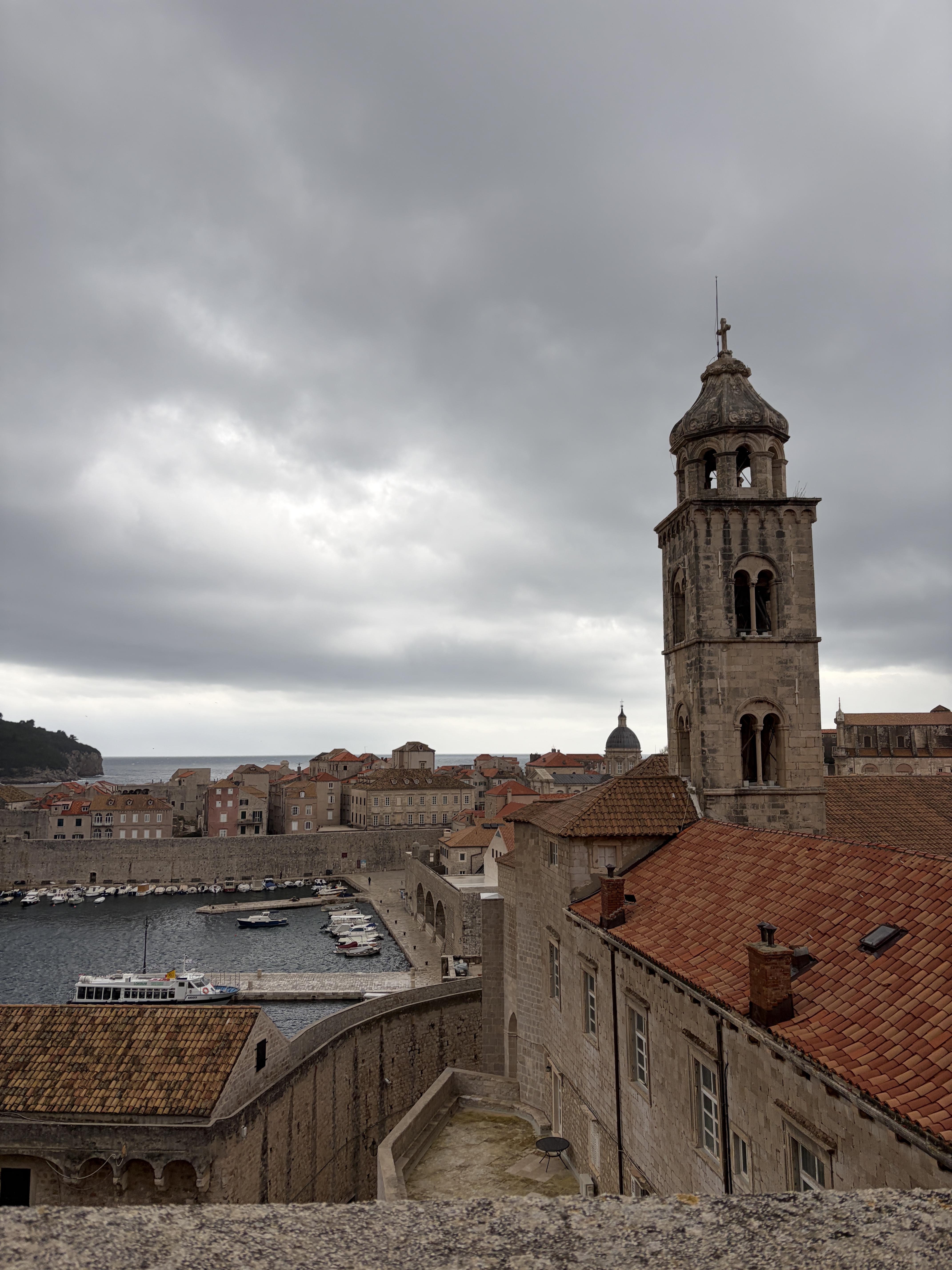
Yes, this tradition is connected to the environment and location of Dubrovnik in several ways. Dubrovnik sits along the coast of the Adriatic Sea and has a long history as a trading and maritime city. (Maritime means related to the sea or people’s activities at sea, including trading.) Because the city depended on trade and ships for many years (before today’s cruise ships), protecting the city from enemies arriving by sea was very important.