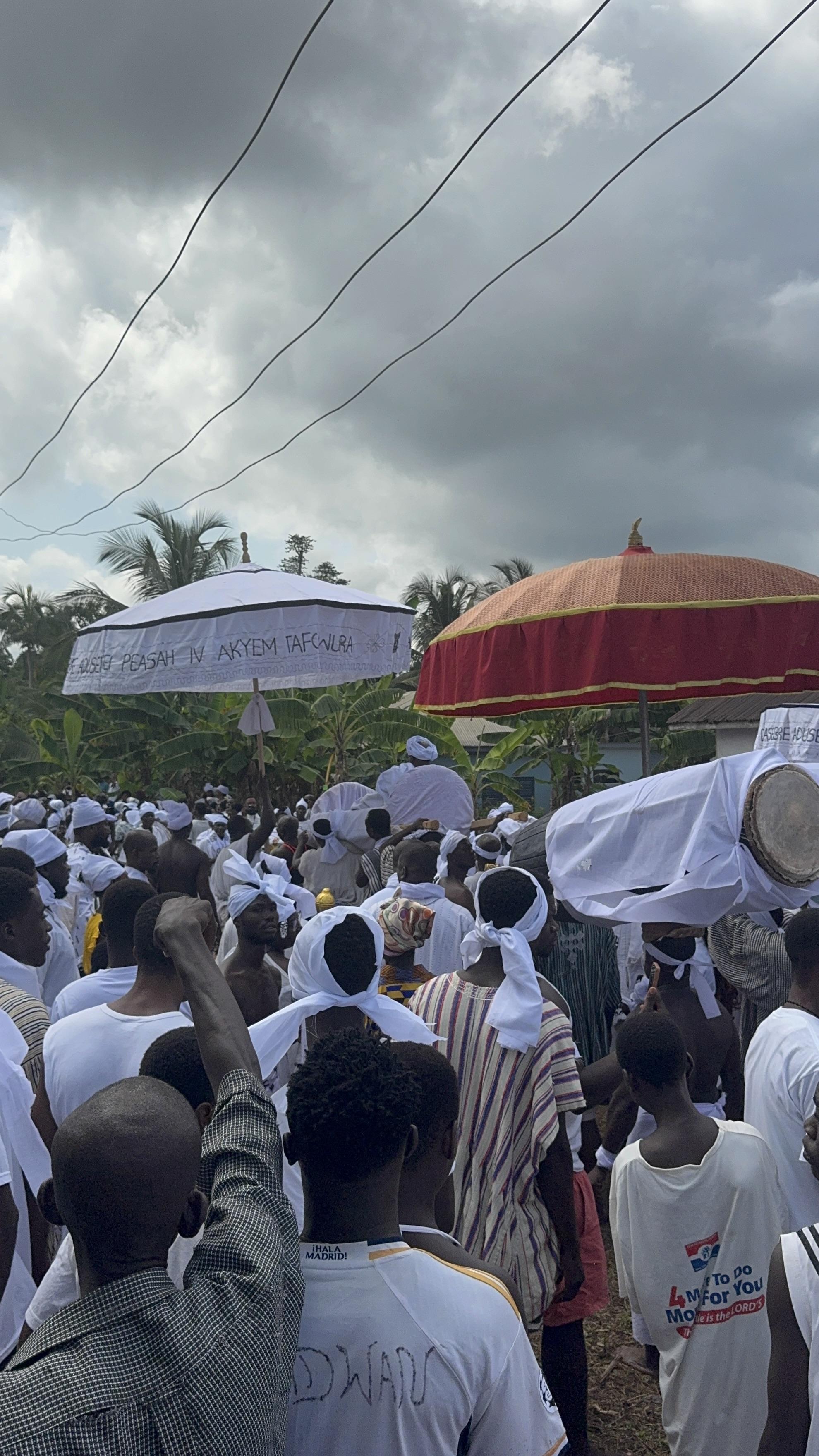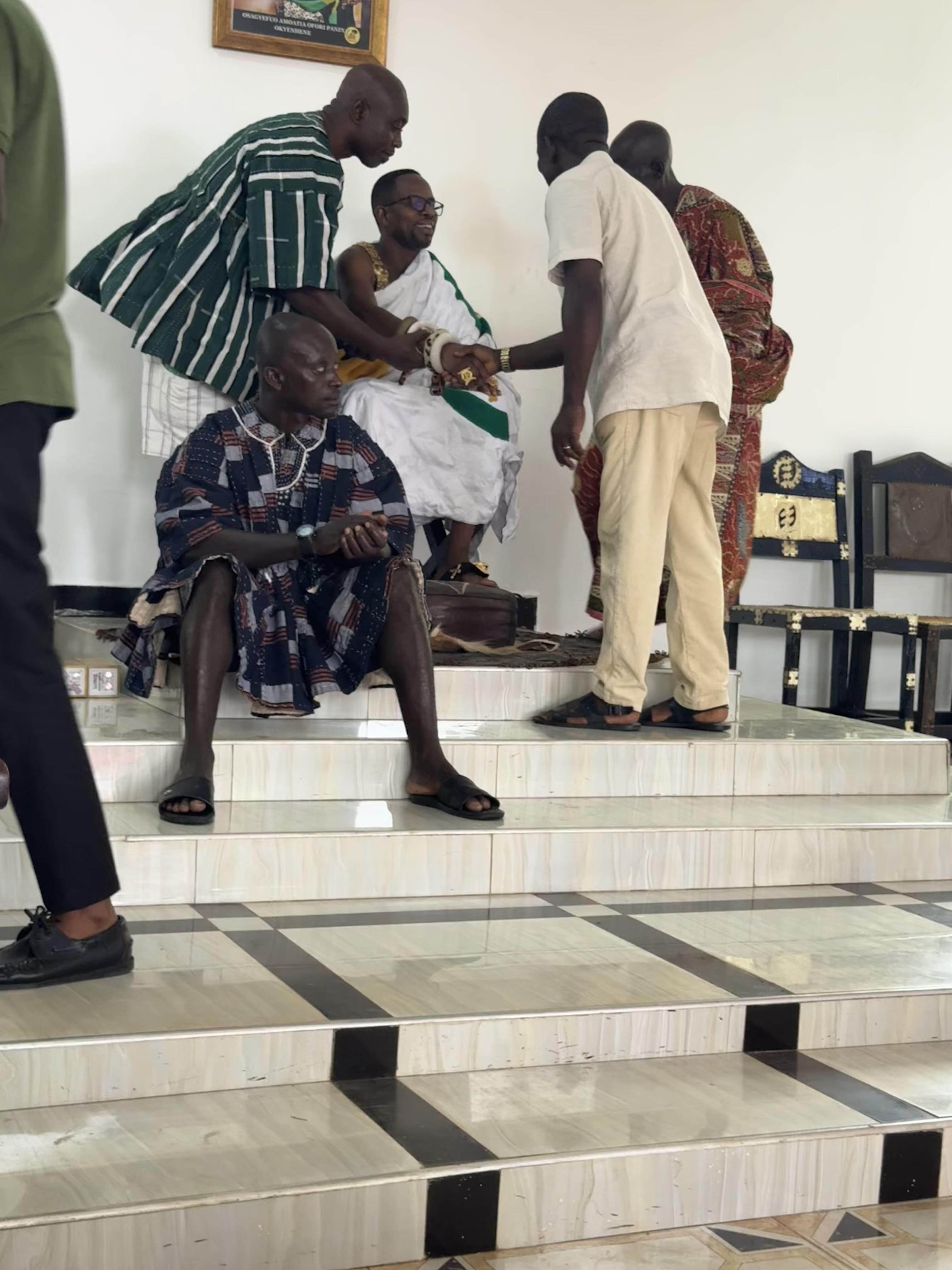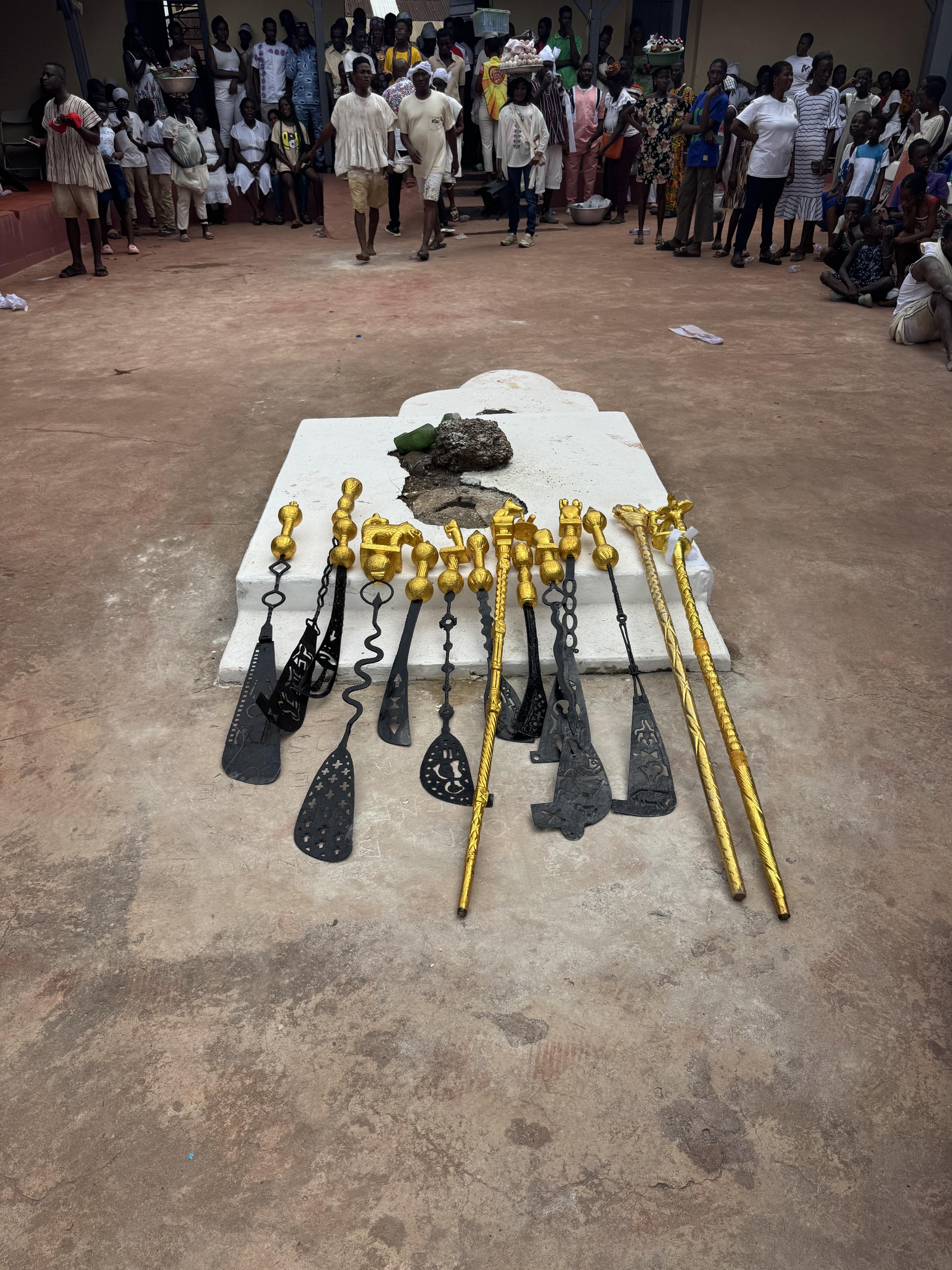
In many Ghanaian villages, the chief is a respected leader who guides the community. Chiefs make decisions, protect traditions and connect people to their land and culture. Let’s learn more about them.
In the United States, towns and cities are often run by mayors. Residents elect their mayor for a set number of years and the mayor helps manage the city. In Ghana, there are also elected officials, but many communities are traditionally run by a chief. The chief is not elected and is instead considered royal, similar to how the United Kingdom has a king.
Ghana has over 100 different tribes, and each village or town usually belongs to one tribe. Chiefs are generally born into a royal family. Some tribes choose chiefs based on the mother’s side of the family, while others choose based on the father’s side. In my village, the chief comes from the father’s family line. This system is similar to how some Native American tribes in the United States have traditional leaders who help guide their communities and protect cultural traditions, even though the U.S. also has elected governments.
While most communities have a chief, there are also regional chiefs. This is similar to having a mayor, then a county leader and then a governor. Village chiefs may report to a higher-level chief.