Another tradition is Gnocchi Day, where on the 29th day of every month, a coin is placed under your plate of gnocchi. This tradition is meant to be a ritual symbolizing hope for financial abundance. It is specifically on this date that families and friends will come together and share a plate of gnocchi.
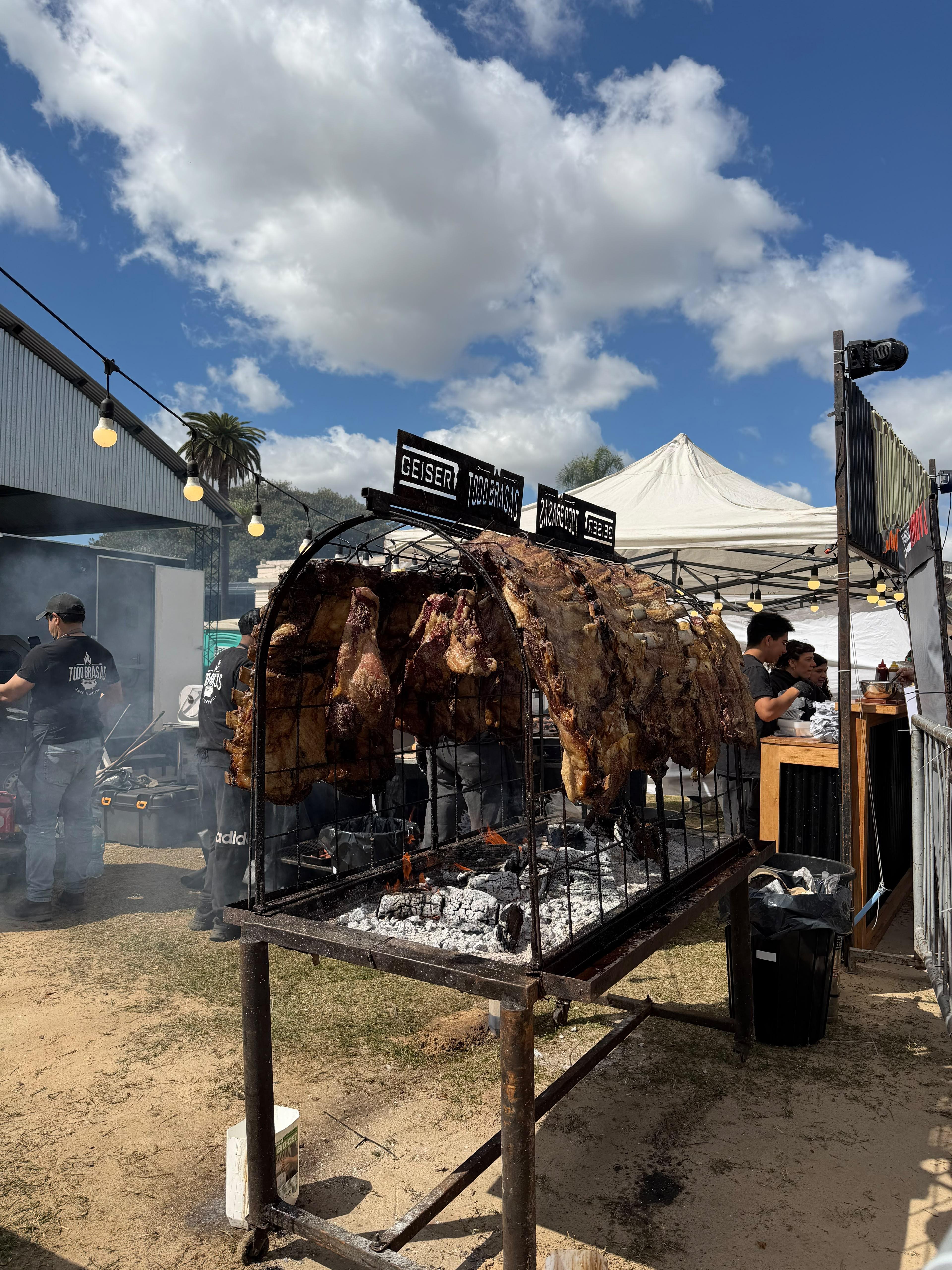
The history of these traditions goes back to economic means. Argentina has vast grasslands that make cattle abundant and cheap, and grilling large cuts of meat slowly was a practical way to cook it. Similarly, Gnocchi Day dates back to Italian immigrants who were paid at the end of the month. On the 29th of the month, money was tight. Gnocchi is an affordable, easy-to-make meal because it's made from flour, potatoes, and water. Placing money under the plate is a superstition meant to invite good fortune and financial stability for the rest of the month.
Since slow cooking meats takes time, they made it a social event to reinforce family bonds and an excuse to gather and spend time. Gnocchi Day carries the same spirit, turning a once-a-month tradition into another chance for family and friends to gather.
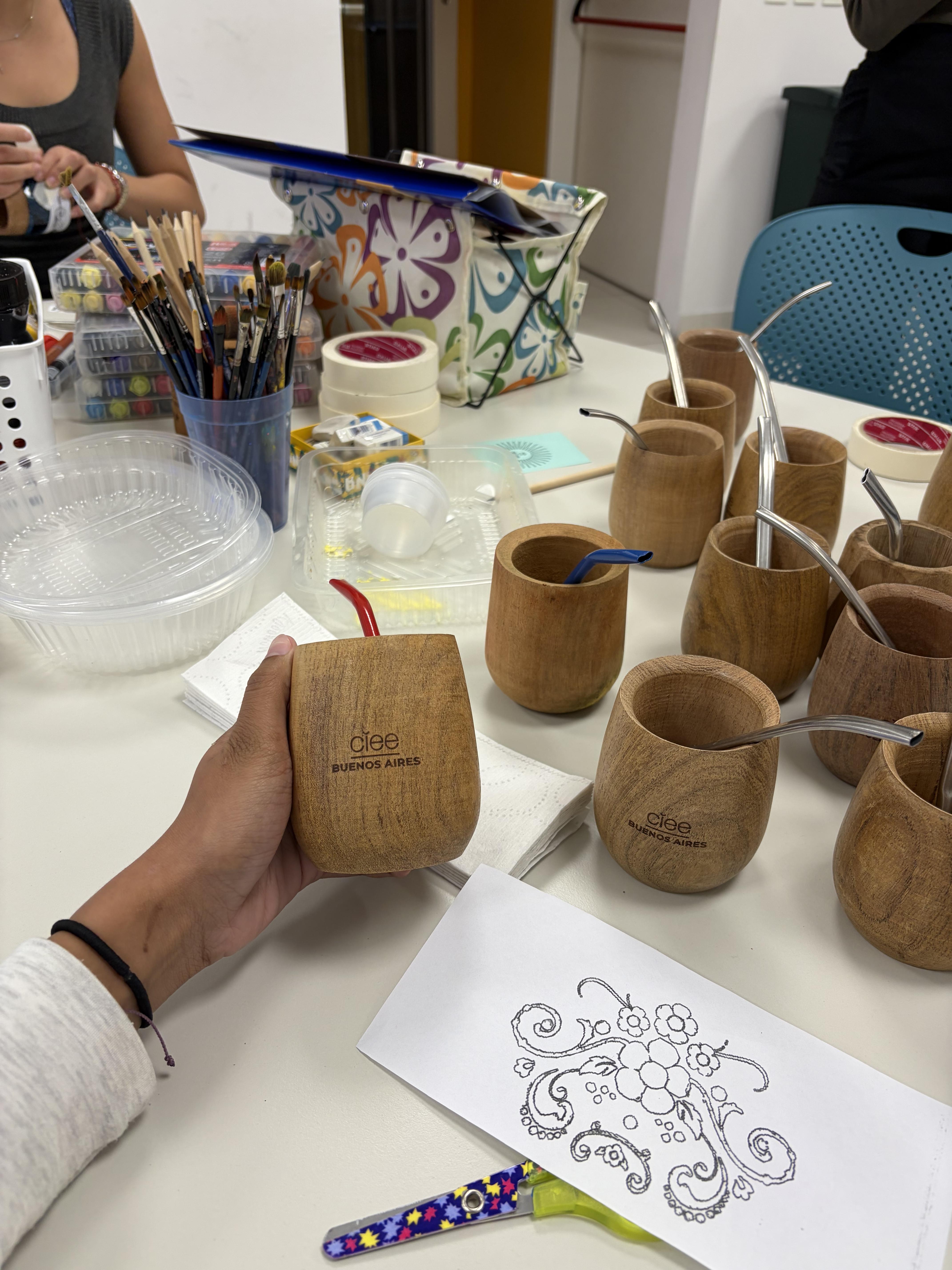
This all connects back to Argentina's history with its environment, as Argentina has one of the largest grassland regions in the world, the pampas, which stretch across the central part of the country. This flat, fertile land is ideal for raising cattle. Yerba mate is native to parts of South America, and the humid forest climates in Argentina make it ideal for cultivation there.