Dessert puddings are typically milk-based and cooked slowly until thickened.
Rakija is made by fermenting fruit and then distilling it into a strong brandy. Many families still make it at home. The fruit used depends on what grows well and what the harvest provides.
Yes, very directly. The white beans used for Tavche Gravche are primarily cultivated in the Tetovo region, especially in the Polog Valley of northwestern North Macedonia. The soil and climate there are well-suited for growing the large white beans used in the dish.
The red peppers that give the dish its paprika flavor are especially prominent in the Tikveš wine region of the Vardar Valley in central North Macedonia, where I live and work. The warm climate supports vineyards, orchards and pepper cultivation.
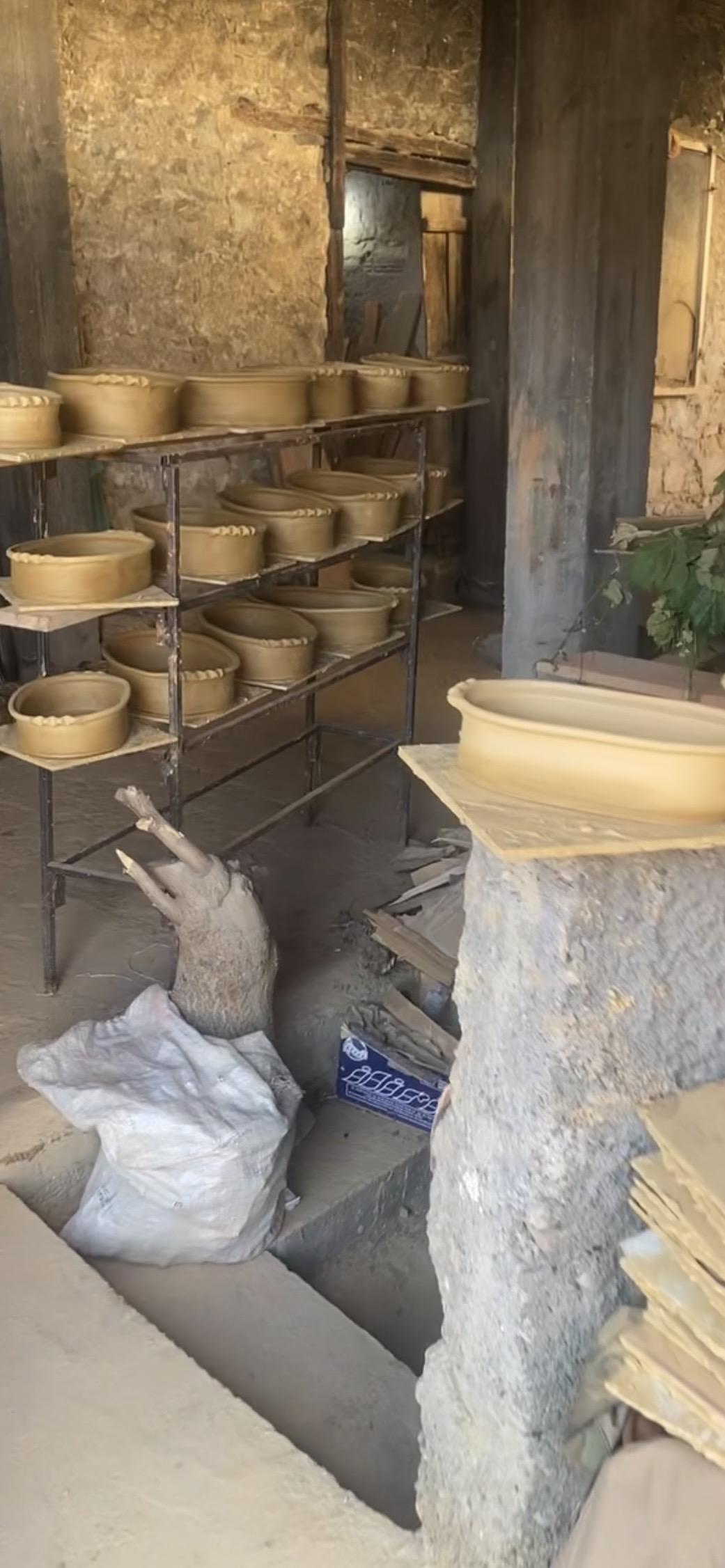
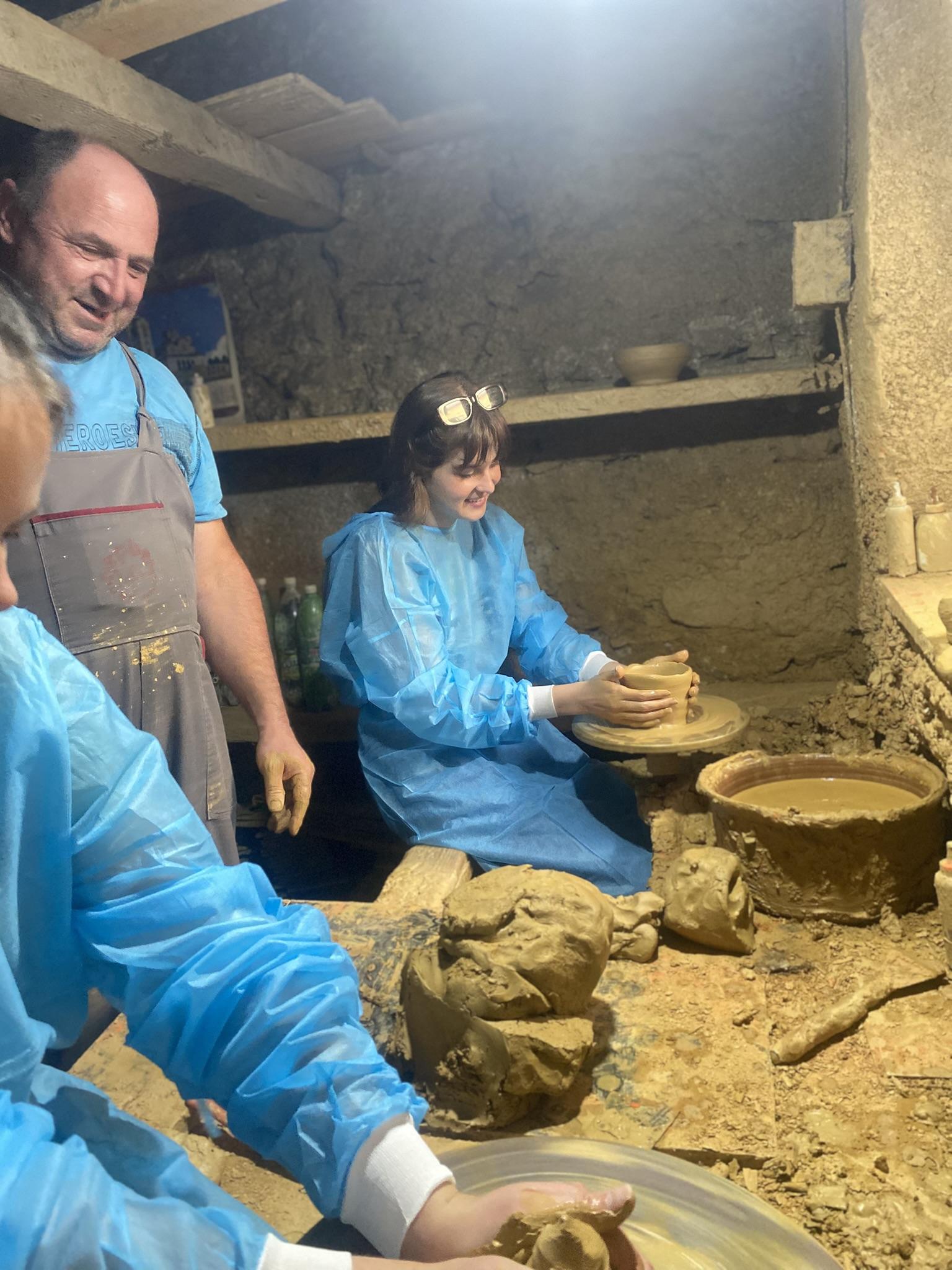
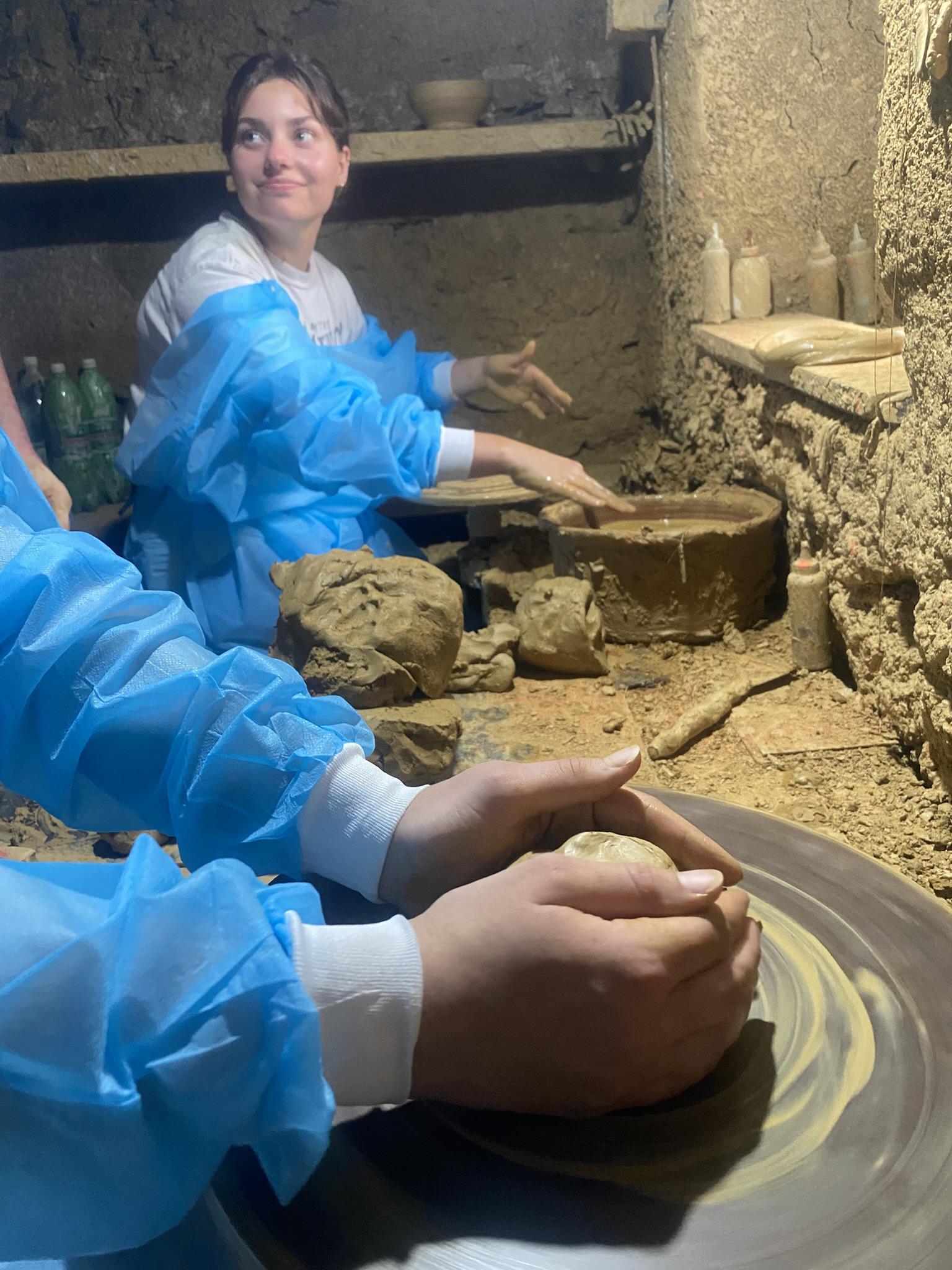
The clay cooking vessels are connected to Veles, a city nationally known for its pottery and access to natural clay resources. I met a pottery artist there whose family has made traditional tava pans for seven generations.
Rakija reflects the fruit harvest: grapes from vineyards, plums from orchards, apricots and even kiwis. The type of rakija often depends on what fruit is most abundant in a given year. In that way, both the food and the drink are shaped directly by geography, climate and local resources.
After reading this, check out the video I made showing you more of the food!