For instance, Estonia has an average voter turnout of 62.5%, which is a whopping proportion of the population compared to many other European countries.
Interestingly enough, this is the second time Estonia has been an independent republic. The first time was from 1920 to 1939, after the publication of the Estonian Declaration of Independence on February 24, 1918. The American Declaration of Independence is so central to our education in the U.S. that I was awestruck to learn about the tenets and principles of another country's proposal. Fun fact: February 24 is Estonian National Day, probably the biggest holiday in the country!
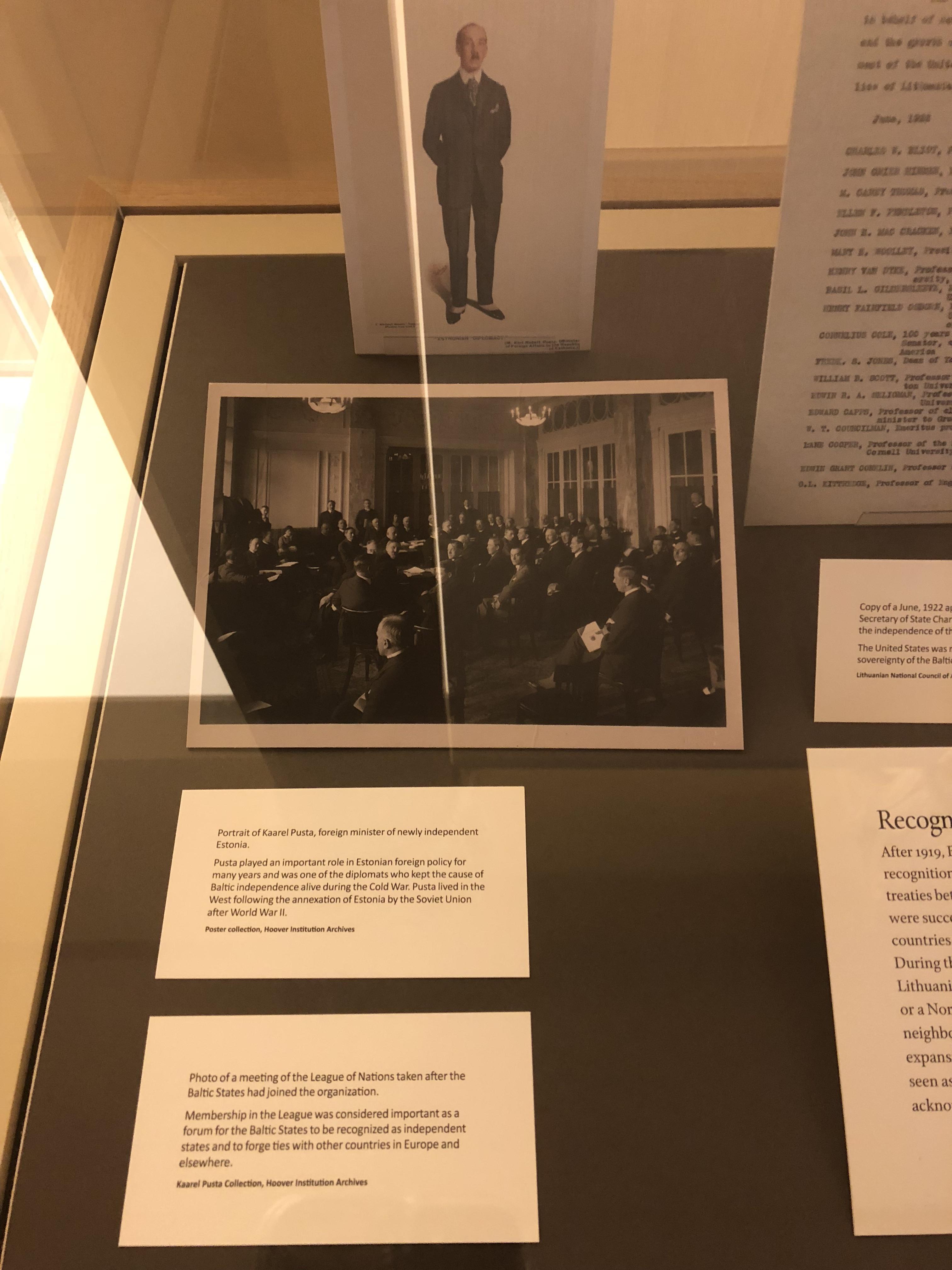
In 1921, Estonia became a member of the League of Nations, which a world wide organization that predates the United Nations and was created to stop wars. The League was founded right after the Estonians had won their War of Independence against Soviet Russia and Germany, a fact that shows Estonia has long been an active state ready to engage with the international community. The enthusiasm of the first republic for trade and international engagement is an important reminder for me nowadays when the United States is fighting an internal battle to decide whether or not it will retreat from its position of power in the world. Today Estonia remains one of the most outspoken and articulate members of the European Union. Being a member of the E.U. may encourage even greater democracy in Estonia.
My friends also theorized that the introduction and popularity of i-voting in Estonia is a result of the overall high value people place in civic engagement (working together in society). The Estonian government wants to make voting more accessible and easy.