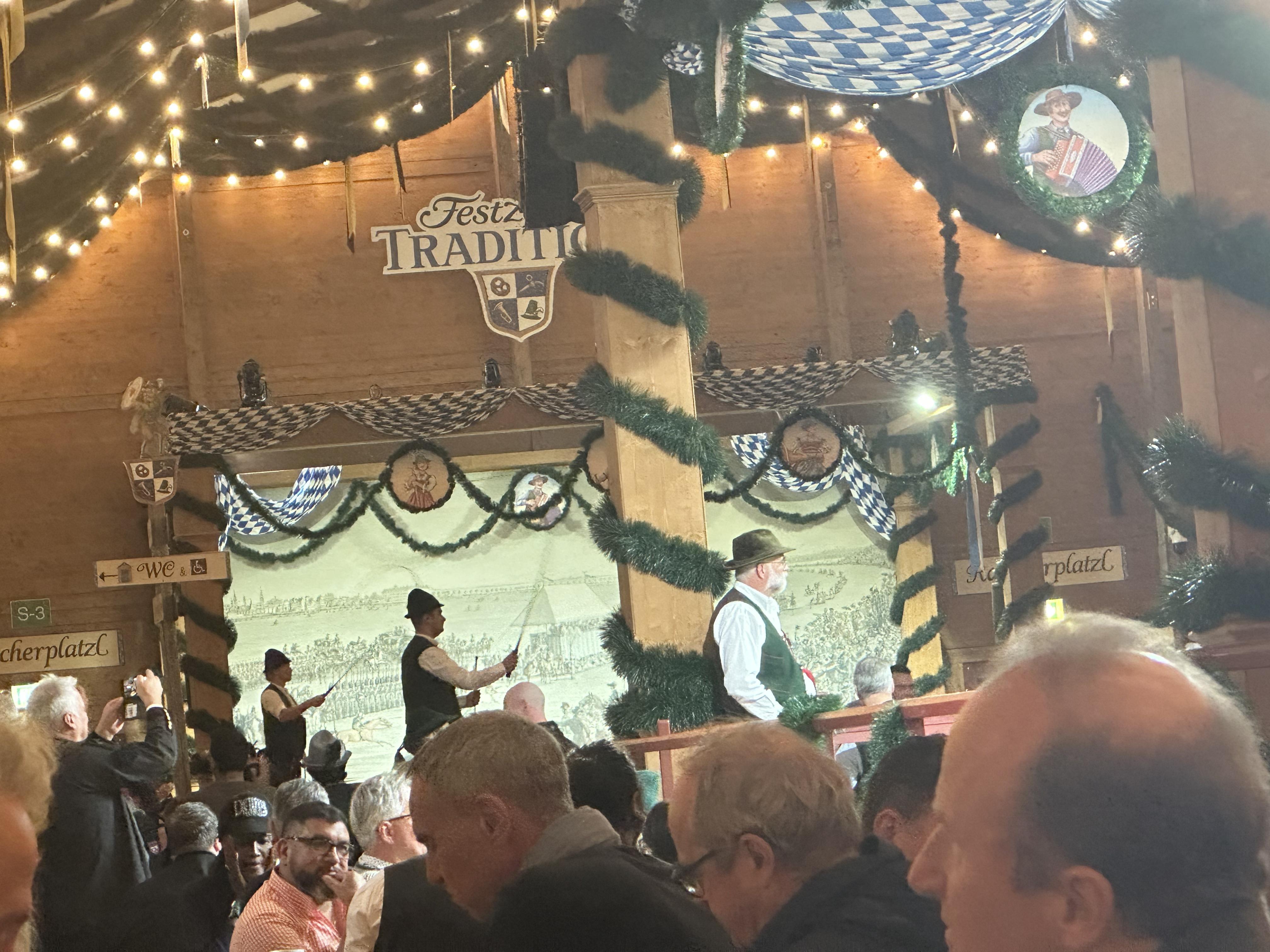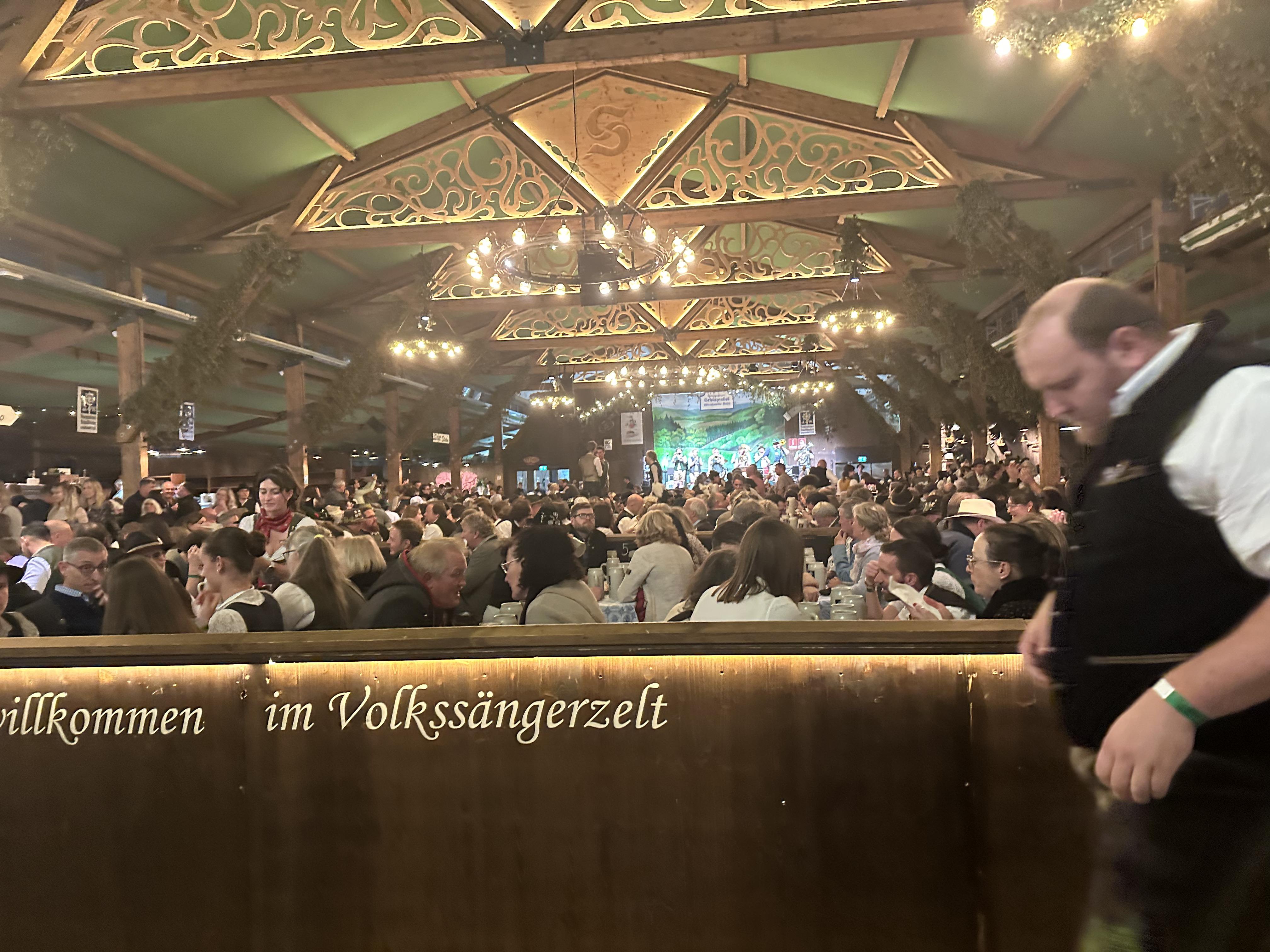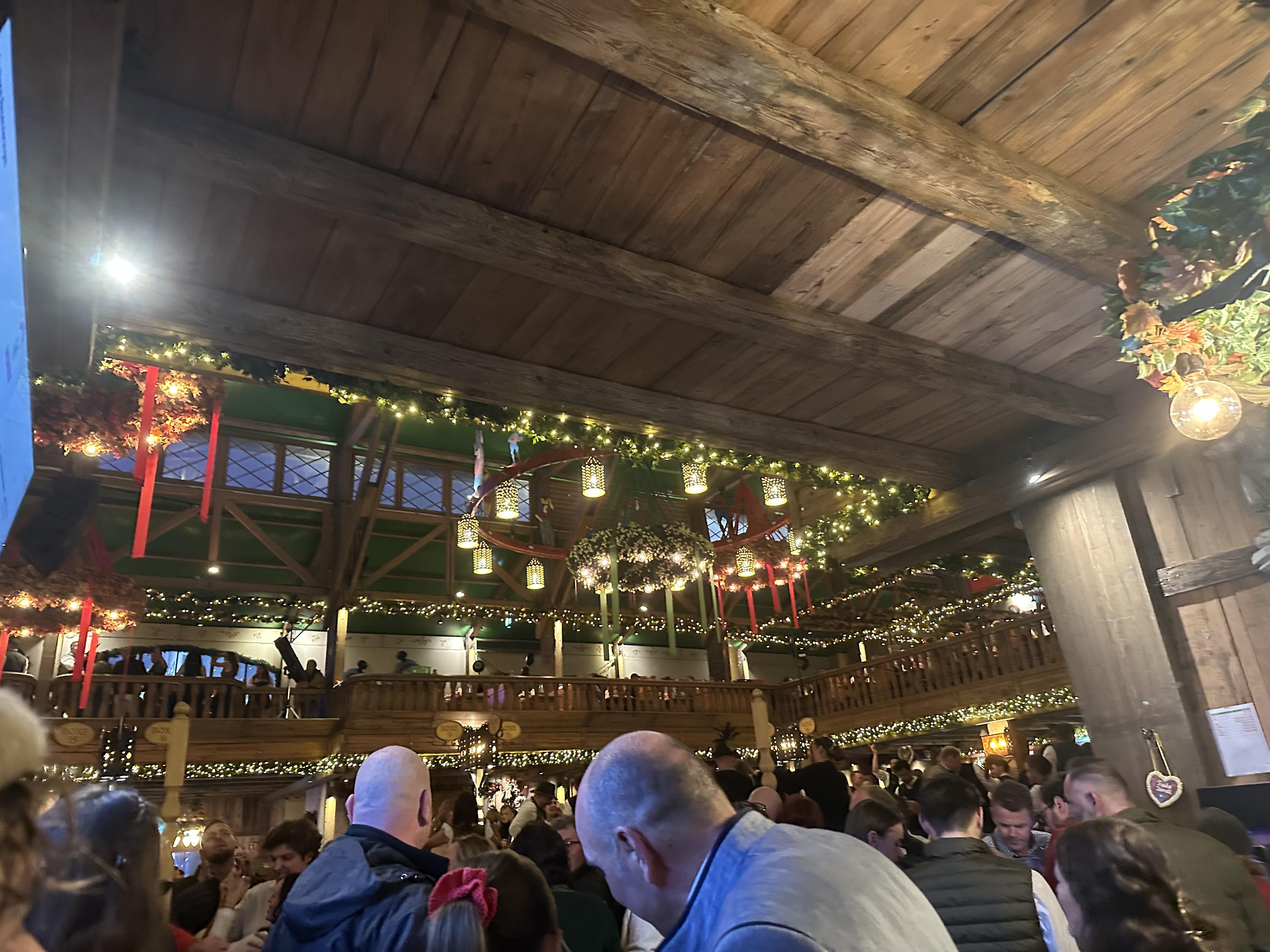
Oktoberfest originated in October of 1810, when Crown Prince Ludwig of Bavaria (a region encompassing Munich that now makes up most of southern Germany) married Princess Therese of a neighboring area. In honor of the marriage, the public was invited to celebrate on the fields outside of Munich’s historic city walls. This celebration site was named Theresienwiese (“Therese’s Meadow” and where the local name Wiesn comes from) and continues to bear that name today. The original festival featured a horse race. However, over time carnival booths, parades and the large tents were added, making it one of the largest festivals in the world. In modern times, it has become a global phenomenon, with other places in Germany and even on other continents holding their own Oktoberfests and some of the largest being in Brazil, Canada and the US.
Oktoberfest traditions have been influenced by the surrounding environment and culture of Bavaria, the region of southern Germany that Munich is located in. First of all, as mentioned before, Oktoberfest originally started as a celebration for a royal wedding. Oktoberfest was able to continue as an annual event beyond that in part because it represented a good opportunity for the agricultural associations and vendors in Bavaria to sell their products to the large festival crowds. As a result, the crops that are grown in the region, particularly cereal grains, have influenced the food and drink traditionally offered at Oktoberfest.