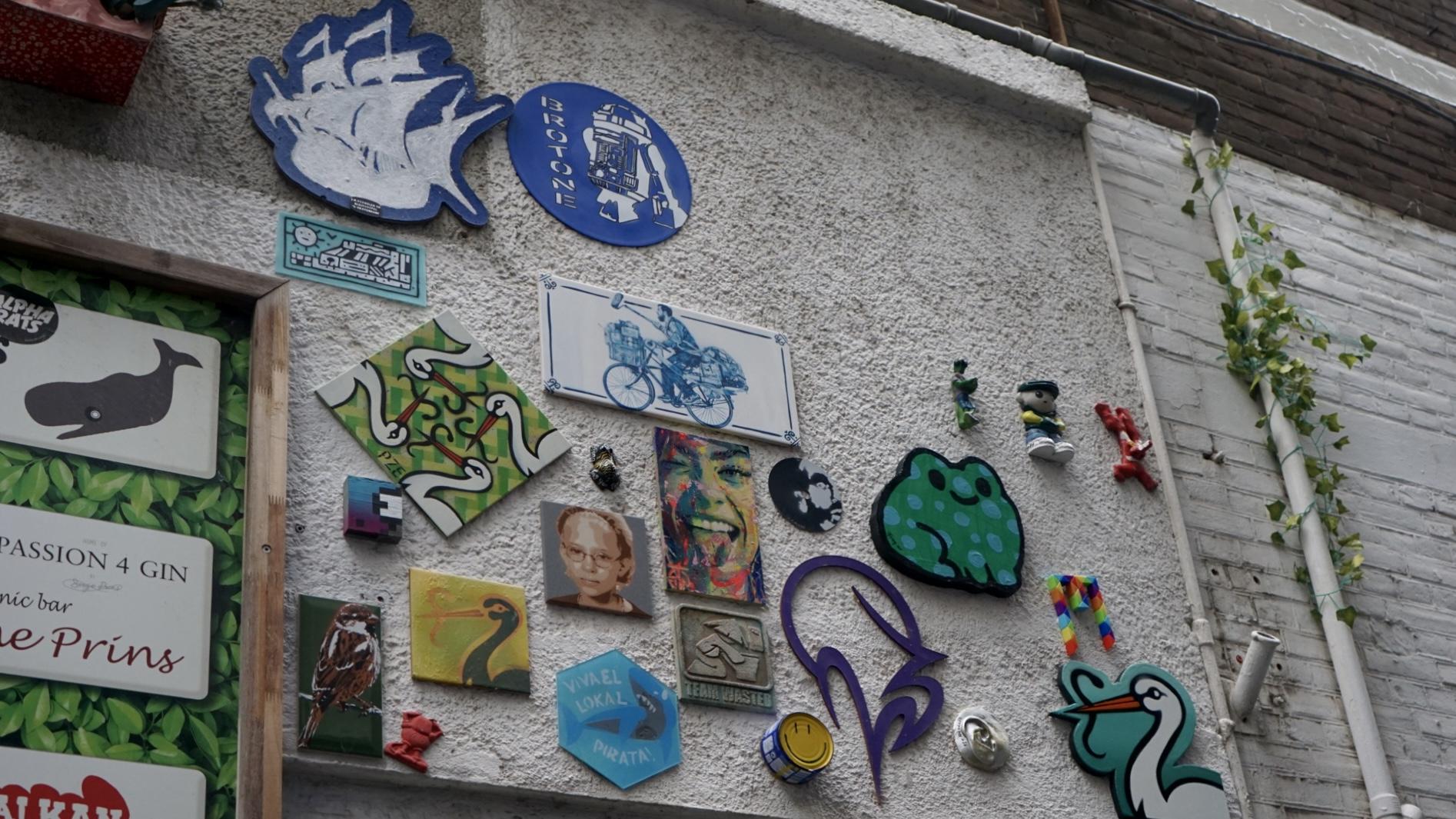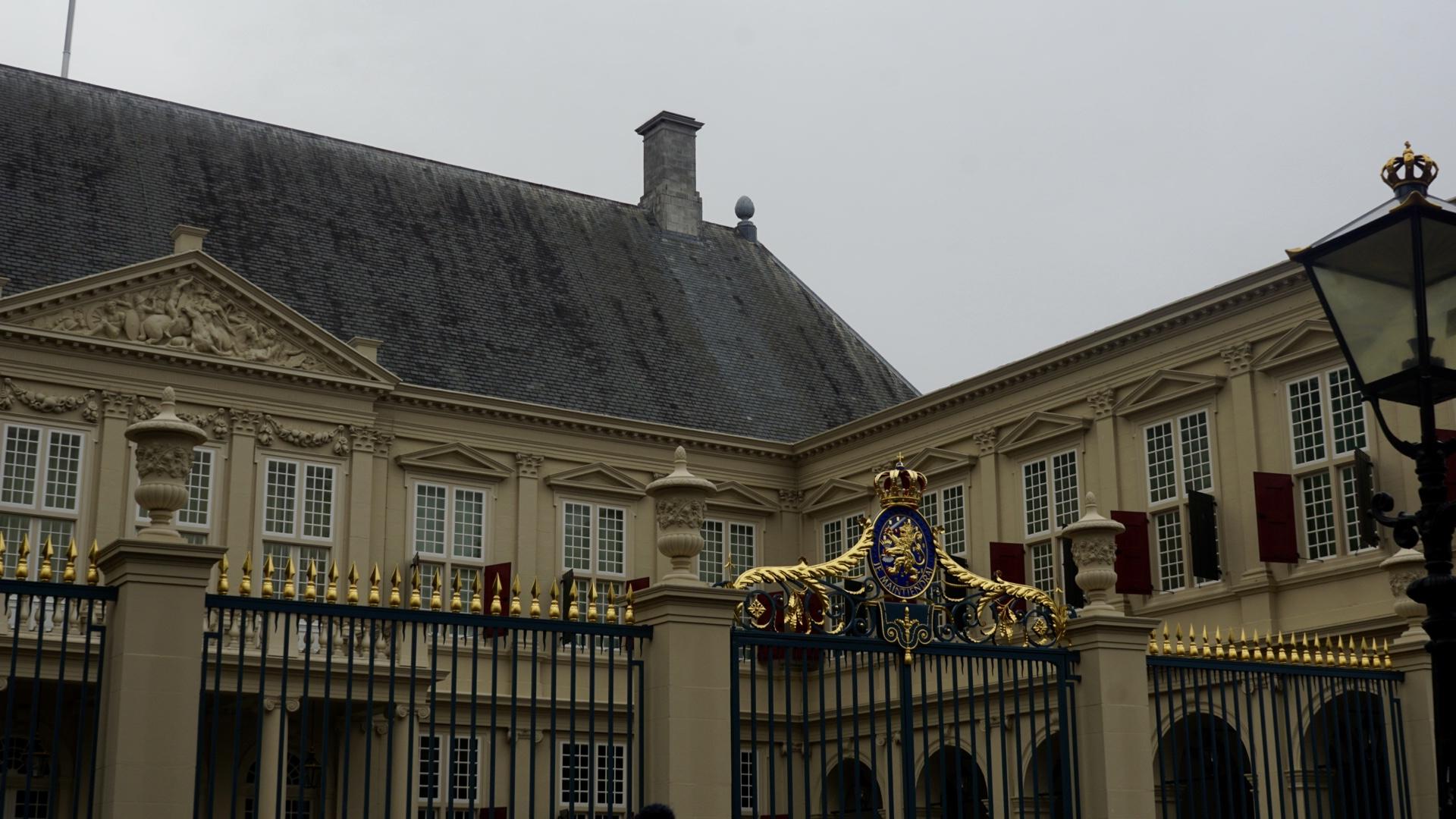
For my last day in the Netherlands, I traveled to Den Haag (or, as we know it, The Hague), where the Dutch government is based and several important international legal institutions are located.
I started with a free walking tour through the historic center. Our guide introduced us to the Dutch constitutional monarchy, the Binnenhof parliamentary complex, and the royal family's role in modern Dutch society. During the tour, I also had the chance to ask something I'd been wondering about since Amsterdam: I wanted to know how Dutch students learn about colonialism and the Netherlands' involvement in the Holocaust, particularly the collaboration of some Dutch citizens and institutions with Nazi Germany.
His answer was surprising; he told me that, in his experience, many students receive only a brief introduction to Dutch colonialism in primary school, sometimes amounting to just a few sentences. Of course, this was his personal perspective, and students' experiences undoubtedly vary between schools. Still, given how much attention these subjects had received in the museums I'd visited, I hadn't expected to hear that they might receive so little attention in some classrooms—I can't help but wonder why!
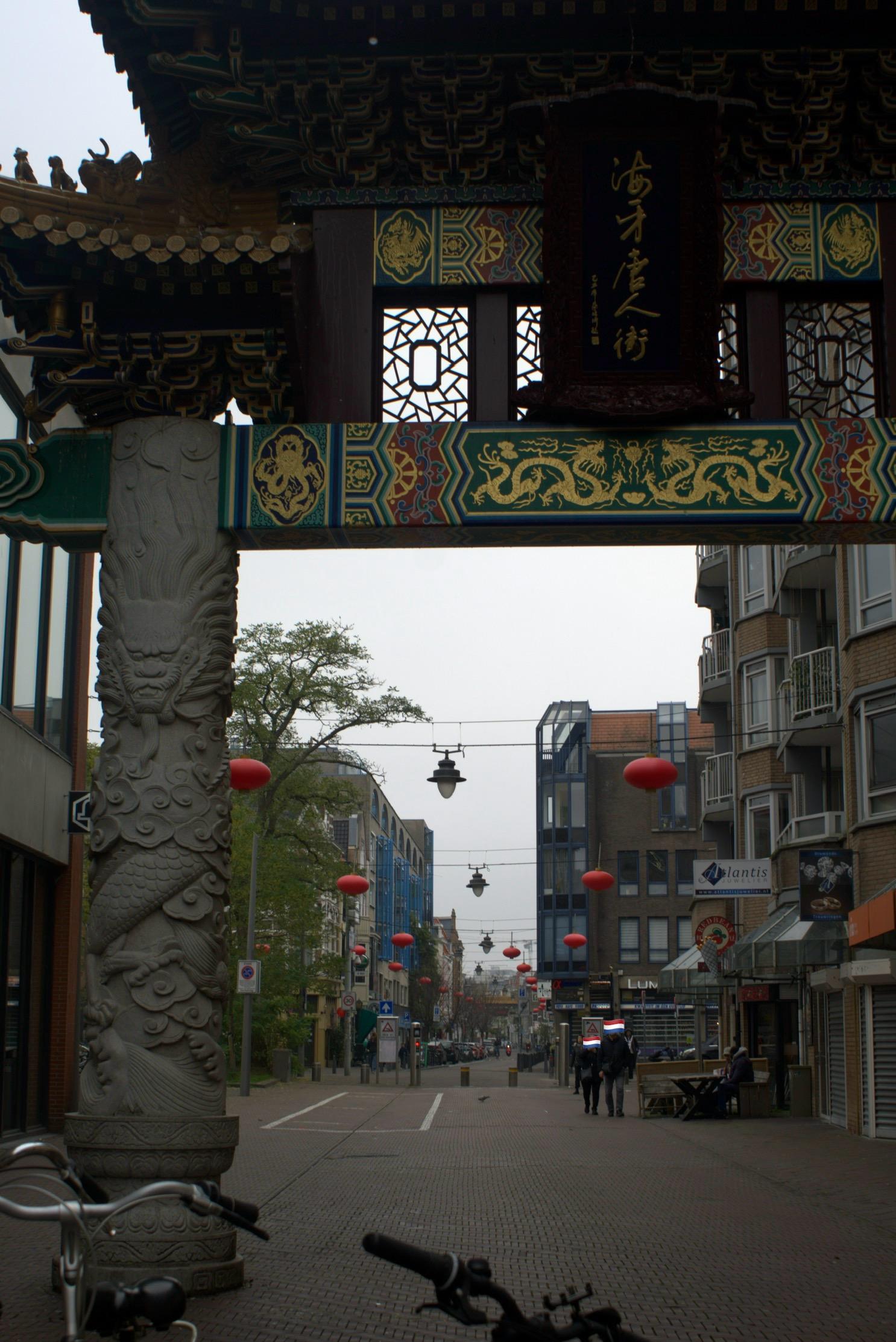
Our guide also told us about the history of Den Haag's Chinatown, which turned out to be connected to the Holocaust in a way I hadn't anticipated. Before World War II, the neighborhood was part of Den Haag's Jewish quarter, home to Jewish families, businesses, schools, and synagogues. During the Nazi occupation, much of the Jewish community was deported and murdered. The neighborhood subsequently declined, and in the decades that followed, the city began redevelopment efforts.