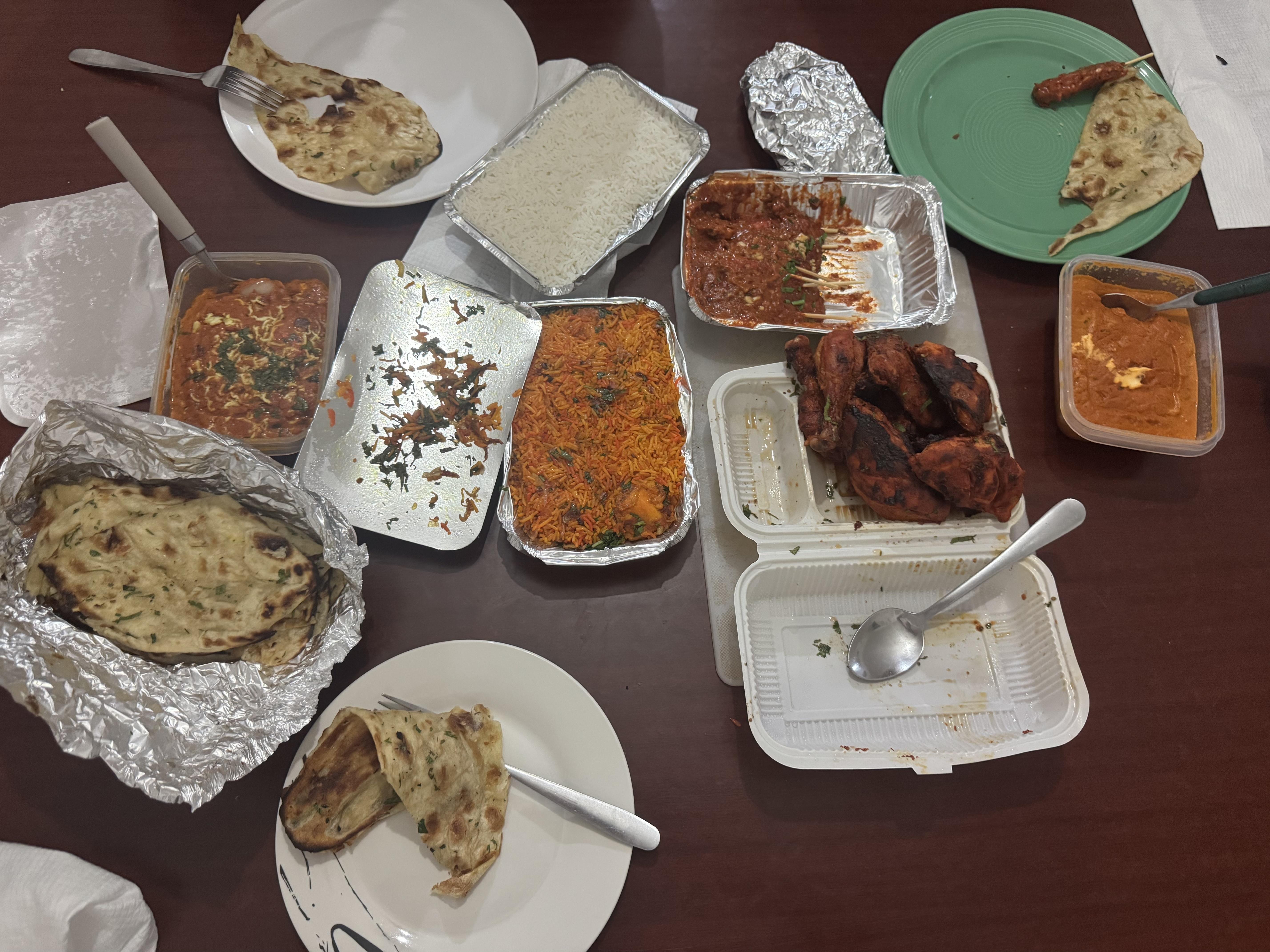
Nsima is made by slowly stirring cornmeal into boiling water until it becomes thick and smooth, then used to scoop other foods like vegetables, beans, or meat stews. Fish from Lake Malawi is often grilled or fried; throughout the country, cooking is often done on open fires using wood or charcoal. The smell of cooking fires and charcoal is common, especially in the evenings, and becomes part of daily life. Ethiopian dishes are shared communally on injera, which is made from fermented grain and used instead of utensils. International foods like Indian curries or Italian pasta are adapted with local ingredients and tastes as it is extremely expensive to buy imported items.
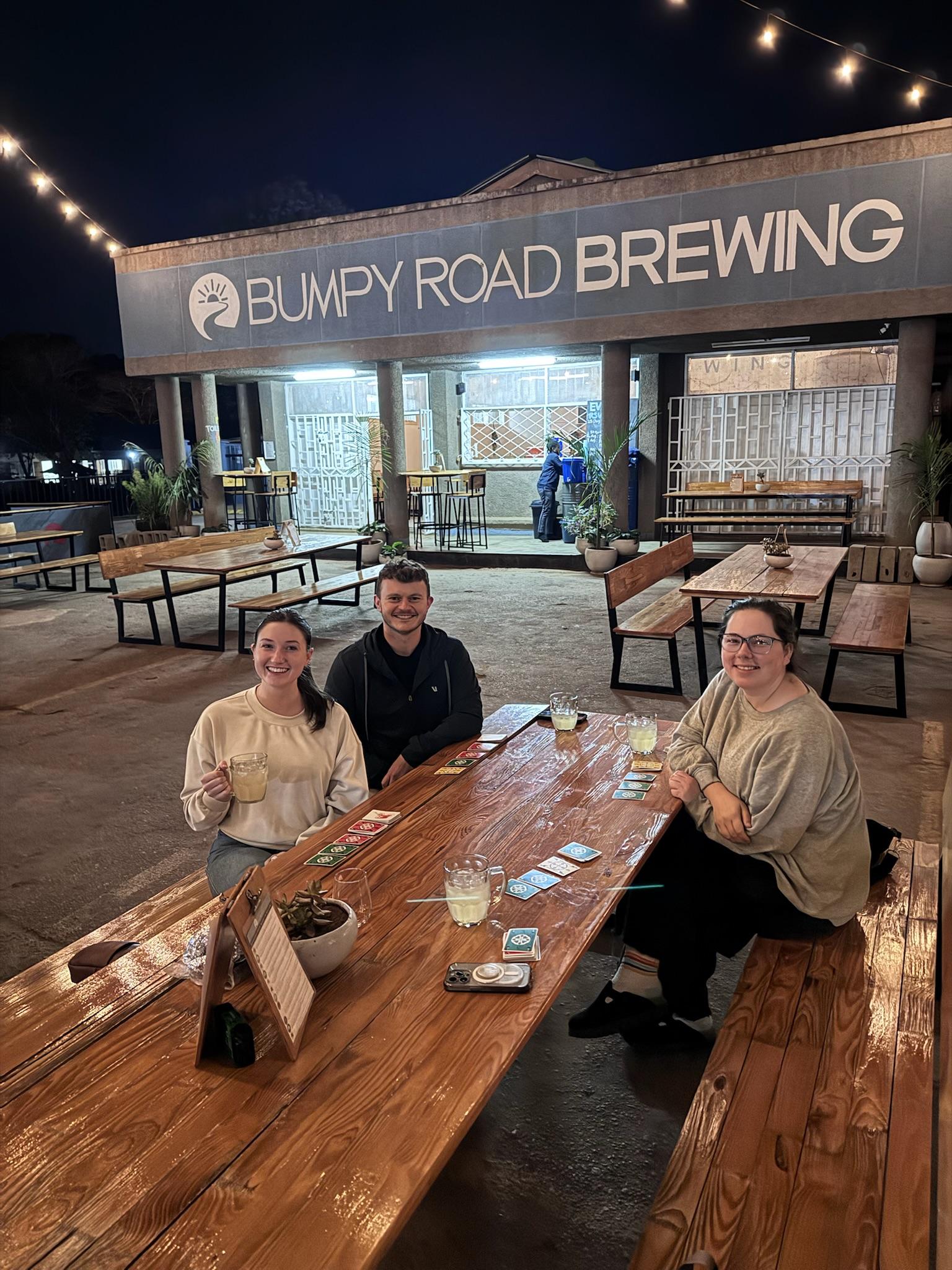
Food in Malawi is deeply tied to the environment. Corn is widely grown, making nsima affordable and accessible. Corn is so important that there is a saying Chimanga ndi moyo or "Maize is life." UNESCO recognizes Lake Malawi National Park as a World Heritage Site due to the extremely diverse and endemic cichlid fish, as well as other fish that are central to both diet and livelihood. Seasonal fruits, growing along the roads or in backyards, like Alphonso mangoes are abundant, and inexpensive when in season and cost less than $0.75 per pound! Social spaces like cafés, breweries, roadside stands reflect how food fits into daily life.