I once saw a set of maps of the southern U.S. that described how ancient geology affected presidential elections. An inland sea during the Cretaceous period formed a coastline stretching across parts of modern-day Georgia, Alabama, and Mississippi. An agricultural fertility map showed that this same area had extremely rich soil for farming, which led to a map of slave-owning plantations and its present African-American populations. A voting turnout map showing these areas to be overwhelmingly populated by Democrats. I was fascinated by the story of human inhabitation of the land.
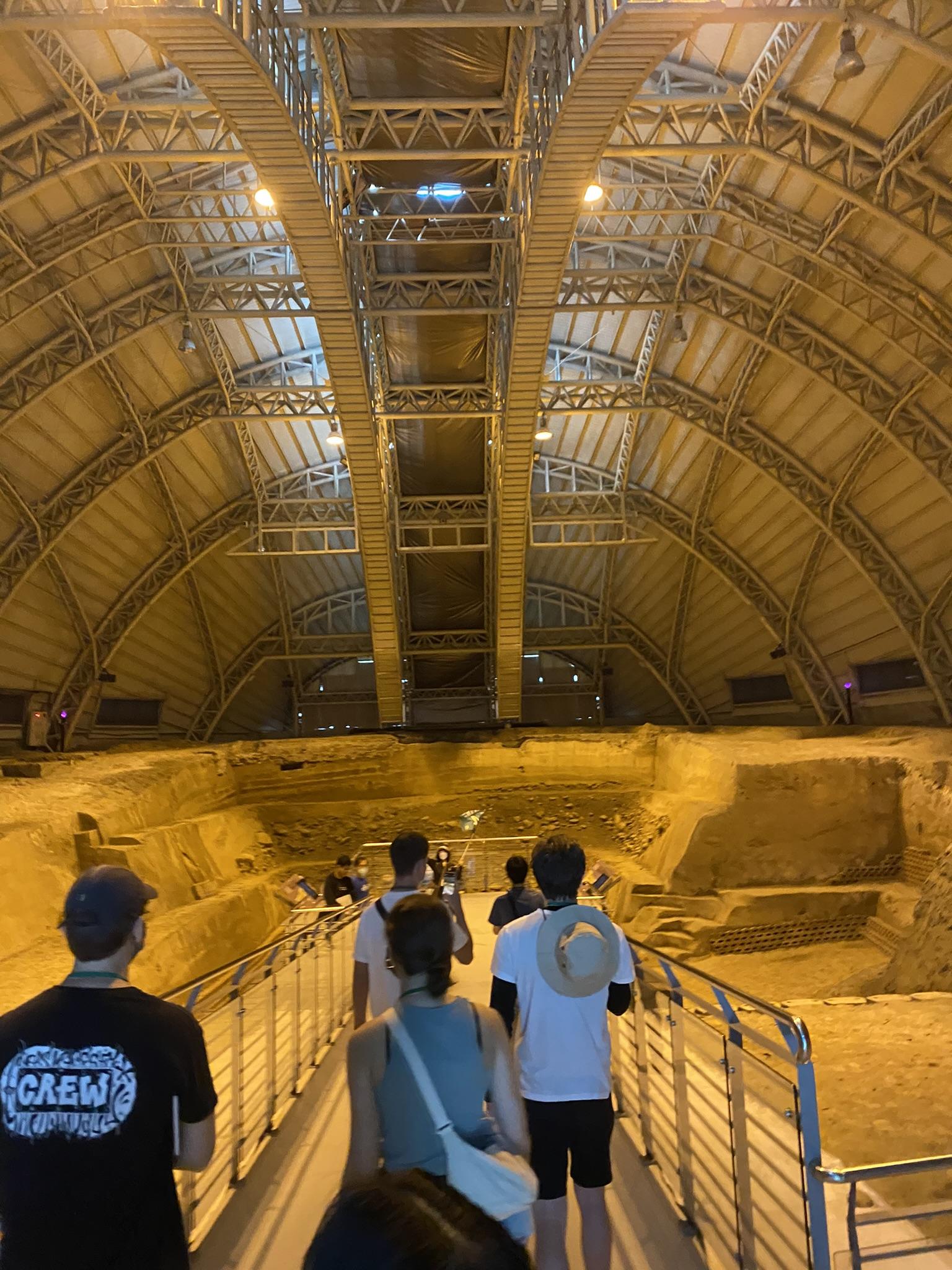
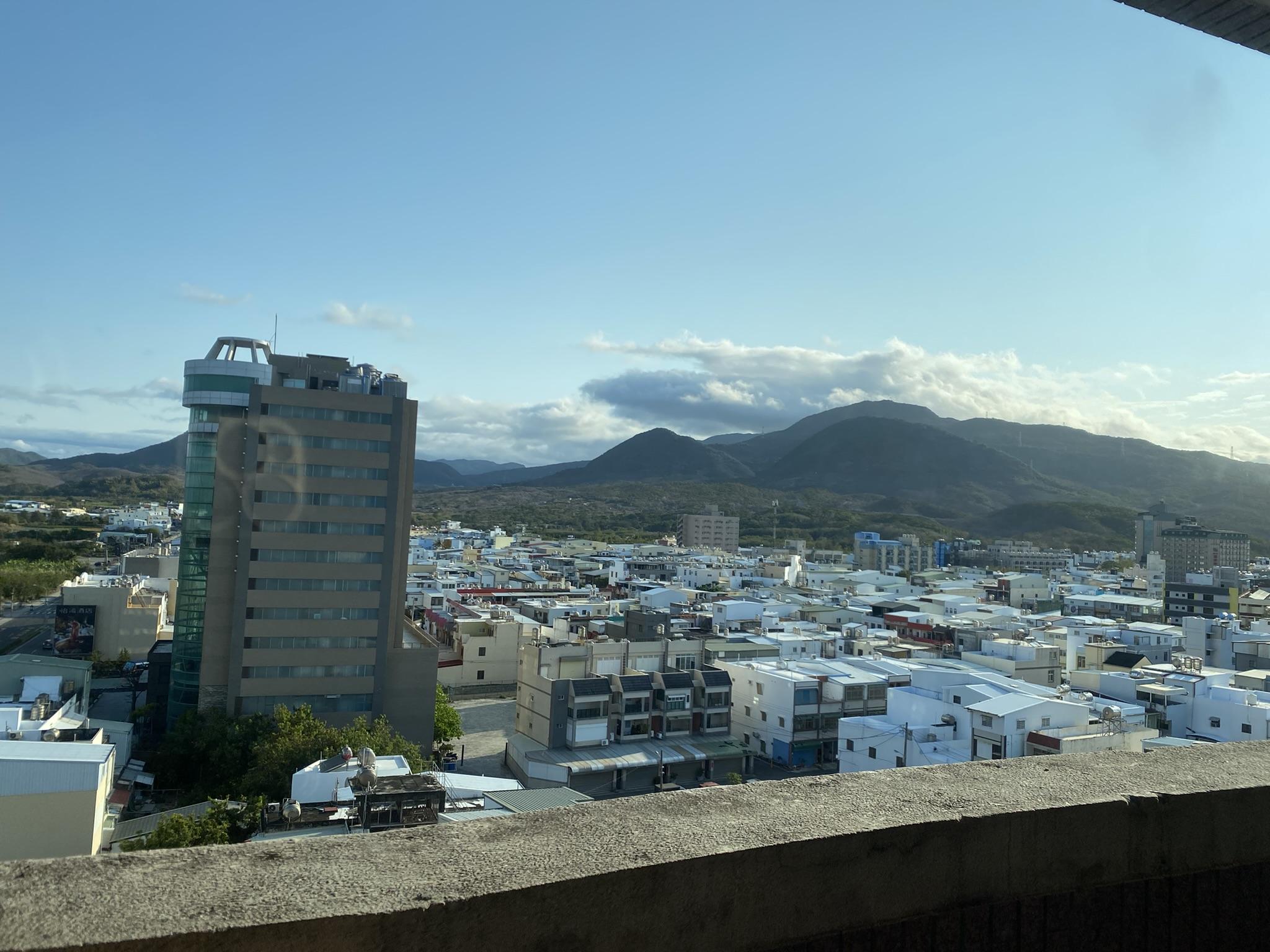
On this geology trip, I made similar connections to Taiwan's human geography. I spent four days in the South, staying in a hotel in the small town of Hengchun. Our group spent each day riding a bus to different geological formations that told a story of how Taiwan rose from the sea. Taiwan sits between the Eurasian continental tectonic plate and the Philippine sea plate. Both of these plates are currently colliding, which resulted in the formation of Taiwan and Japan.
On Friday, March 24, I visited the Earthquake Fault Museum, where I heard presentations describing how Taiwan was affected by the 1999 Chi Chi earthquake.