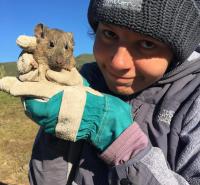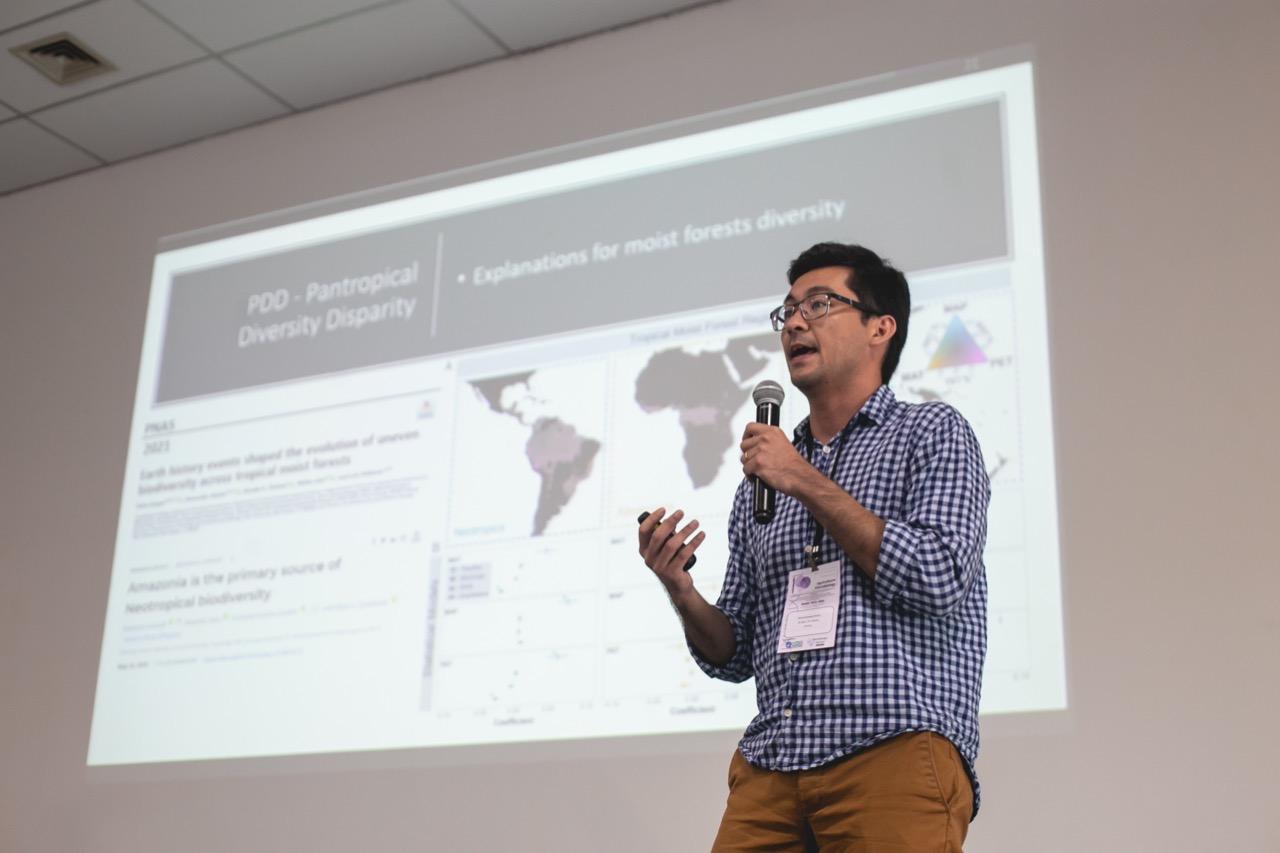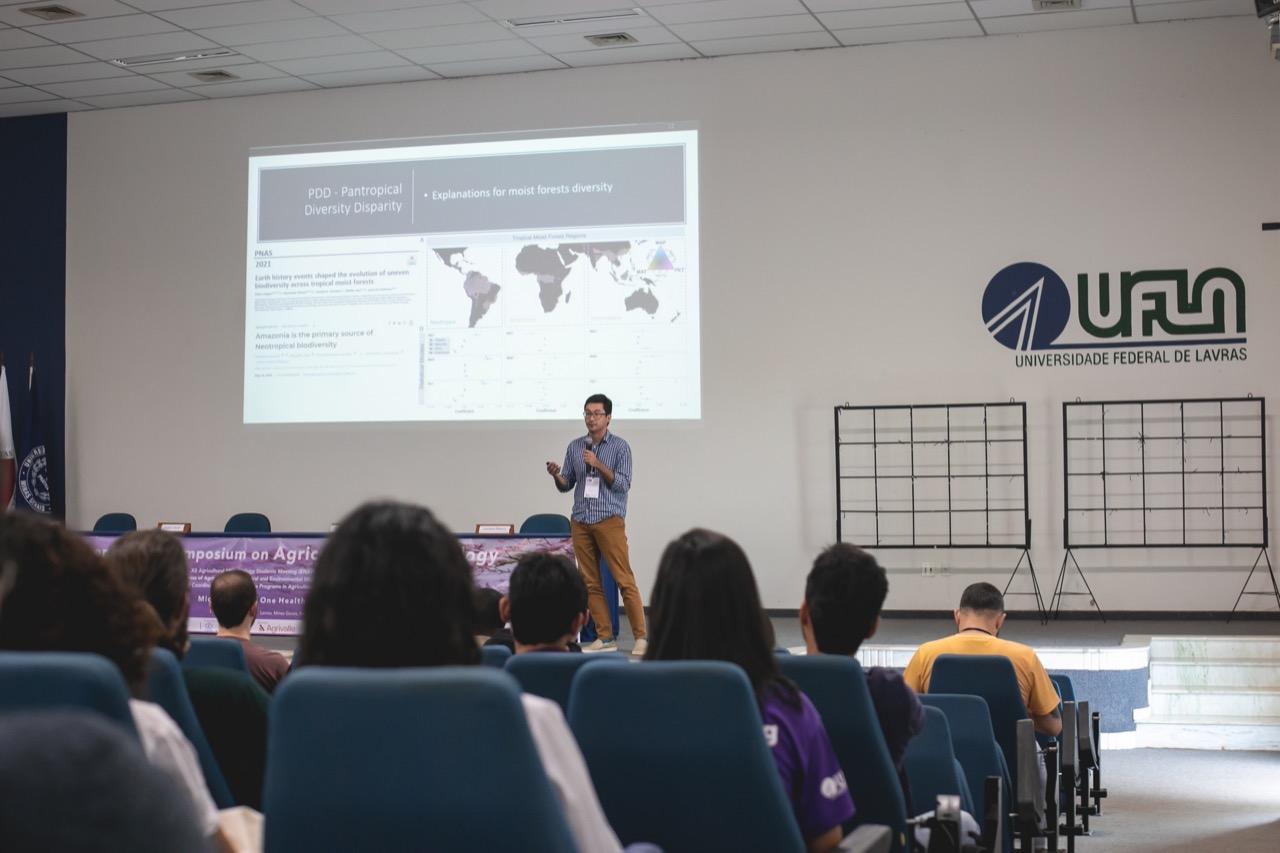
At first, I went to the undergrad program to become a teacher in biology at my home state university. There, I took multiple laboratory internships and even worked at the zoo. I eventually settled at a microbiology lab to work on my final undergraduate thesis about microbial biodegradation of pesticides. This work propelled me to one of the best agricultural microbiology master's programs in Brazil, in the state of Minas Gerais. For this, I moved away from my family for the first time, and it all eventually opened the door to a Ph.D. in microbiology, but also a door to bioinformatics. I learned modern microbiologists need skills in bioinformatics. Thanks to Brazilian funding agencies, I spent one year abroad as a Ph.D. student, learning bioinformatics methods in collaboration with a soil microbiology research group in the U.K.
I hope this description helps someone see that a career path can be quite unpredictable. Briefly, teaching computing has helped me to learn more about computing skills. Also, one must accept that it will be necessary to move around with a career in science, and failing at job applications will happen more often than succeeding at them. So keep applying to all the ones that catch your eye.
What are some typical day-to-day responsibilities you have or decisions you make?
SB: My main responsibilities are downloading the raw sequence data (nucleotides ATGC), storing them in a secure place, and analyzing them through various programs and scripts to get a final usable dataset, which with further treatment, can be used to draw some meaningful biological inferences. If the project belongs to me, I undertake a deep analysis of the data to reach those inferences.