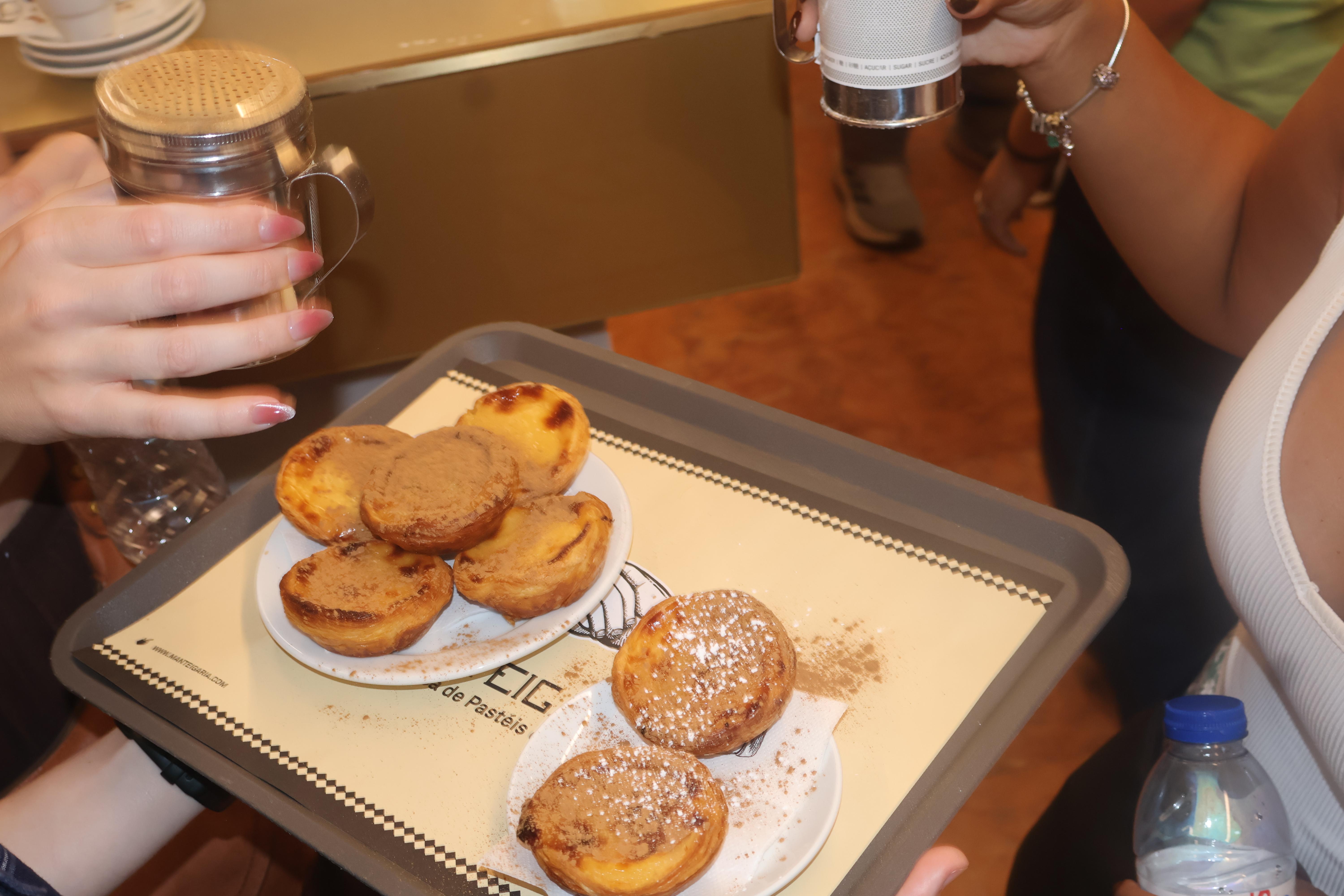
My first pastel de nata was still warm, and the pastry flaked apart as soon as I bit into it. The custard was soft, creamy and sweet without being too heavy. Adding cinnamon gave it even more flavor. I immediately understood why people had told me that I needed to try one in Portugal.
The cooking class made me appreciate the pastry even more. It was exciting to put on an apron, work alongside my classmates and see all our pastéis de nata lined up on trays. When they finally came out of the oven, I felt proud. I was no longer simply eating a famous Portuguese pastry - I had helped make one!
Making pastéis de nata takes more work than their small size might make you think! First, flaky pastry dough is rolled and pressed into small, round baking tins. Then, a creamy custard filling is prepared using ingredients such as milk, sugar, egg yolks and a little flour.
The custard is poured into each pastry shell, and the tarts are baked in a very hot oven. The heat makes the pastry crisp and creates the dark, caramelized spots on top. Once they are ready, they can be eaten warm with cinnamon or powdered sugar. Waiting for them to cool before taking a bite may be the hardest step!
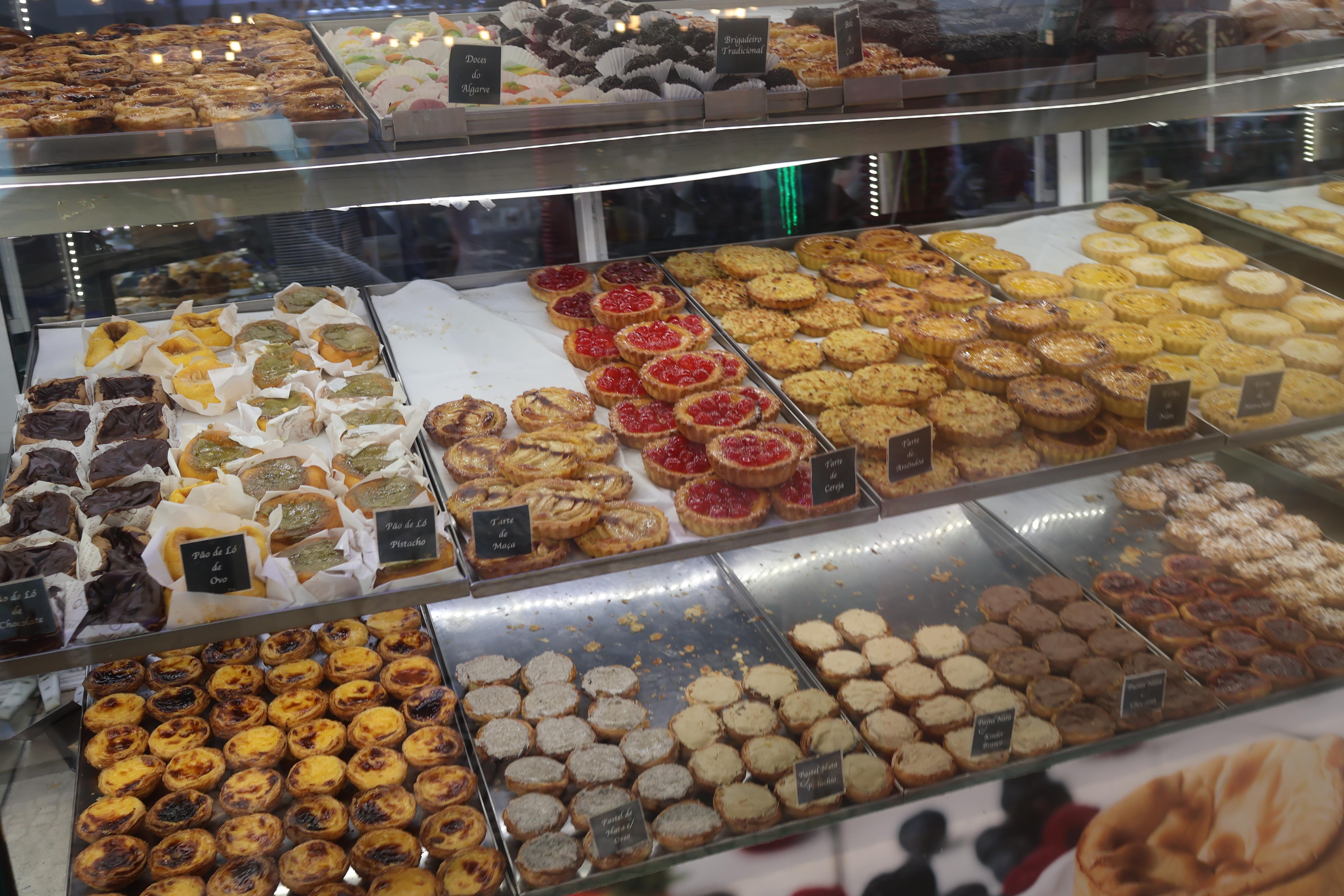
Pastéis de nata are connected more to Portugal’s culture and everyday life than to one ingredient that can only be found there. During my time in Lisbon, I saw them in cafés and bakery windows across the city. People can enjoy one with coffee, share a few with friends or quickly eat one while exploring the city.