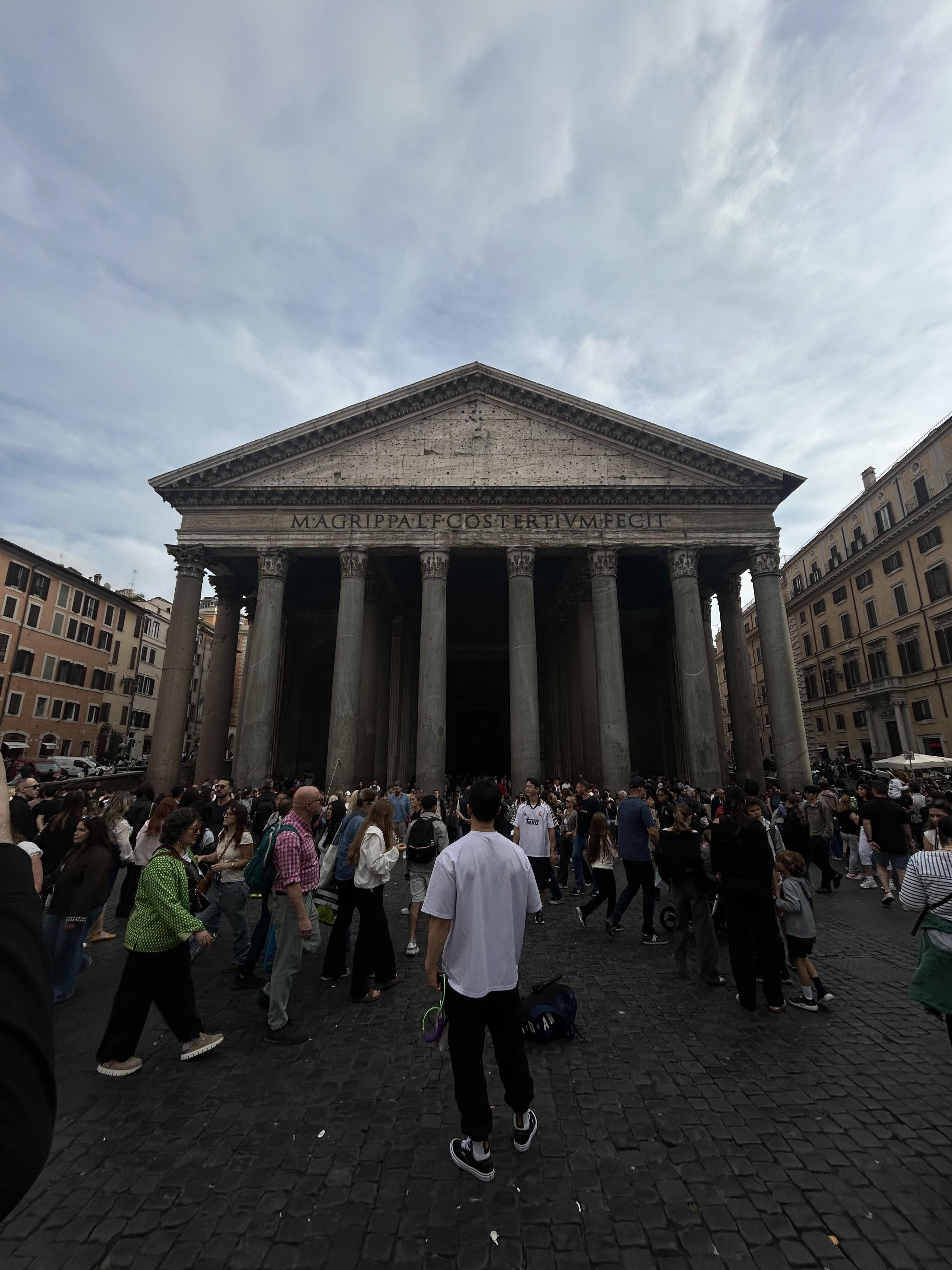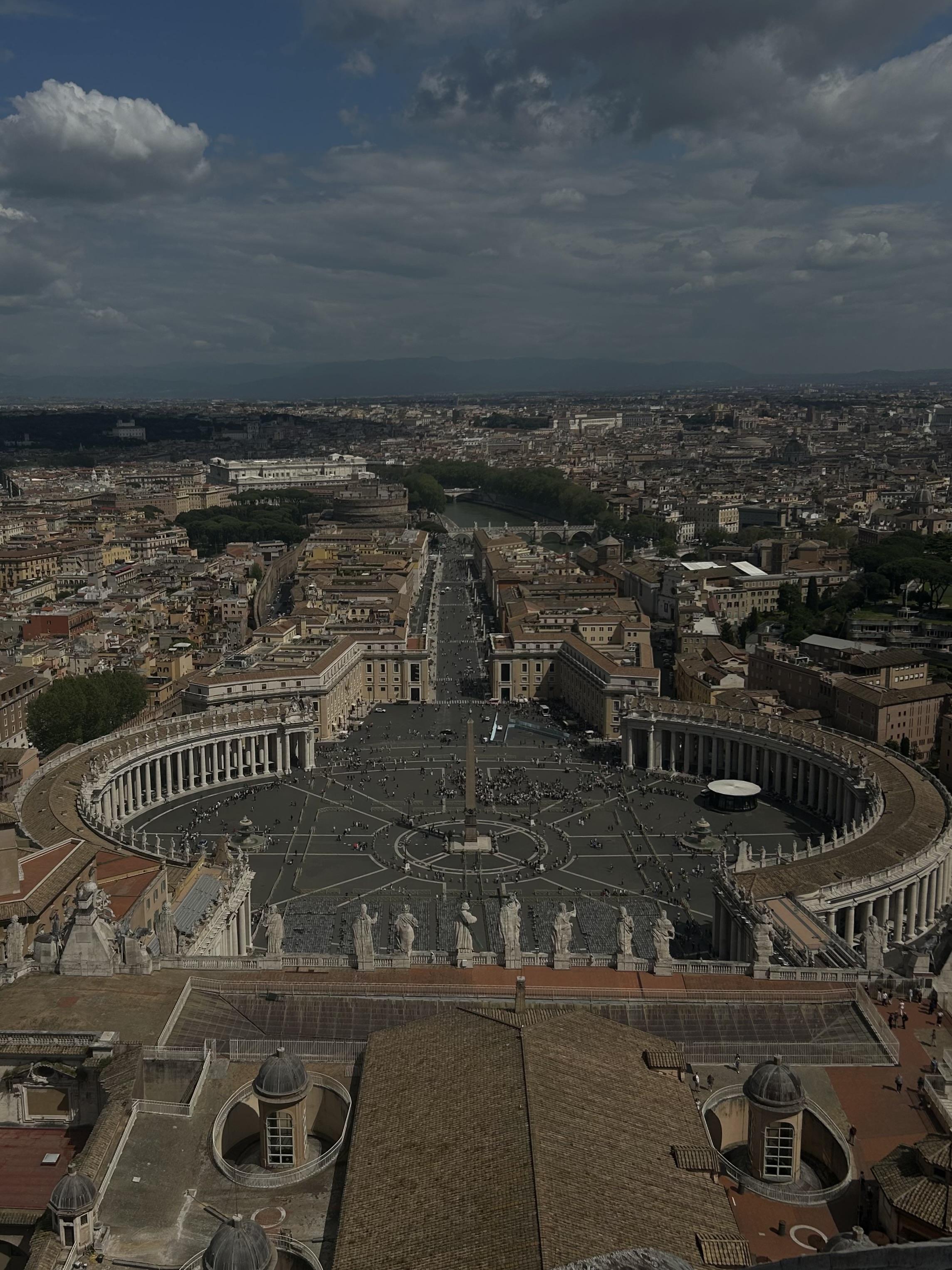
During my time in Italy, one of my university classes has been focused on studying and learning from the piazza (town square). To best understand how piazzas work, we have visited ones in Rome, Florence, Venice, and everywhere in between! Piazzas vary in size and shape, but are usually large public squares in the center of the city, located near prominent landmarks such as a church or palace. They are similar to parks in the United States in terms of their wide variety of public uses in everyday life. Unlike parks, they are usually paved, surrounded by buildings, and have little to no greenery. Piazzas host many traditions, from the daily apertivo (a light meal with friends before dinner in the late evening), to concerts with full stages set up.
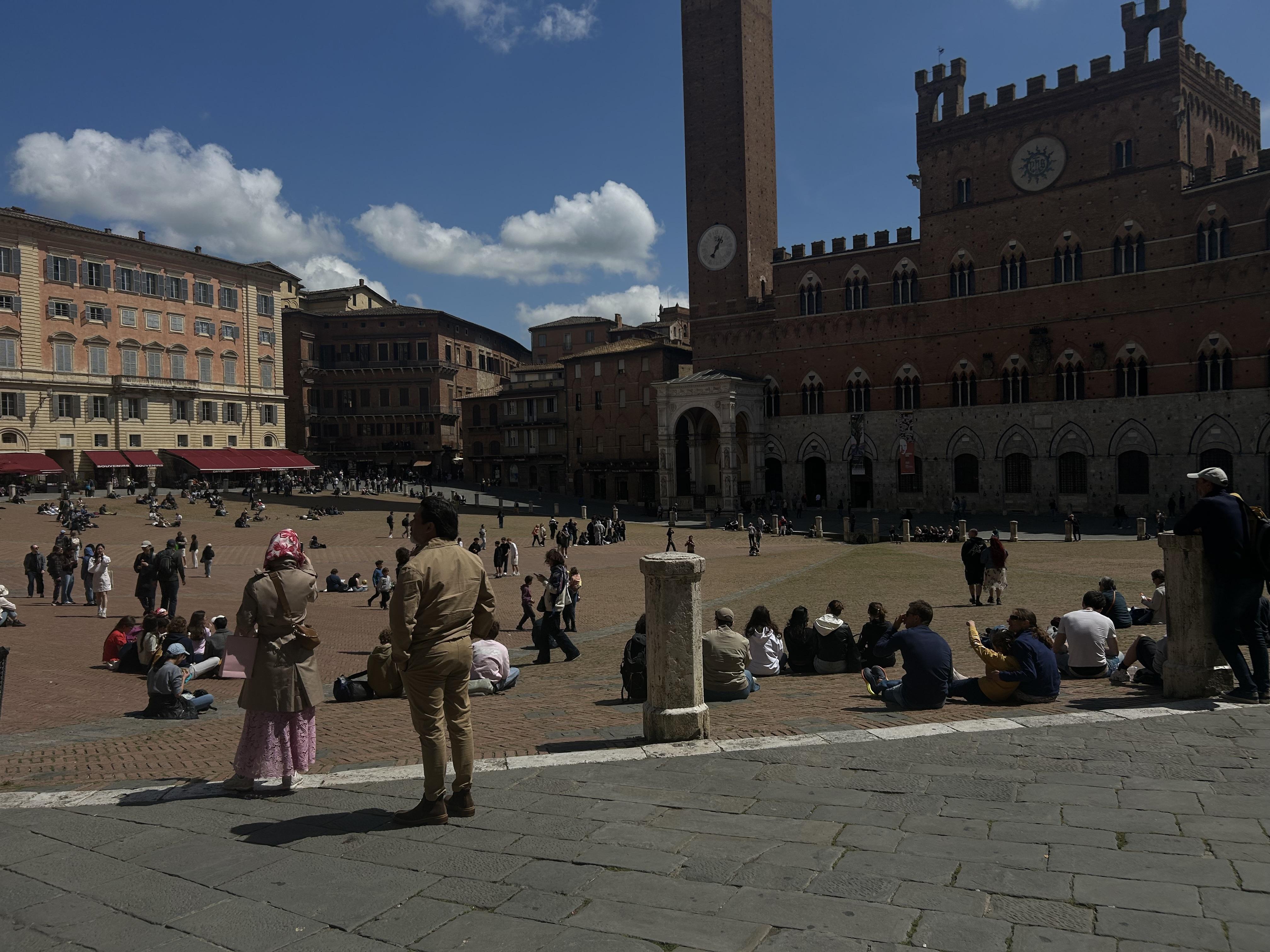
One tradition I learned about during my travel occurs in Siena, Italy. Siena is a small medieval town in the Tuscany region of Italy. In Siena, there is a central, scallop-shaped piazza called the Piazza del Campo. It is in this piazza that an important tradition known as the Palio di Siena occurs twice a year. Each summer, on July 2nd and August 16th, the Palio takes place. It is a horse race around the edge of the Piazza del Campo, featuring ten citizens riding bareback (without a saddle) on their horses.