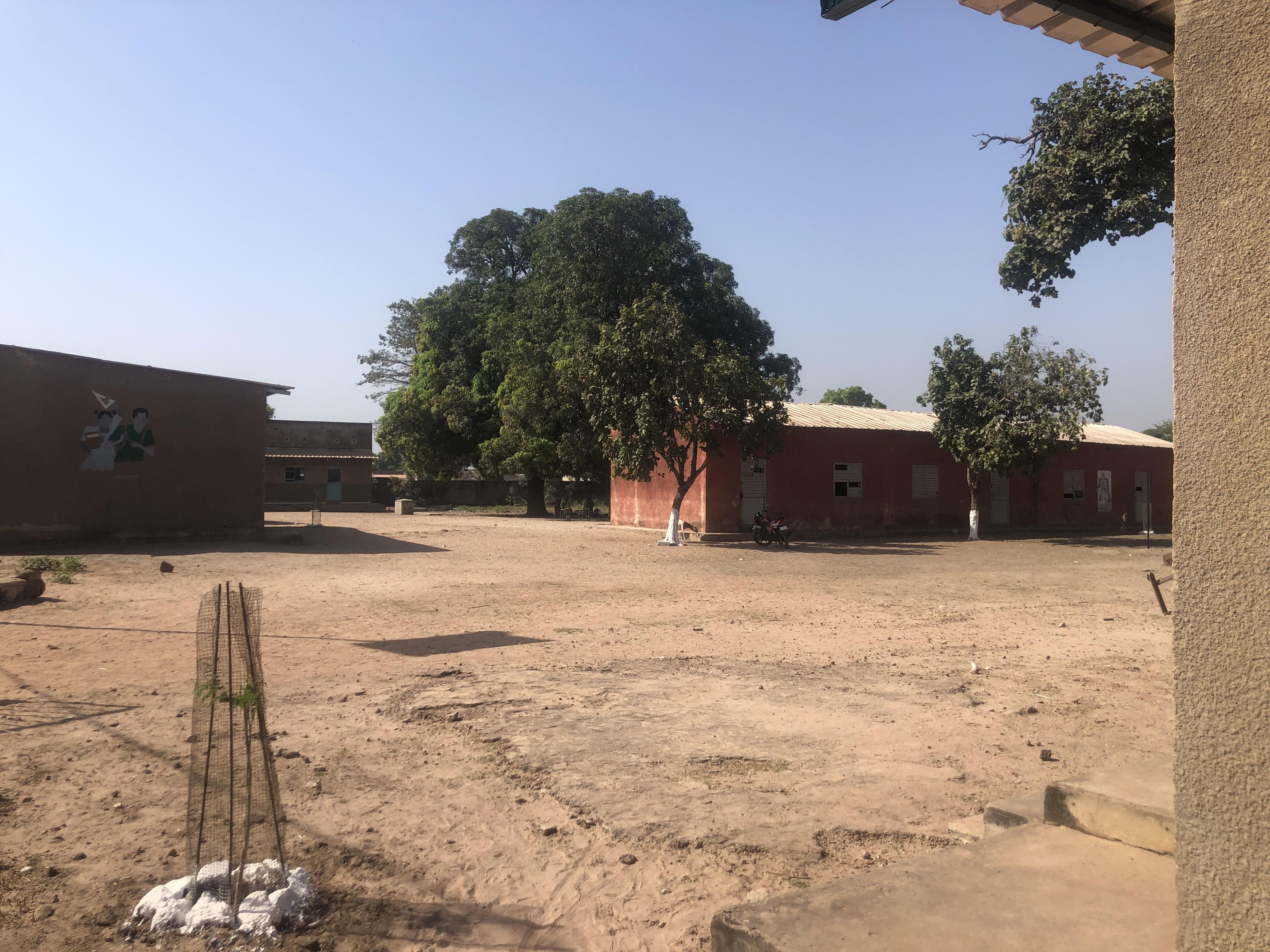
If they're in kindergarten, their parents are required to pack them something to eat, but this is usually only a small bag of cookies. In middle and high school, students might purchase a sandwich on the school grounds.
There are sandwich sellers right outside the classroom door and some of these sellers may even be fellow students who are trying to start their own small enterprise. Lunch is around 3 p.m. so sutdents will probably be back home for that meal. Some school systems around Senegal have partnered with NGOs to provide school breakfast for the students. USAID used to do a protein food program with our elementary school.
Conclusion:
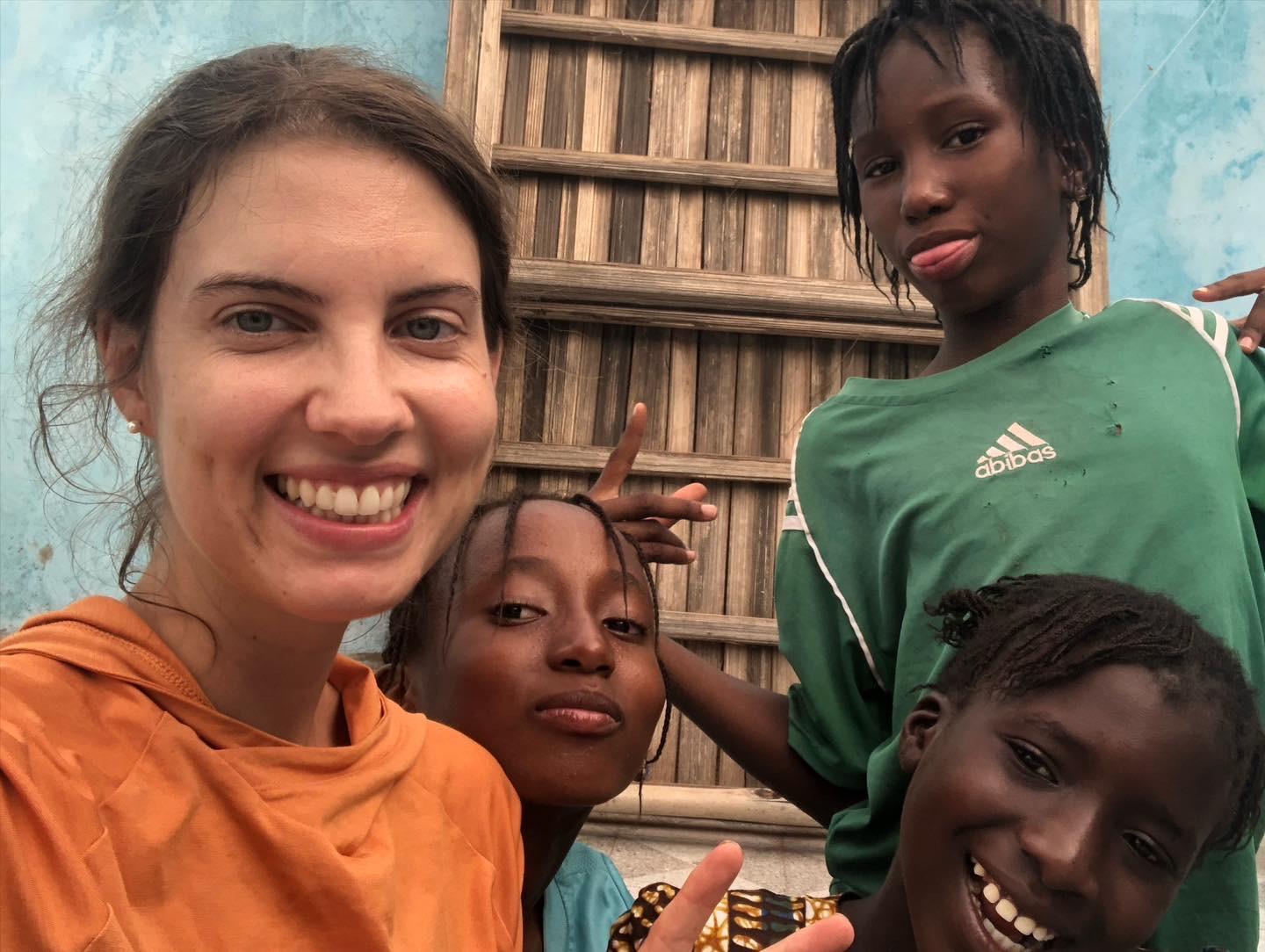
Education in my community is very much a choice on the part of the family, who must decide if it is a priority for the children in their home. Sadly, this is often reflected in the fact that the boys in the home are put in school, and the girls are not. Though this has been changing slowly over the years, in rural Senegal this is still a big challenge, as gender norms and societal expectations are hard to change.
The representation of women in jobs at the local health clinic and the schools is proving to be a wonderful example for girls, showing that they too can gain an education and put it to good use.
(The contents of this blog post are mine personally and do not reflect any position of the U.S. Government or the Peace Corps.)