But I quickly came to an important realization: these experts shared my passion and were eager to teach me. I didn't need to know everything when I walked through the lab doors. I just needed to be willing to learn.
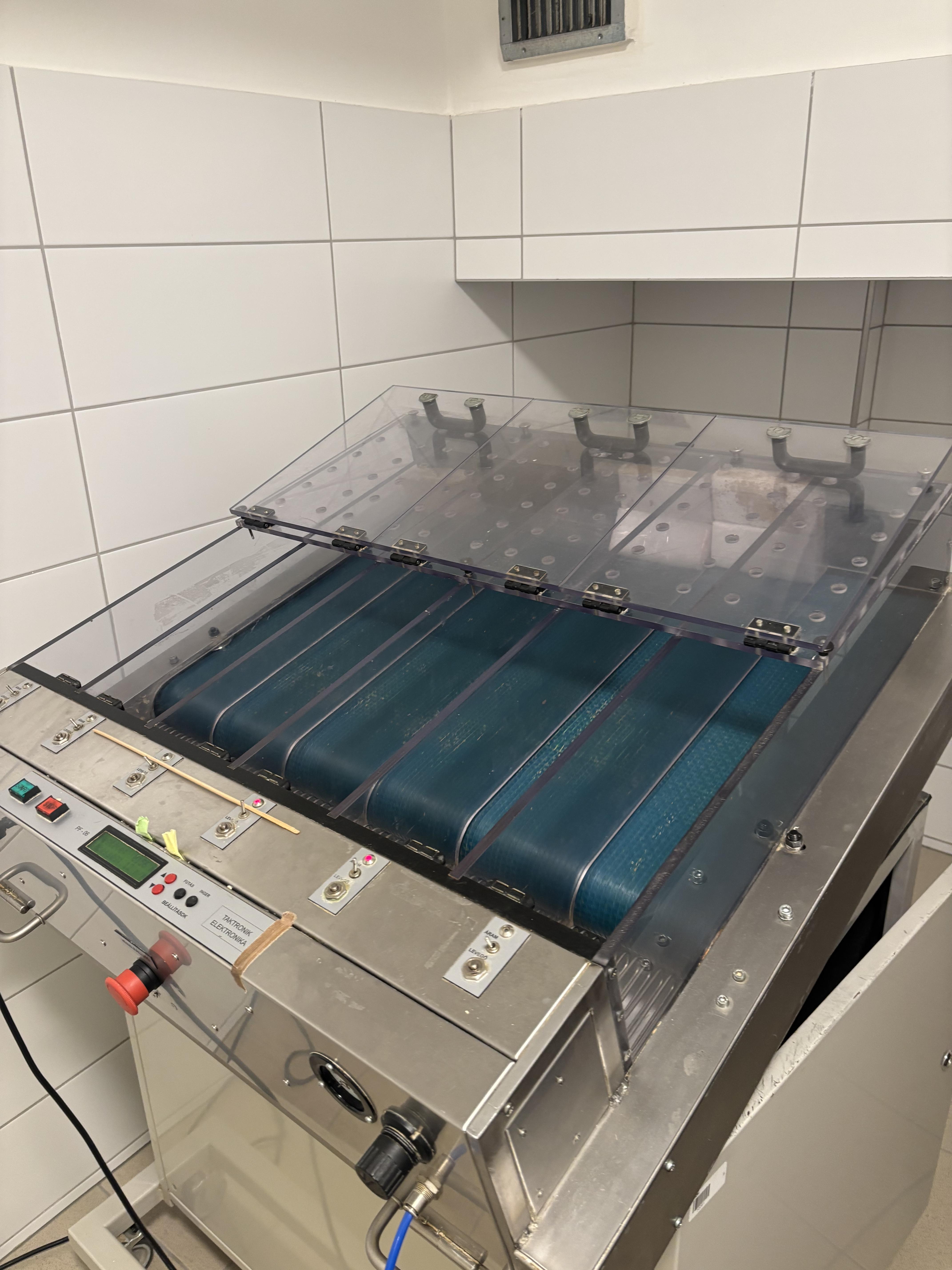
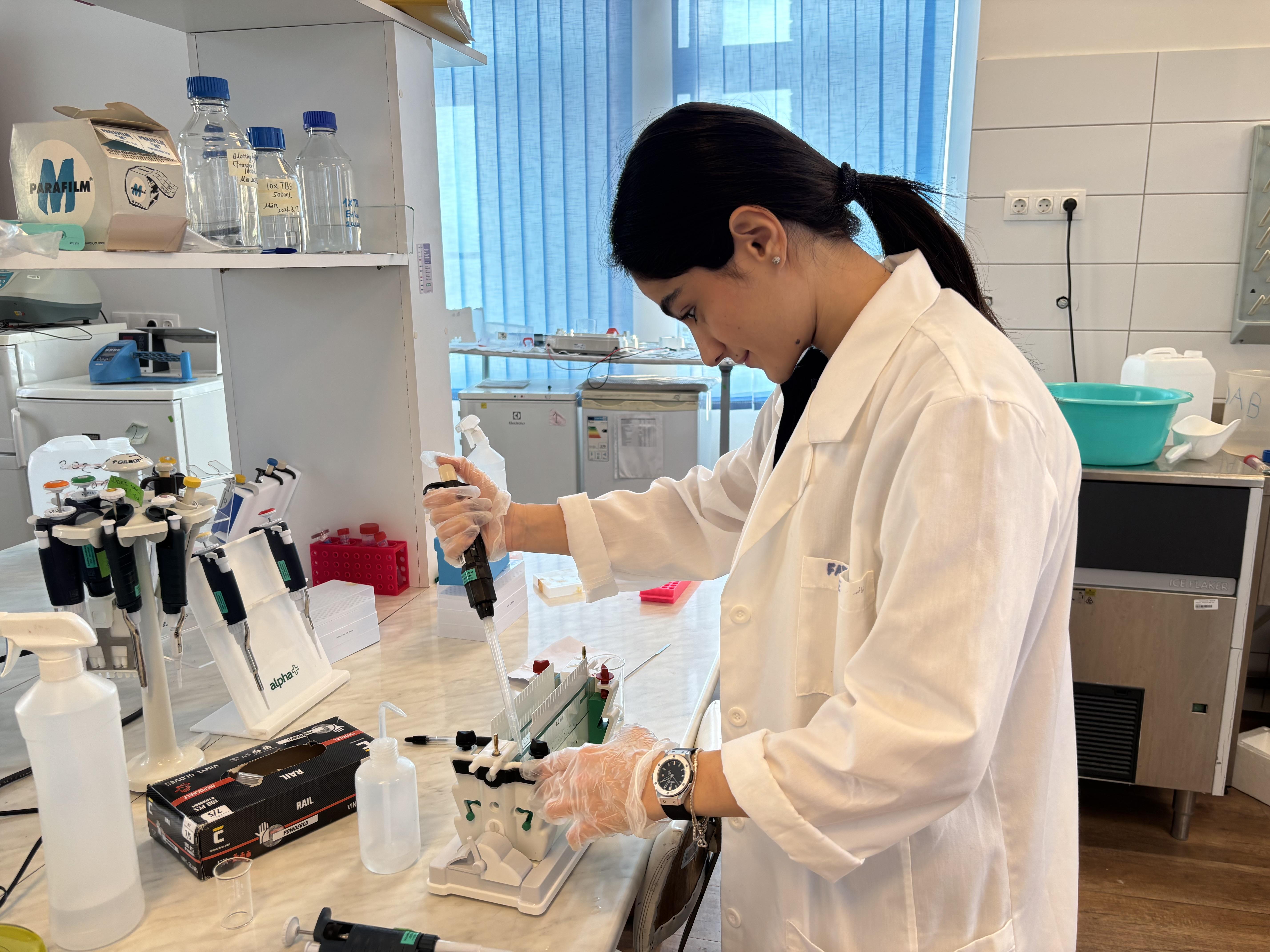
I have now been working at the Hungarian University of Sports Science for almost three months, and I cannot believe how much I have learned! I've had the opportunity to help with several different research projects. One of them involves studying tissue samples from different groups of rats. There is a special group of rats called "High Capacity Runner" (HCR) rats and another called "Low Capacity Runner" (LCR) rats. You can think of the HCR rats as naturally being better runners, with greater endurance, while the LCR rats have a harder time running long distances. Scientists study these groups to understand how genetics and natural differences in athletic ability affect the body. We also look at how the body processes different chemicals produced during exercise and aging. This project involves spending lots of time in a traditional laboratory, running tests, measuring samples and performing different laboratory techniques.
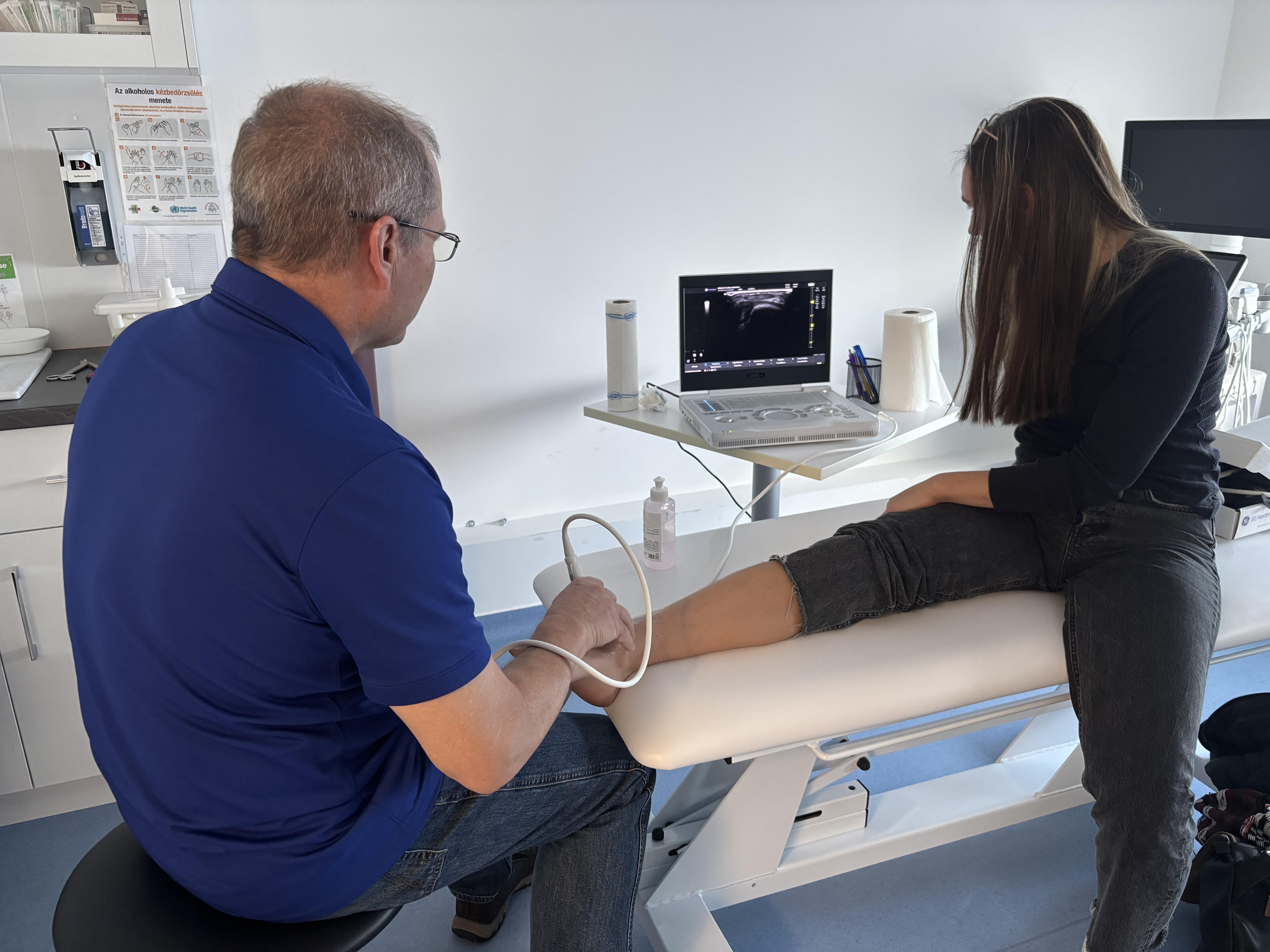
The other project I've been helping with focuses on what happens to our tendons after strenuous physical activity. Tendons are the strong structures that connect our muscles to our bones. They play an important role every time we move, run, jump or lift something. In this project, we measure tendons at several different points: before an activity, immediately afterward, 24 hours later and finally 72 hours later.