Family members often participate for generations making it a family tradition, it can also be used to honor loved ones, and it can be done to demonstrate one’s devotion.
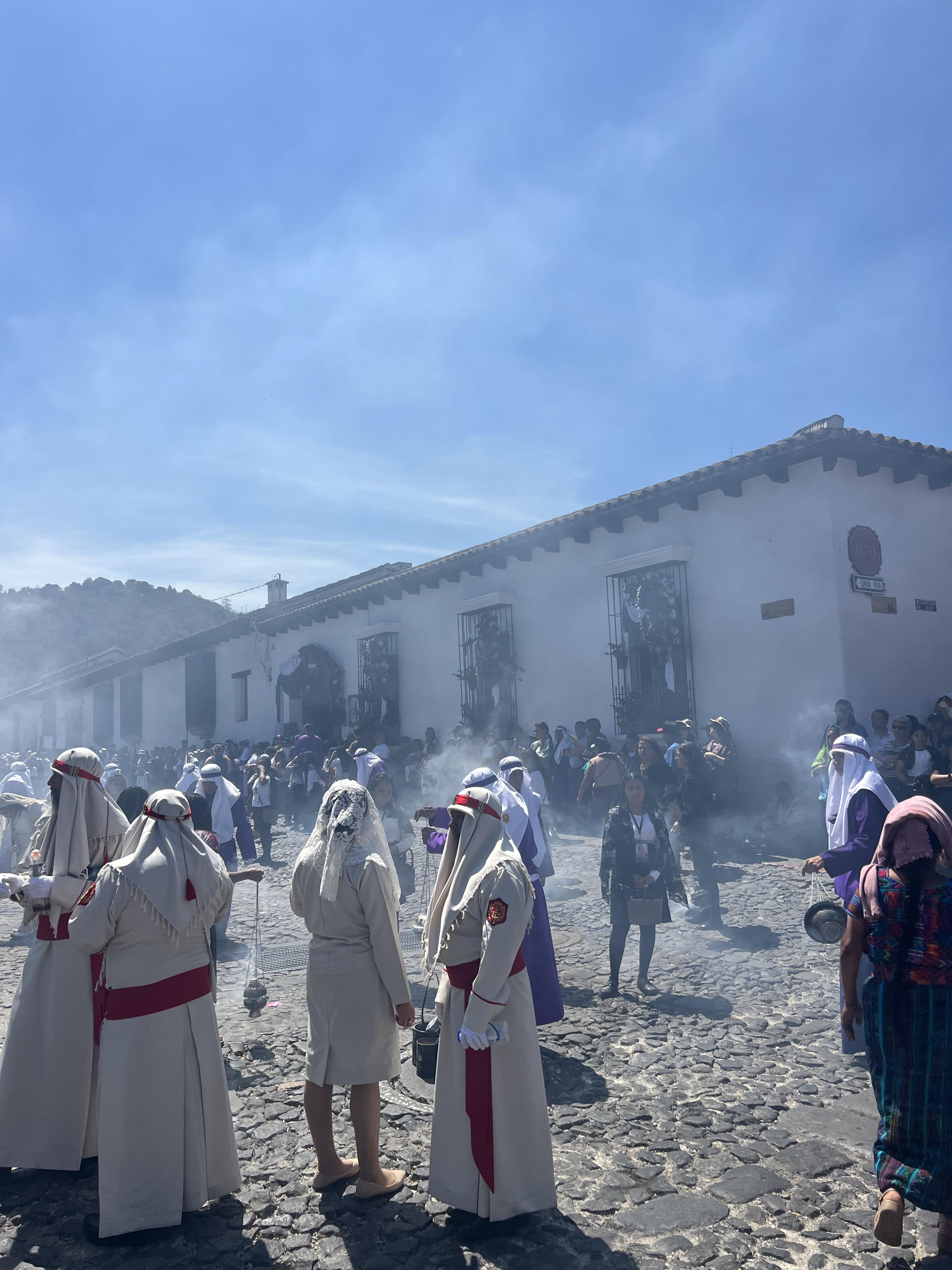
Semana Santa has its roots in Spanish colonization during the 16th century. Over time, the traditions have changed and become a combination of Catholic and Indigenous cultures. Indigenous influences include the burning of incense during processions and the traditional textiles that are worn and used to decorate the floats. Traditional foods have Indigenous, other cultural, and Spanish influence. Tamales de elote, a popular dish, for example, are tied to Indigenous influences.
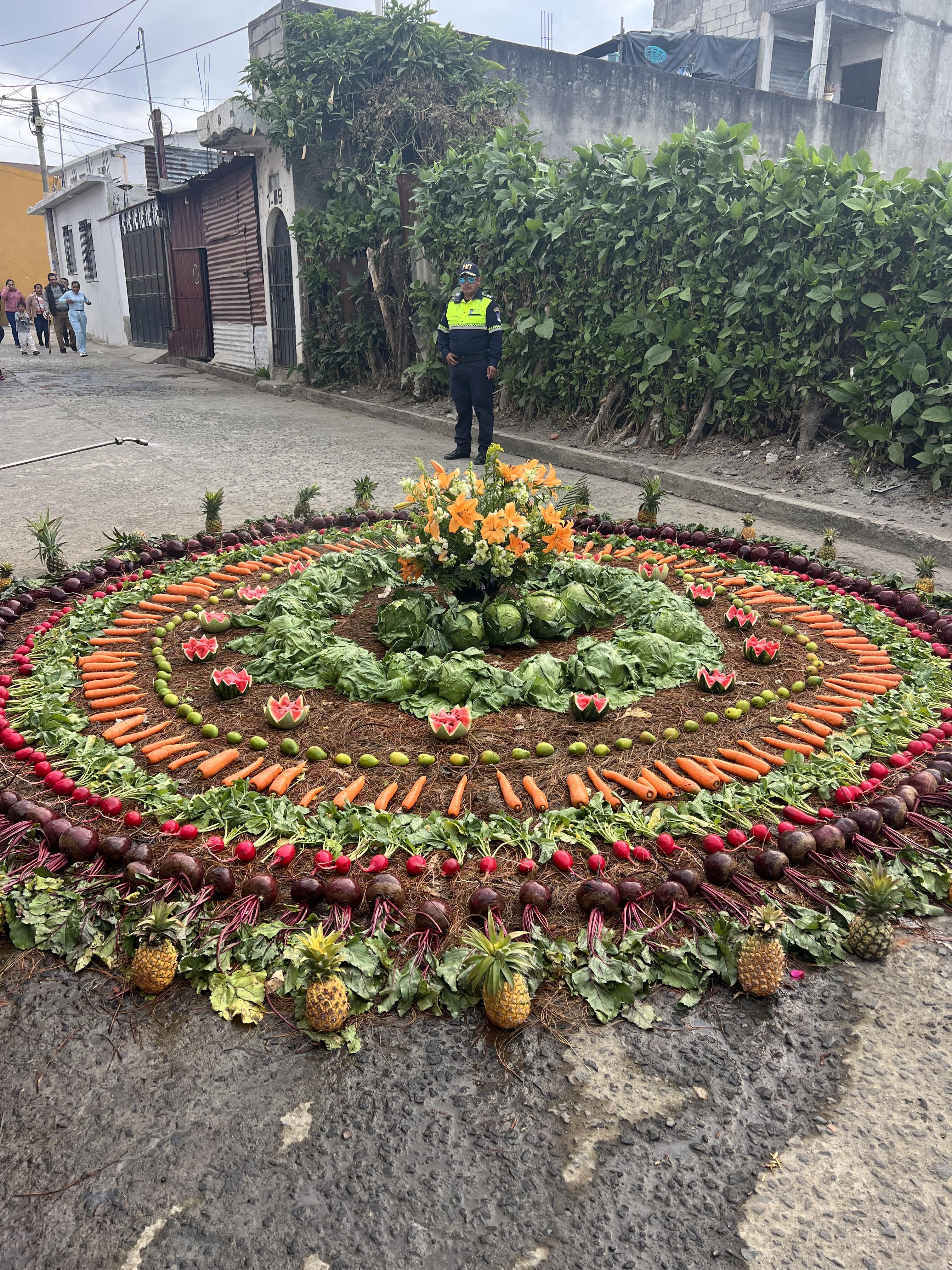
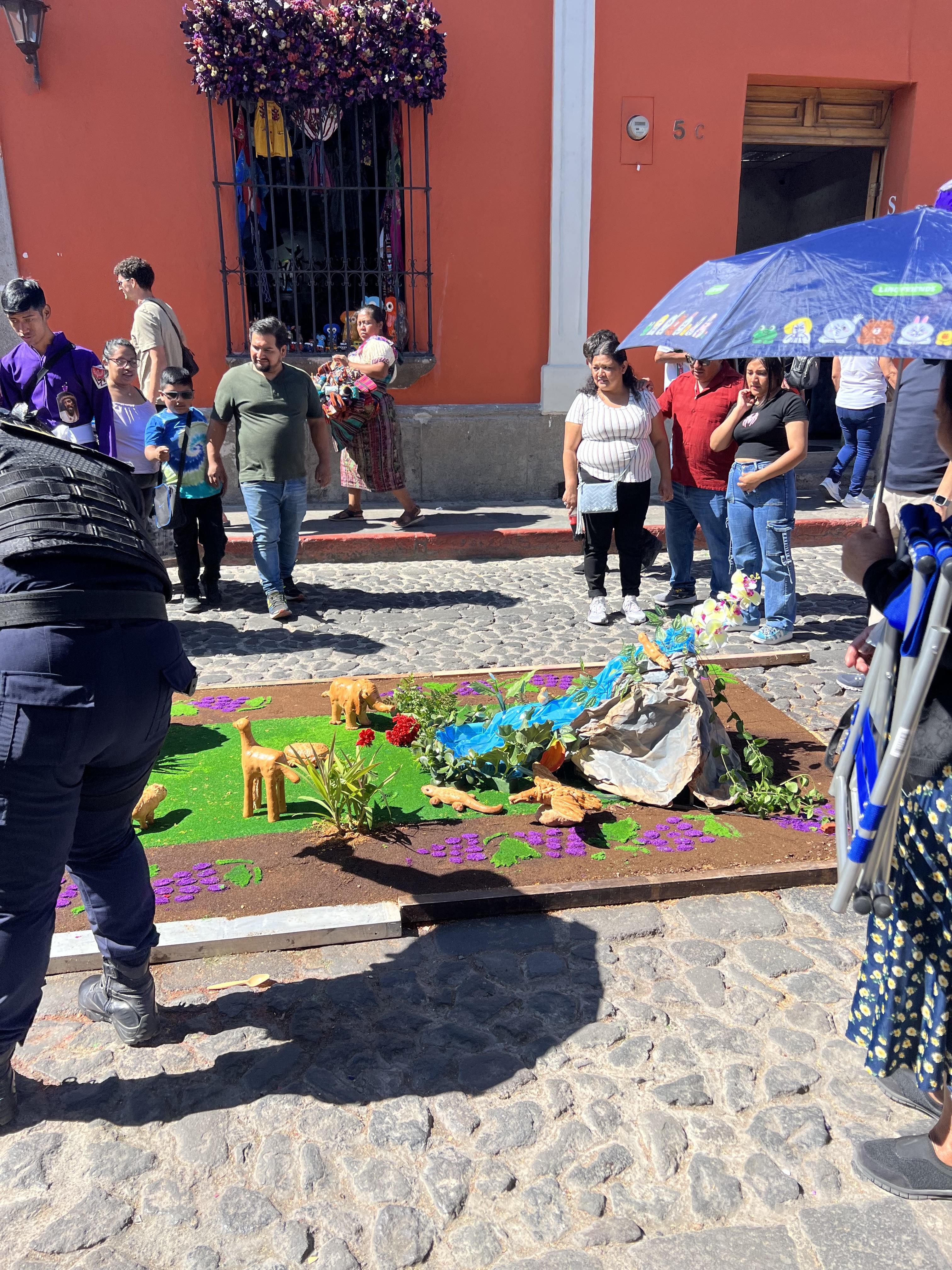
Yes! Semana Santa is tied to the environment largely because of the alfombras. The alfombras are created with colorfully dyed sawdust and often other natural materials such as flowers, pine needles, food, and other plants and produce.