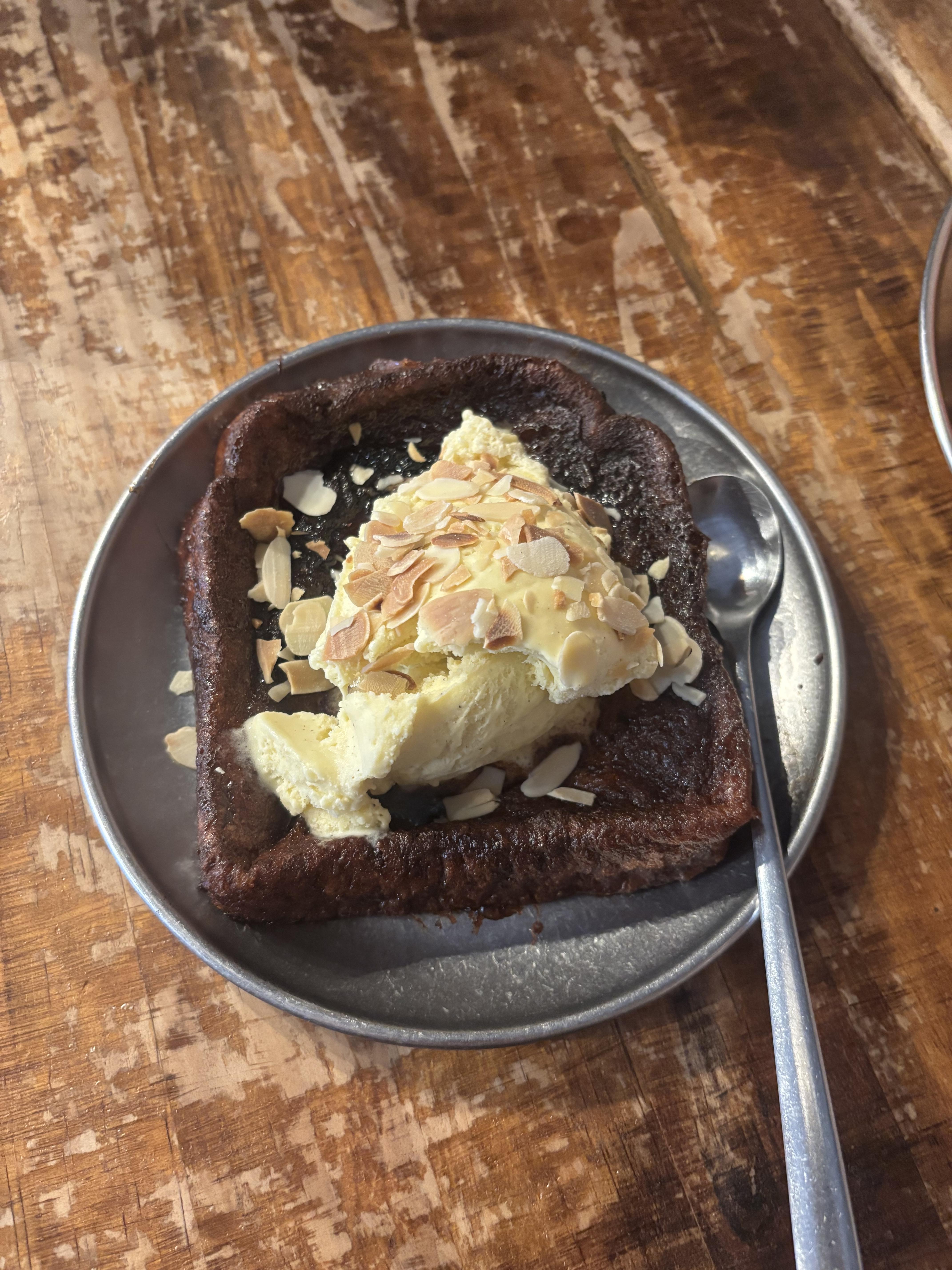
People will eat potaje de garbanzos a la madrileña (chickpea stew with spinach, cod, potatoes and a hard-boiled egg), and torrijas (the french-toast like bread I discussed in my previous article). Where I will be visiting, in Málaga and Toledo, Spain, there will be many different processions each day and plenty of regional foods to try like guiso de jabalí (wild boar stew) in Málaga, and marzipan (almond and sugar candy) in Toledo.
Spain has the tradition of Semana Santa because of a long history of Christian and Catholic religious practice throughout the country. There are many large, beautiful churches and cathedrals all around Spain with colorful stained glass, carved stone, and meaningful art and statues.
The tradition of Semana Santa is connected to the Spanish environment. The warmer spring weather in March and April, blooming flowers, special foods, and large amount of tourists have shaped the tradition into a vibrant display of culture. Andalusia is the southern part of Spain with lots of Arabic influence, deserts and beaches, and warmer weather. Here, Holy Week is very colorful and celebratory. Castile and León are the north-central parts of Spain with Celtic and Iberian influence, greenery and mountains, and more snow and rain. Here, Holy Week is much more somber and reflective.