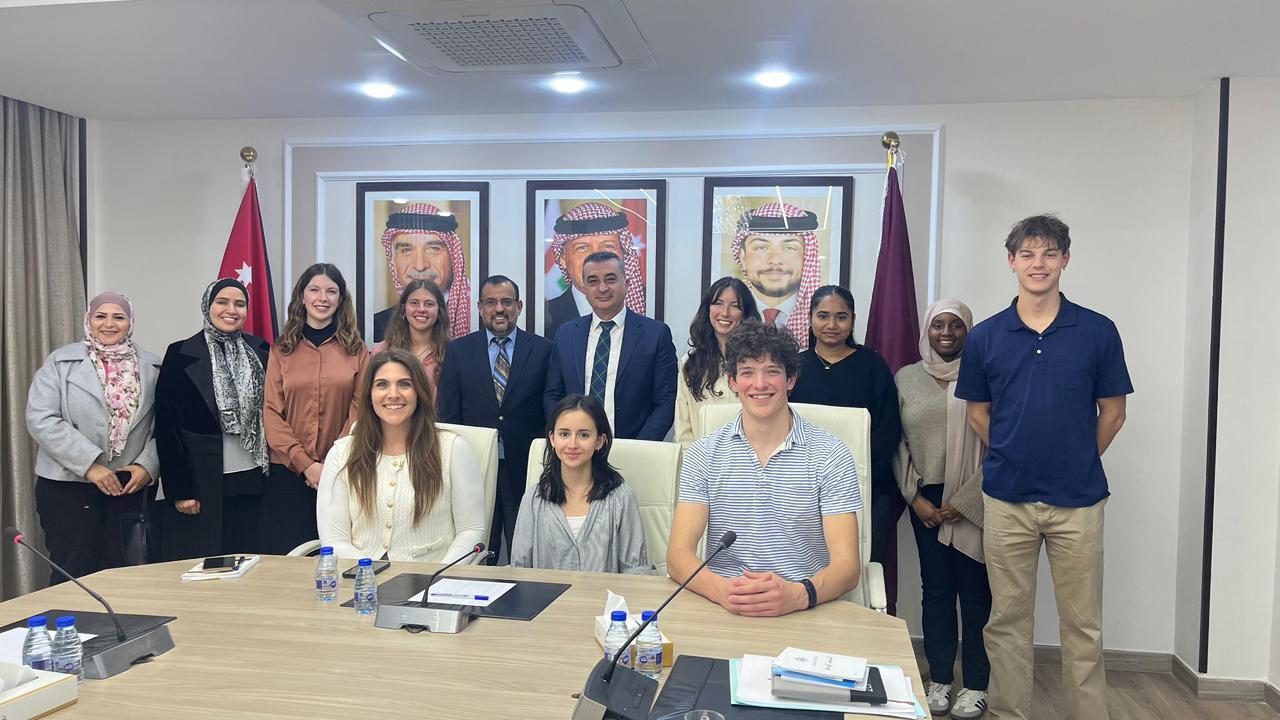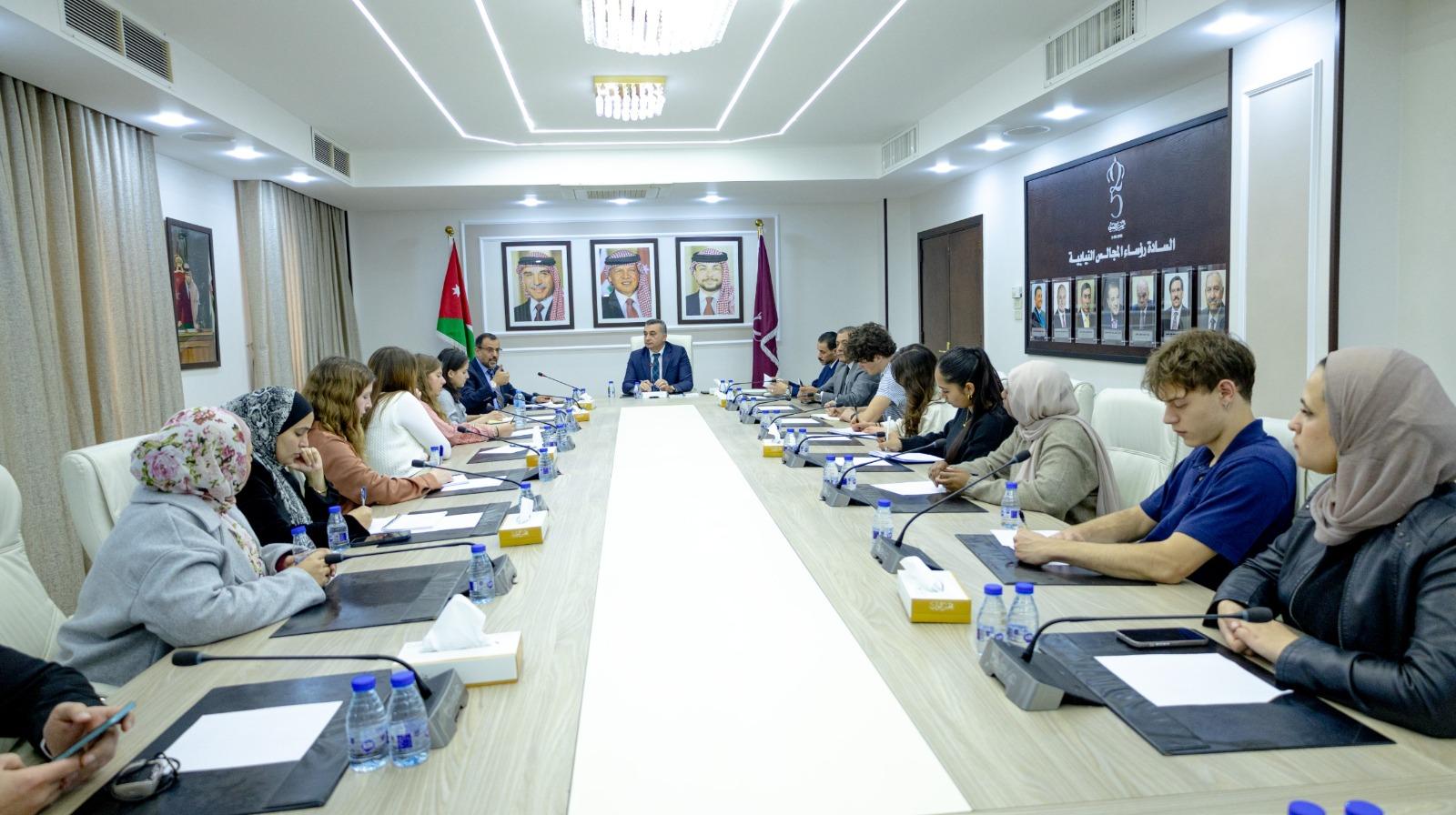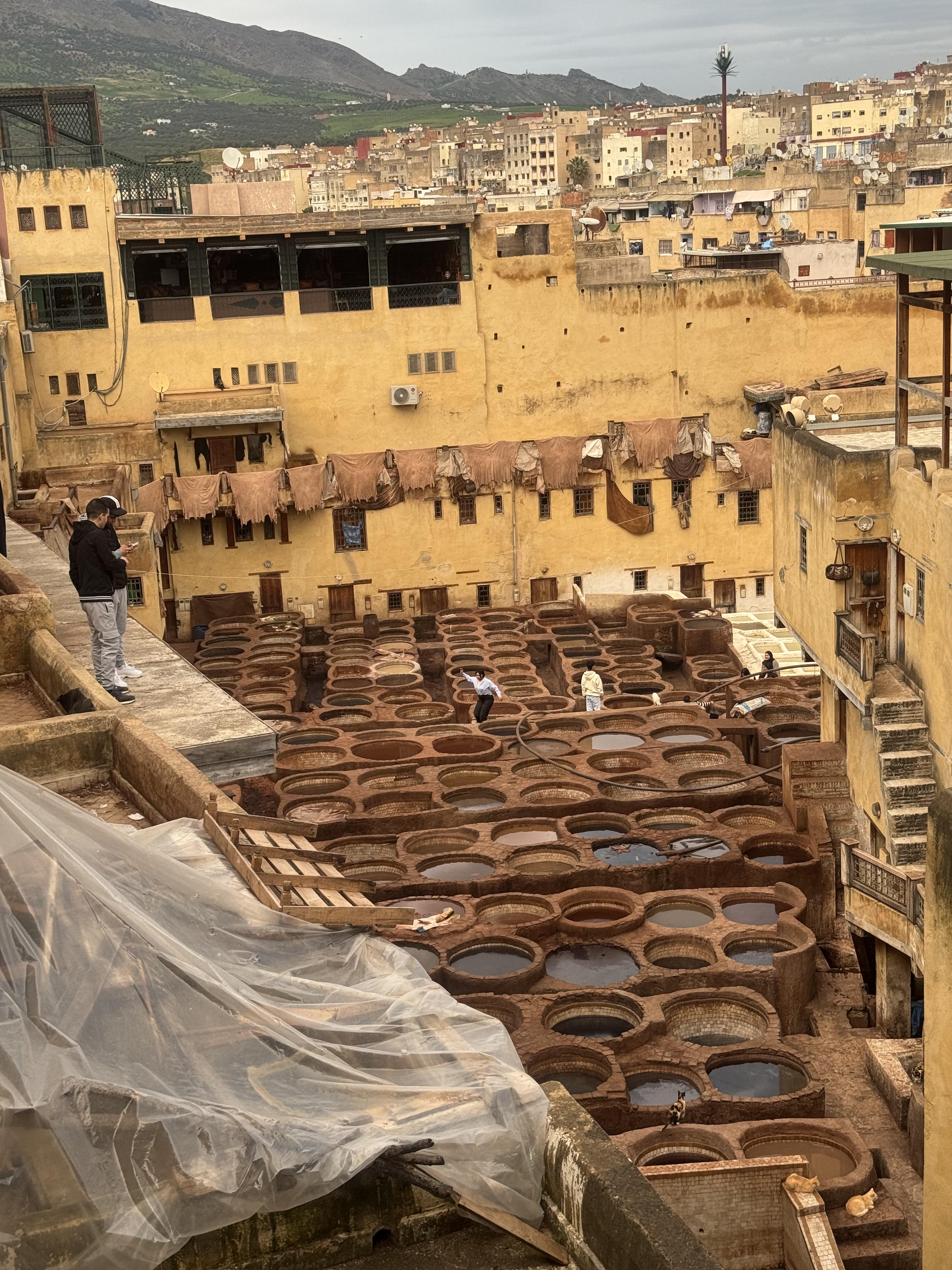
The Middle East and North African (MENA) region has a long and complicated political history that still shapes how this region interacts with global powers like the United States today. From my experience, what stands out most is how important it is to look beyond headlines and really understand each country’s perspective, its history, its challenges and what it prioritizes. For example, Jordan plays a particularly important role in the region. Because of its location and relative stability, it has become a home for many refugees from neighboring conflicts. At the same time, Jordan is constantly balancing its relationships with nearby countries and Western allies, working quietly but consistently to maintain stability in a region that often feels unpredictable.
Looking more broadly, countries across the region take very different approaches to global politics. Morocco, for instance, tends to maintain strong relationships with Europe and the United States, while also navigating its place within the region. Turkey plays a major role as well, both politically and demographically (it hosts large refugee populations), while also pursuing its own regional ambitions.