Students became the driving force behind the demonstrations, organizing protests that spread throughout the country and attracted participation from teachers, professors, farmers and ordinary citizens. The scale of the demonstrations was extraordinary, with hundreds of hundreds of thousands of people taking to the streets in some of the largest protests Europe had witnessed in decades.
What made the movement particularly unique was its decentralized structure. Rather than appointing a single leader, students emphasized collective decision-making, public assemblies and democratic participation. Their approach reflected a desire to build something entirely different from the political structures they were protesting against. When the movement eventually put forward its electoral list, many of its candidates were academics, professionals and ordinary citizens without established political careers or previous political experience. Their appeal rested largely on their stated commitment to public service, institutional accountability and a different future for Serbia.
The election victory was about much more than a change in political leadership. For many Serbians, it represented the culmination of nearly two years of organizing, protesting and demanding greater accountability from those in power.
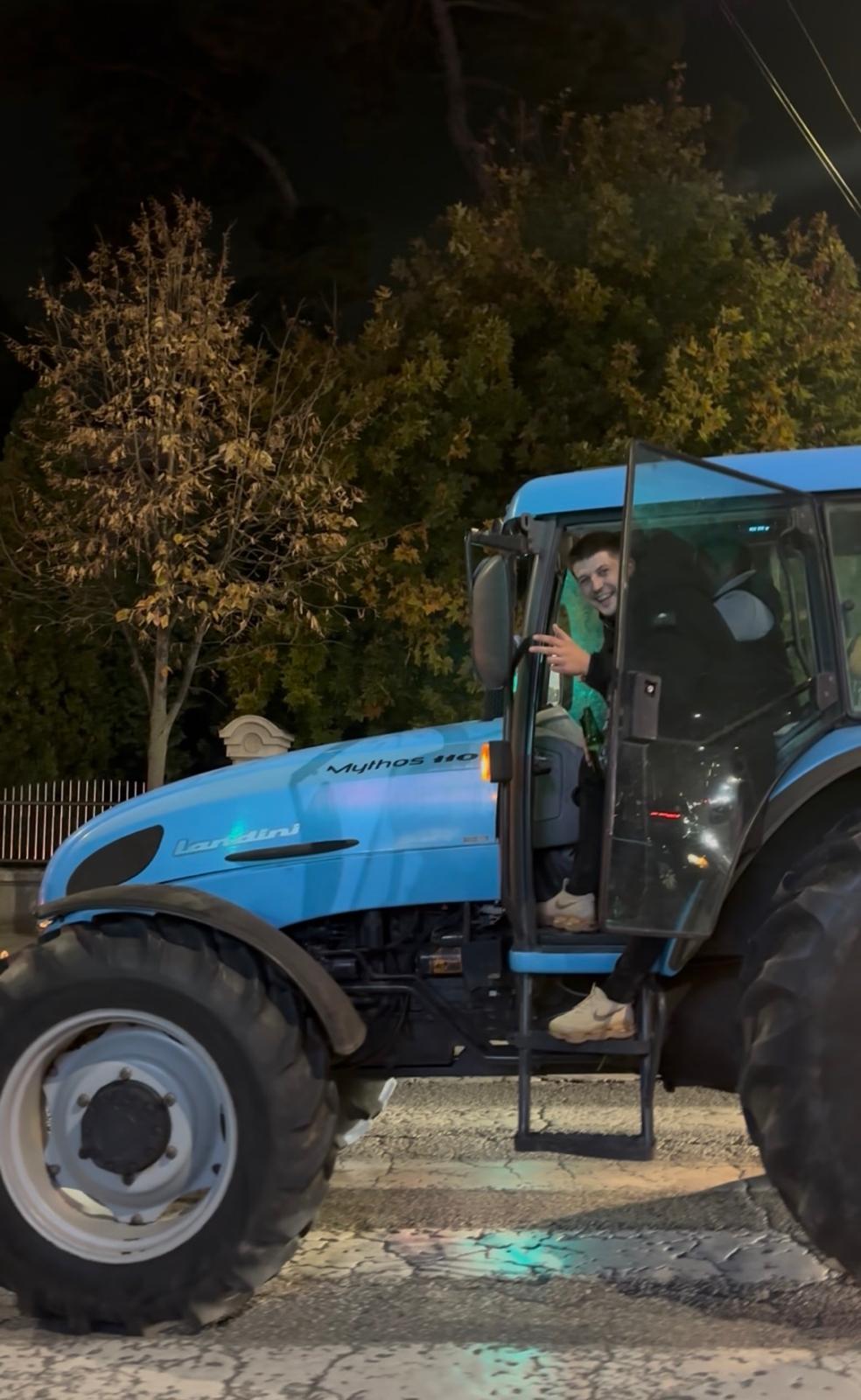
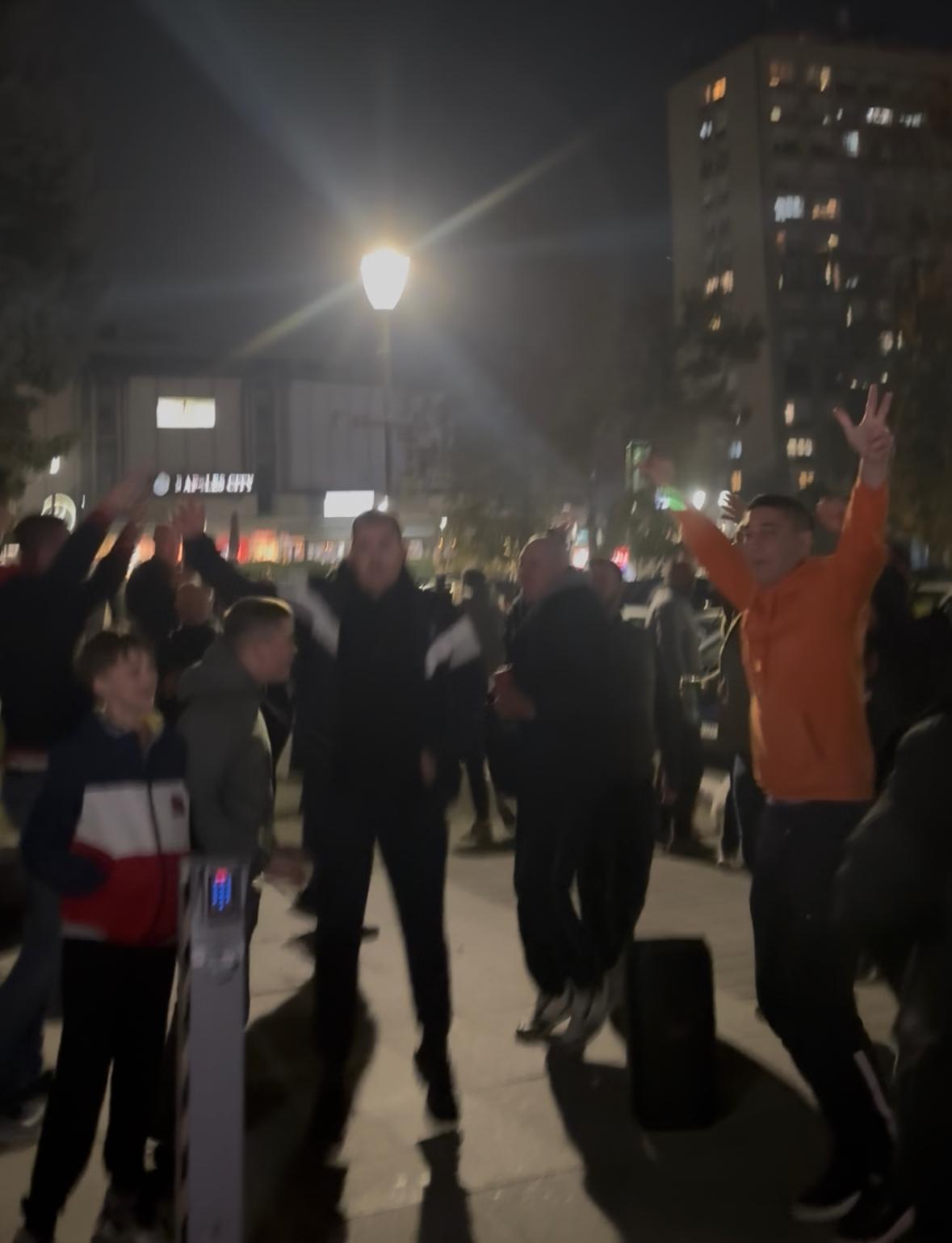
I will never forget the moment the election results were announced. I was on my way home to Kragujevac from Niš in a BlaBlaCar, a popular form of transportation in Serbia where passengers book shared rides between cities. Suddenly, the atmosphere on the street began to change. While walking home from the drop off point, drivers started enthusiastically honking their horns, shouting and leaning out of their windows. At first, I was incredibly confused.