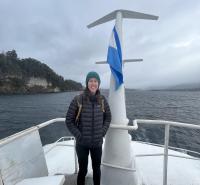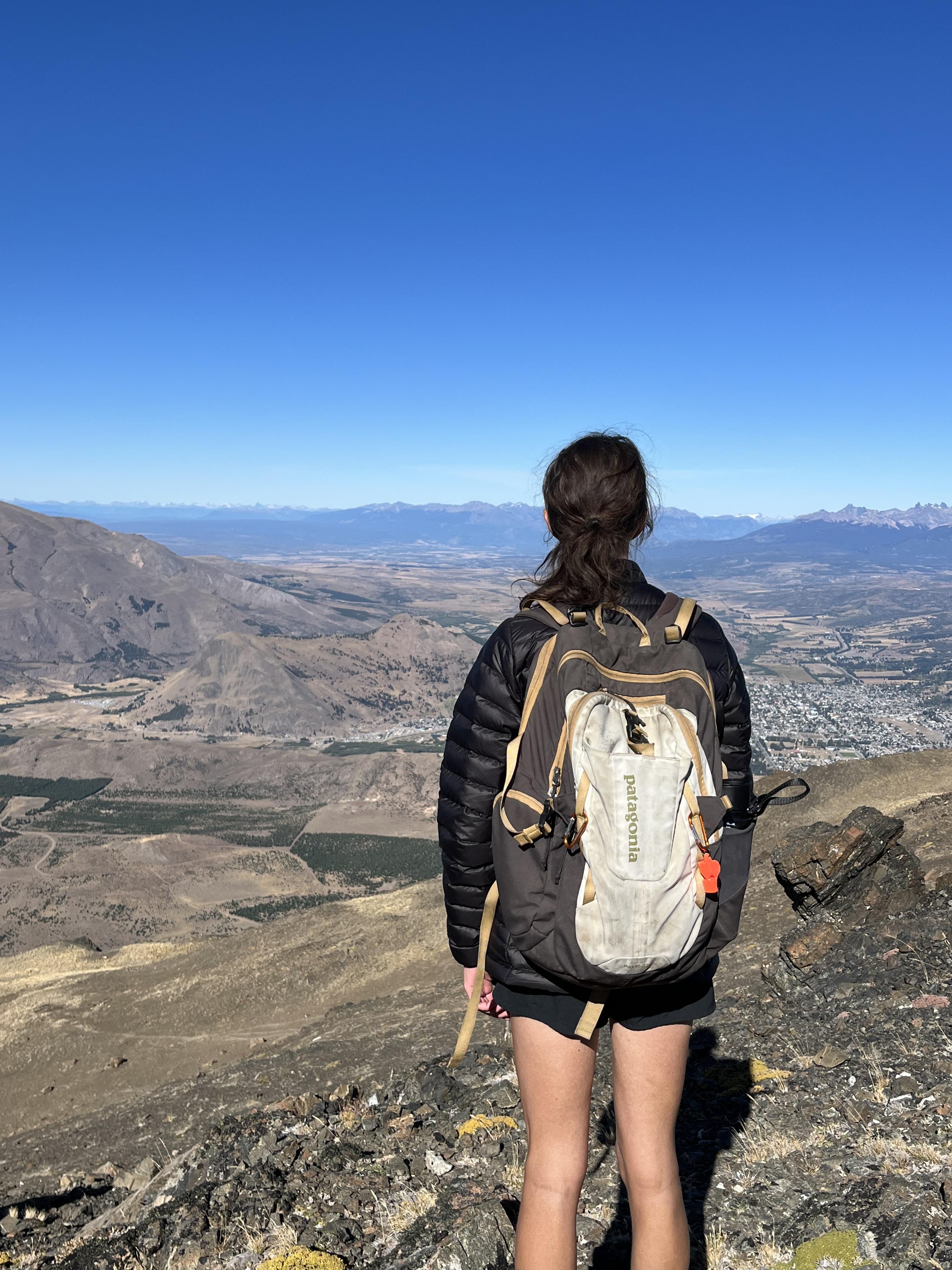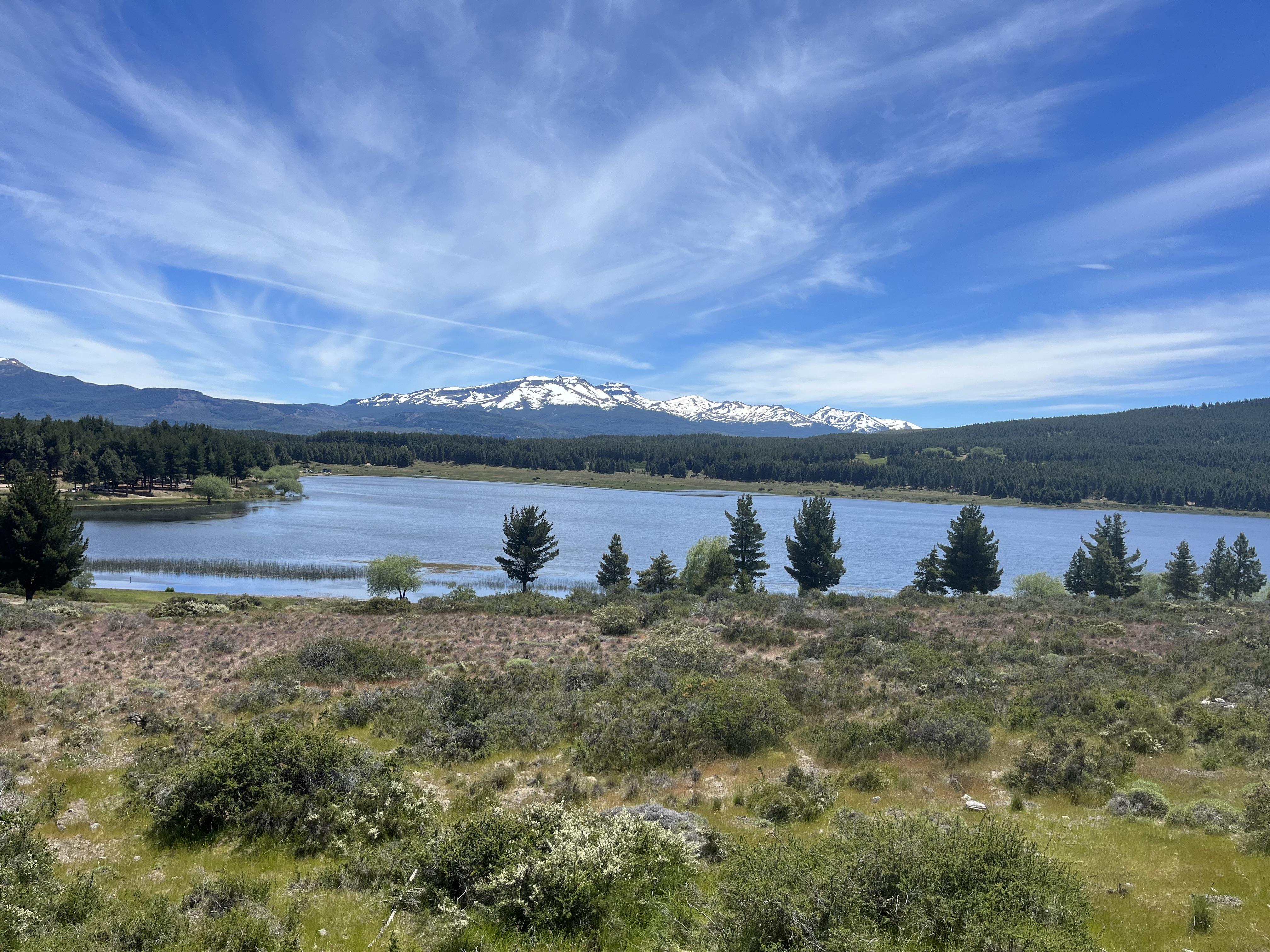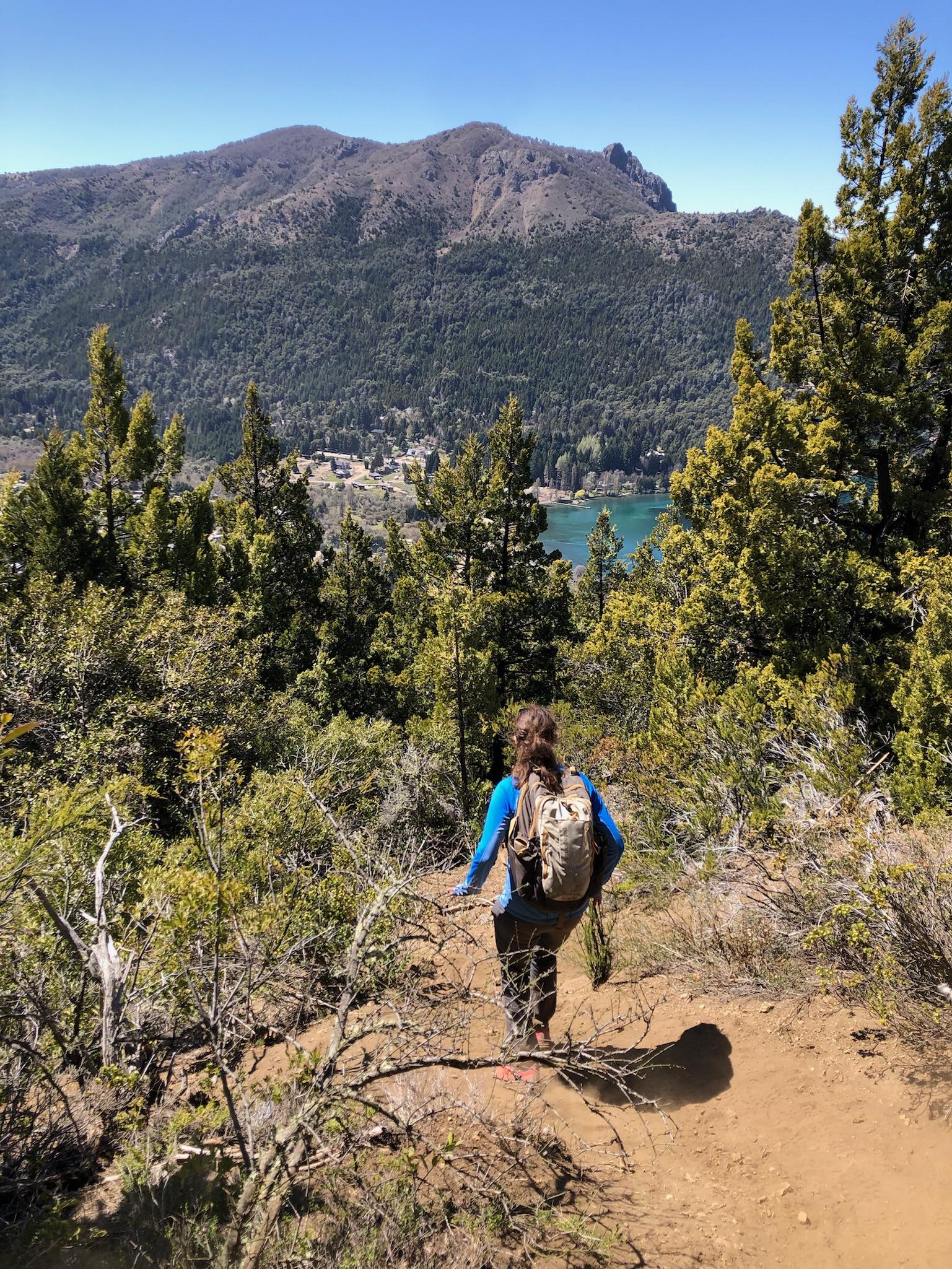
When you think of Patagonia, what do you picture? Many Americans from the U.S. picture mountains, forests, rivers, glaciers and other beautiful natural features. And it’s true. The landscape is not only an important part of what makes Patagonia unique, but it greatly impacts the way of life in this region. You’ve read in my previous posts about how the natural environment influences language, instrument making, song and food traditions.
Today, many of these iconic natural features are endangered by large-scale human activity. There are many natural resources in Patagonia, including petroleum and gold, and mining companies are interested in extracting these resources. Extracting these resources through mining, however, damages the natural beauty of the area, and it also risks contaminating the water and soil. Since 2003, Esquel has been known as a hotbed of environmental organizing and particularly anti-mining organizing. Here is a bit of history of the now famous “No a la Mina” movement.
In 2002, Mapuche-Tehuelche communities near Esquel noticed unusual activity in their lands when helicopters kept flying over on scouting missions.