The Peace Corps has two medical doctors that specifically attend to volunteers. They armed us with medical kits full of over-the-counter supplies and meds and trained us how to administer everything inside. Volunteers that live close to the capital can go to appointments at the Peace Corps office. If you are placed 20 hours away (like me) or need more specialized care, then the Peace Corps medical office will organize a local appointment. Prescription drugs, appointments and any medical equipment will be fully reimbursed to the volunteer.
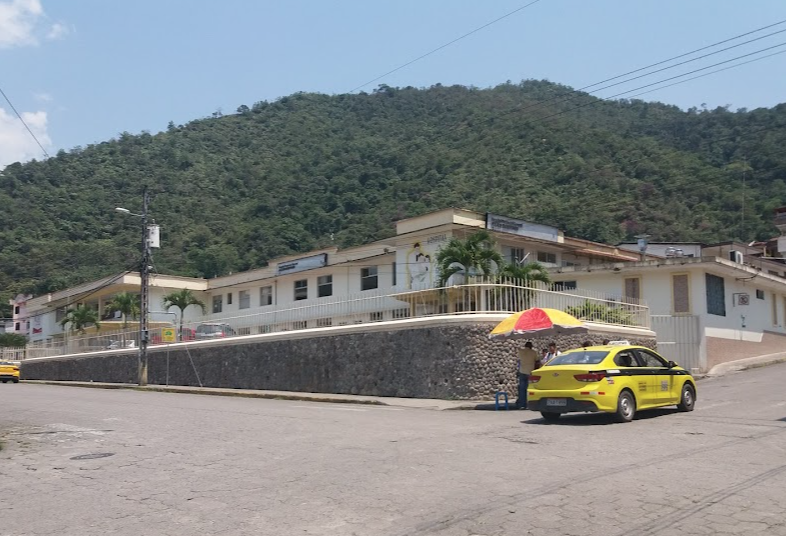
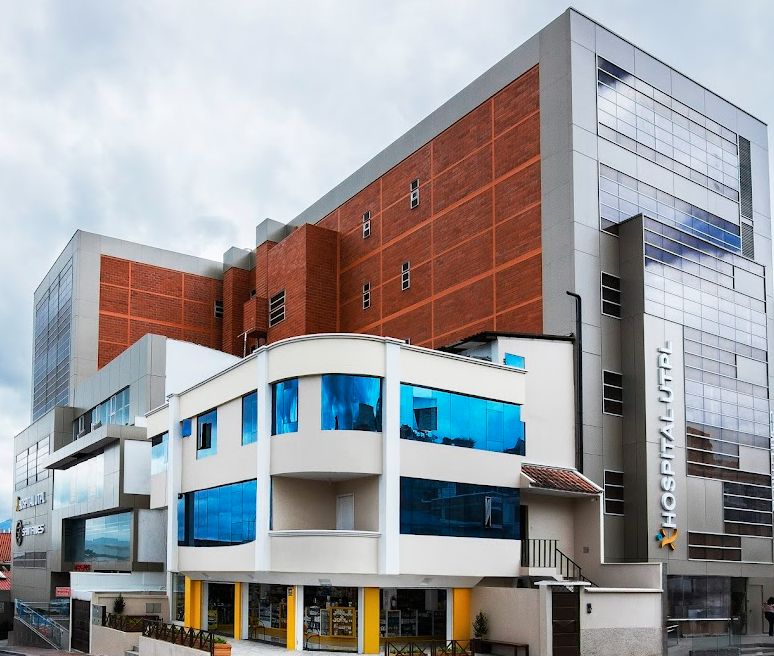
For the general population, public healthcare facilities, run by the Ministry of Health, are free to anyone in Ecuador. However, many of these faculties are centered in big cities, such as Quito, Cuenca and Guayaquil. This is great for people in, or immediately surrounding, those areas. However, rural areas can be very isolated and travel is not always the most accessible, fastest or most comfortable. For example, the closest big city to me is Loja, which is 2 hours away and only accessible by car or bus on one road. During the rainy season, this one road is often impeded by landslides or heavy traffic from accidents. This can block the road for several hours or more. My city, despite being the capital of the province, does not have facilities for trauma care or other high-intensity medical services. As a volunteer, the best health services I have been instructed to access when needed are in Loja. There may even be circumstances when I need to travel to the next big city, Cuenca, which is an extra 6-8 hours. If I needed immediate trauma-support, the Peace Corps would send a helicopter, which is unfortunately not available to the average person.