During the austral summer, extended daylight allows scientists to work for long hours and power solar energy systems. Additionally, stable ice shelves and rocky outcrops make it possible to build research stations, while the extreme cold helps preserve food and supplies. Together, these environmental features, combined with advanced technology and international cooperation, enable people to live and work in Antarctica for scientific research despite the severe conditions.
Staying warm any time of year is a challenge here. With temperatures between 0°F and -100°F throughout the year, being prepared with the right gear, equipment, and multiple safety plans is critical for everyone’s well-being. All supplies, including food, must be brought onto the continent either by plane or boat. During the winter months, when the South Pole experiences one long “night,” the folks who stay at the South Pole must be totally self-sufficient as it is nearly impossible for planes to land.
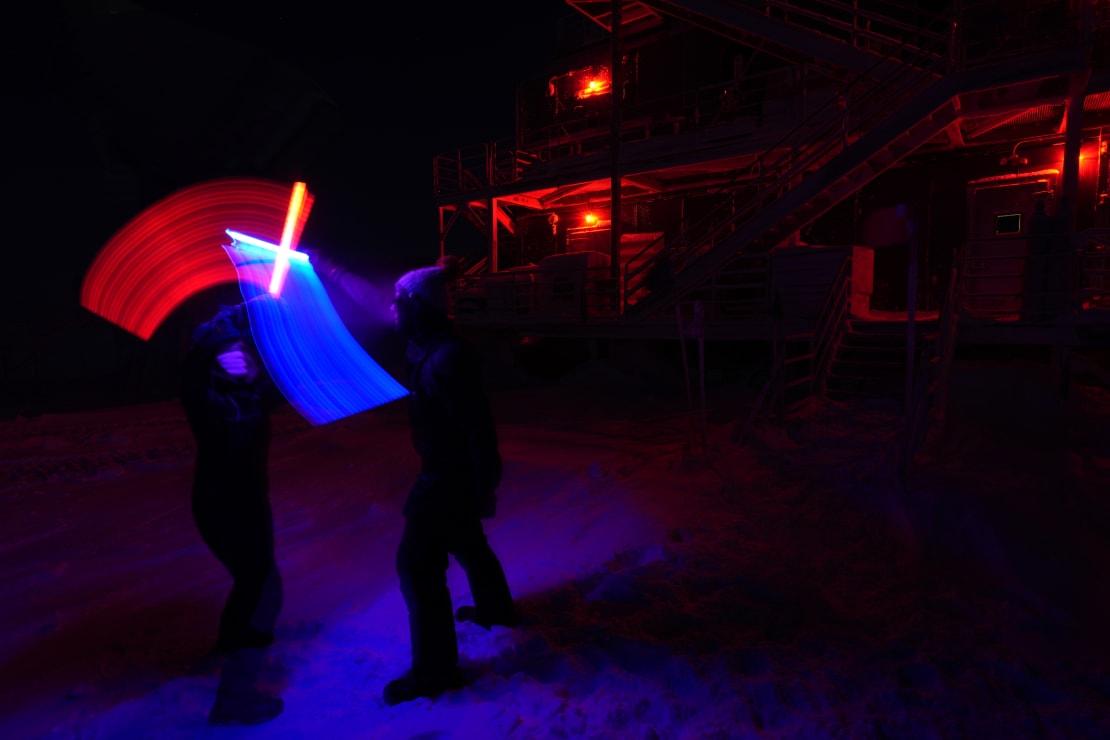
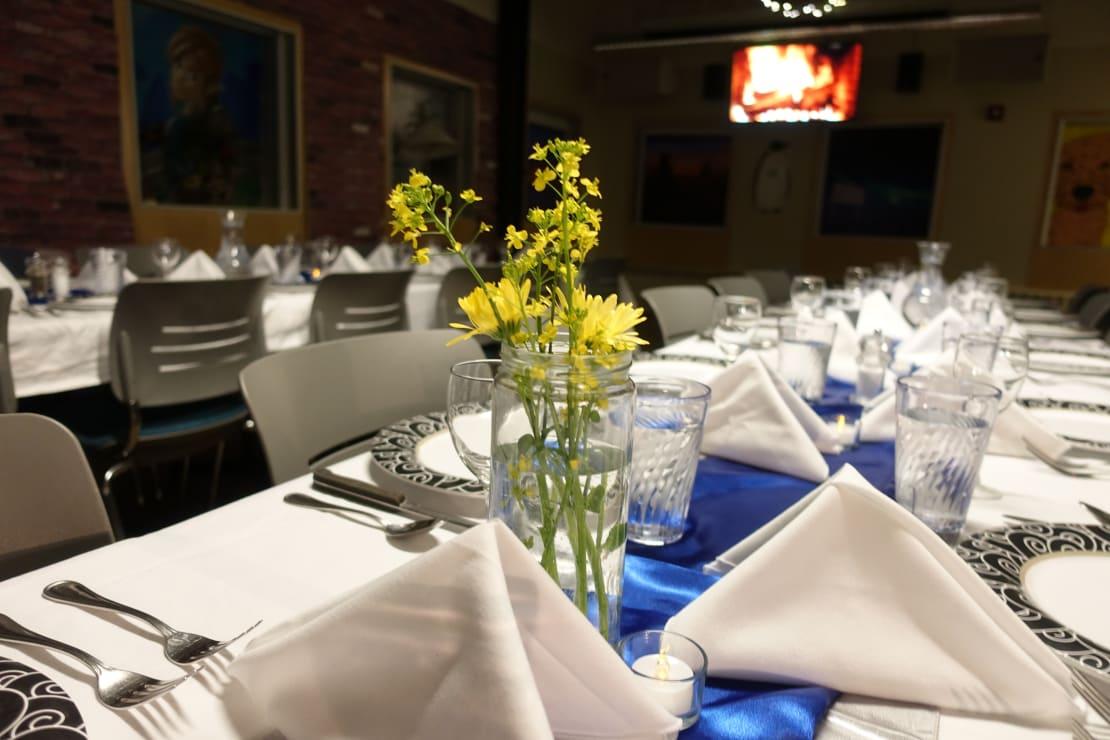
As the only living creatures at the South Pole, we have found ways to stay healthy and happy all year long. As mentioned in prior entries, the chefs cook up incredible food that keeps morale high. There is a strong sense of camaraderie and teamwork among those who work here. And annual traditions and celebrations keep time moving and give everyone something to look forward to.