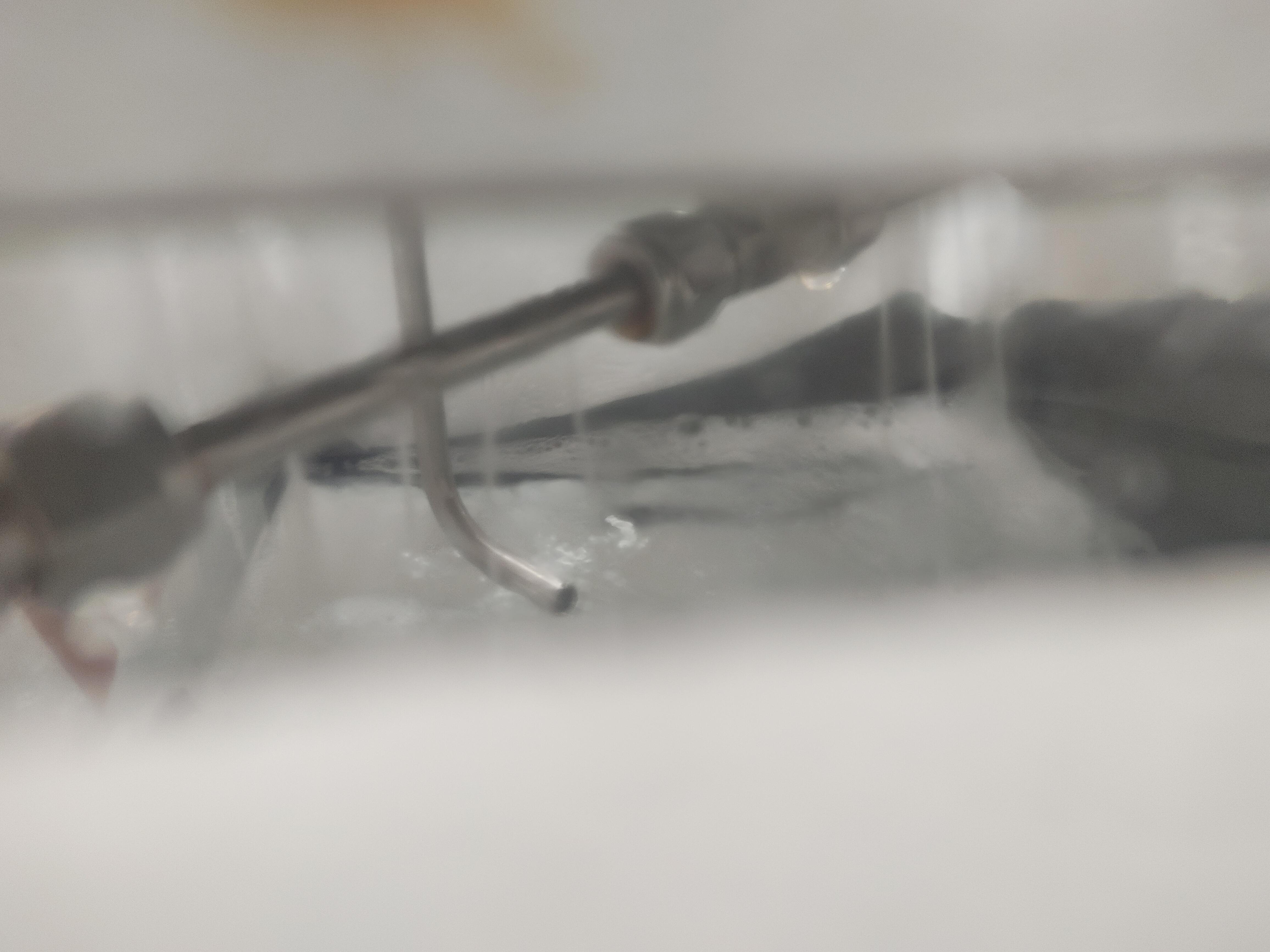
A process that seems really small but actually is really important to understanding aerosols is bubble bursting. One way that these bubbles form is from waves. You can see bubbles around white caps. When the bubbles burst, they loft water in the air along with anything else in the water like sea salt and biological products. You can see this same thing with soap bubbles too! If you make some big soap bubbles and then watch them pop, you will see that little droplets spray off them. In the ocean, those droplets are picked up by wind and sometimes become the aerosols that make clouds. It is amazing that something as small as a bubble bursting contributes to something as big as a cloud!
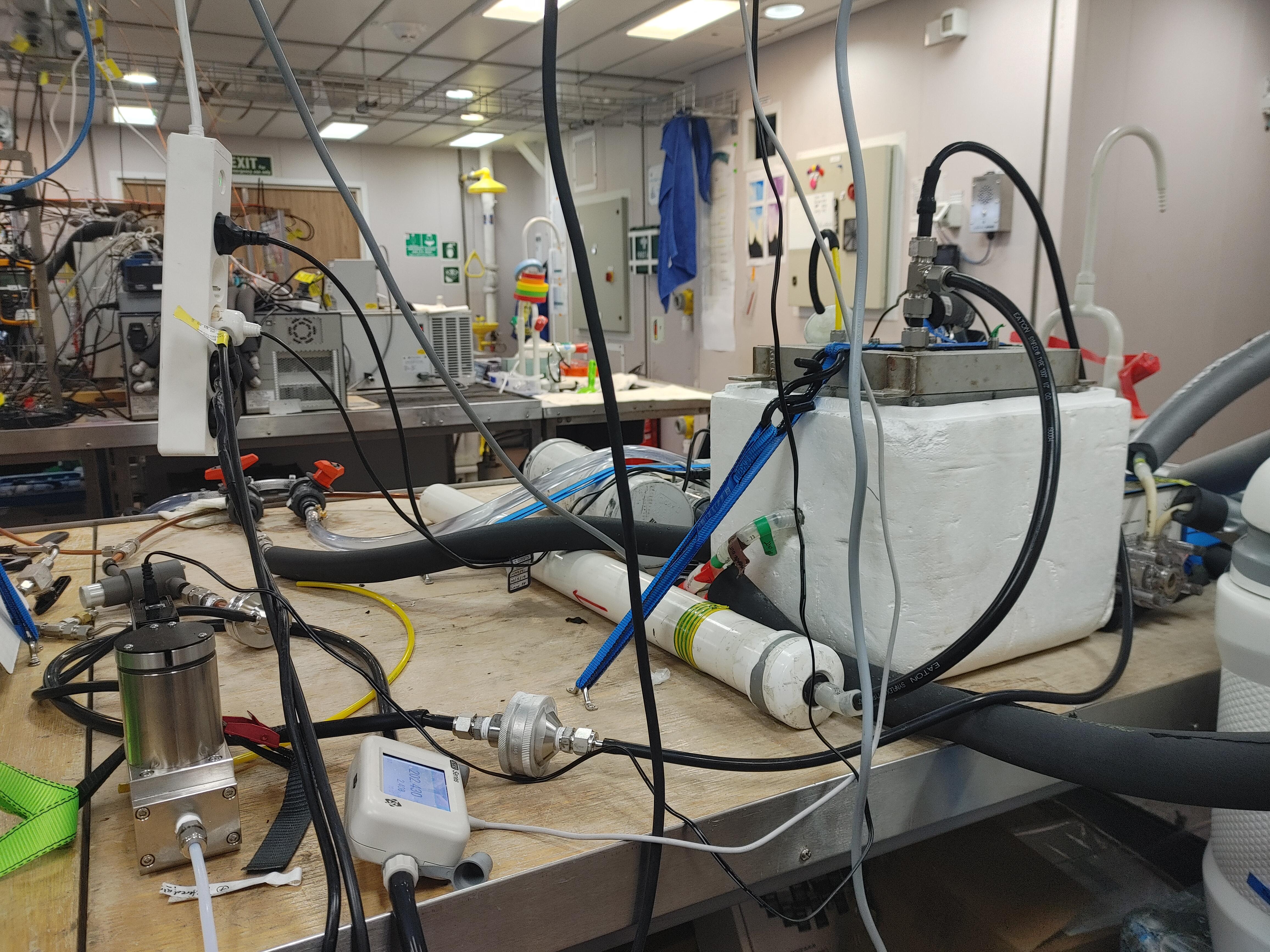
We are in the last week of our voyage now and are working on wrapping up a lot of the projects and experiments on board. Next, we will pack up everything on the ship and send the samples we have collected back to the U.S. for processing. The other research groups on board will send their samples back to their own labs which are mostly in Australia. We will continue to collaborate as everyone processes their data. This voyage will have provided a valuable dataset that links ocean biology to cloud and aerosol properties. Personally, I am very excited to see the discoveries that have come out of this voyage!