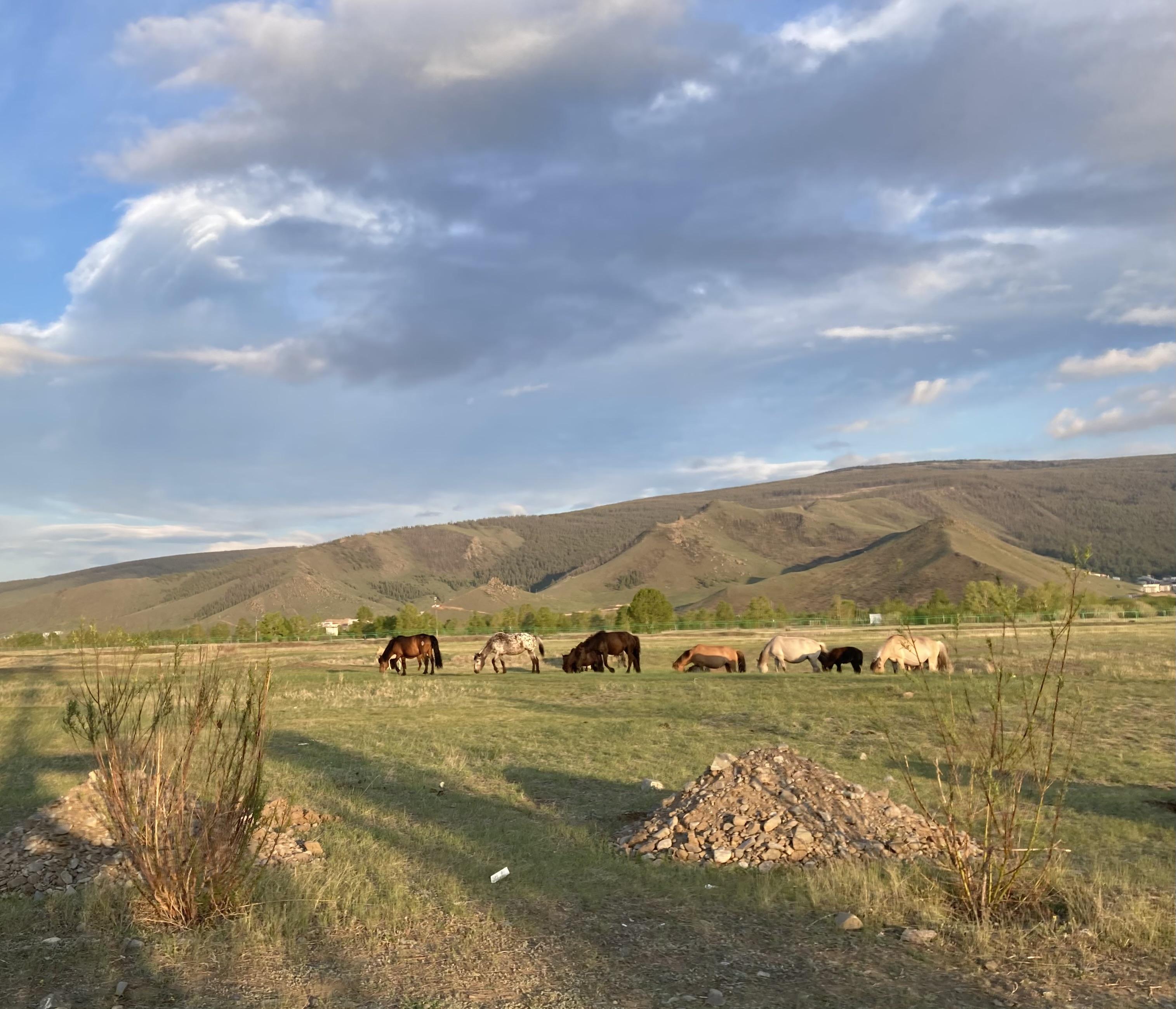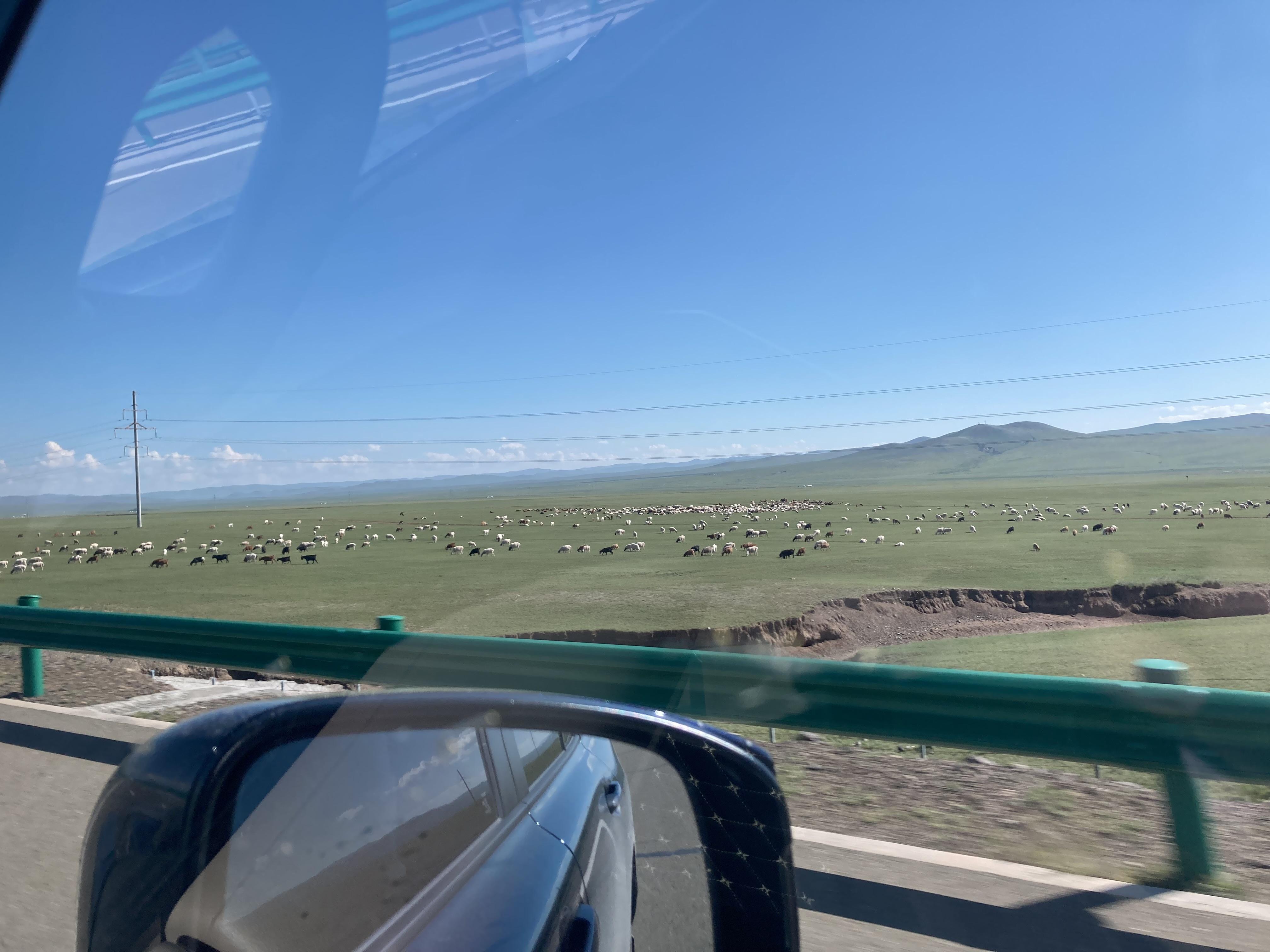
According to the 2024 Livestock Census, there were 57.6 million livestock counted, in comparison to only 3.5 million people, as counted by the National Statistics Office of Mongolia. This means that although there is not much vegetation other than carrots, cabbage, potatoes, and onions year-round, there is still a lot of available food in the form of animals and animal products.
Concentrated to the north, there are also quite a few rivers that tend to freeze over in winter, but when heated, make for a decent amount of fresh water to drink and utilize as well. The availability of water also makes the northern part of Mongolia much more fertile. Many people are surprised to find out that Mongolia grows its own cucumbers, and even watermelons in summer!
In Mongolia, the main challenge that faces people every winter is the extreme cold temperatures. Winter temperatures get to -30 or -40 Fahrenheit at times, meaning that the land is frozen solid, and can even make peoples' cars freeze!
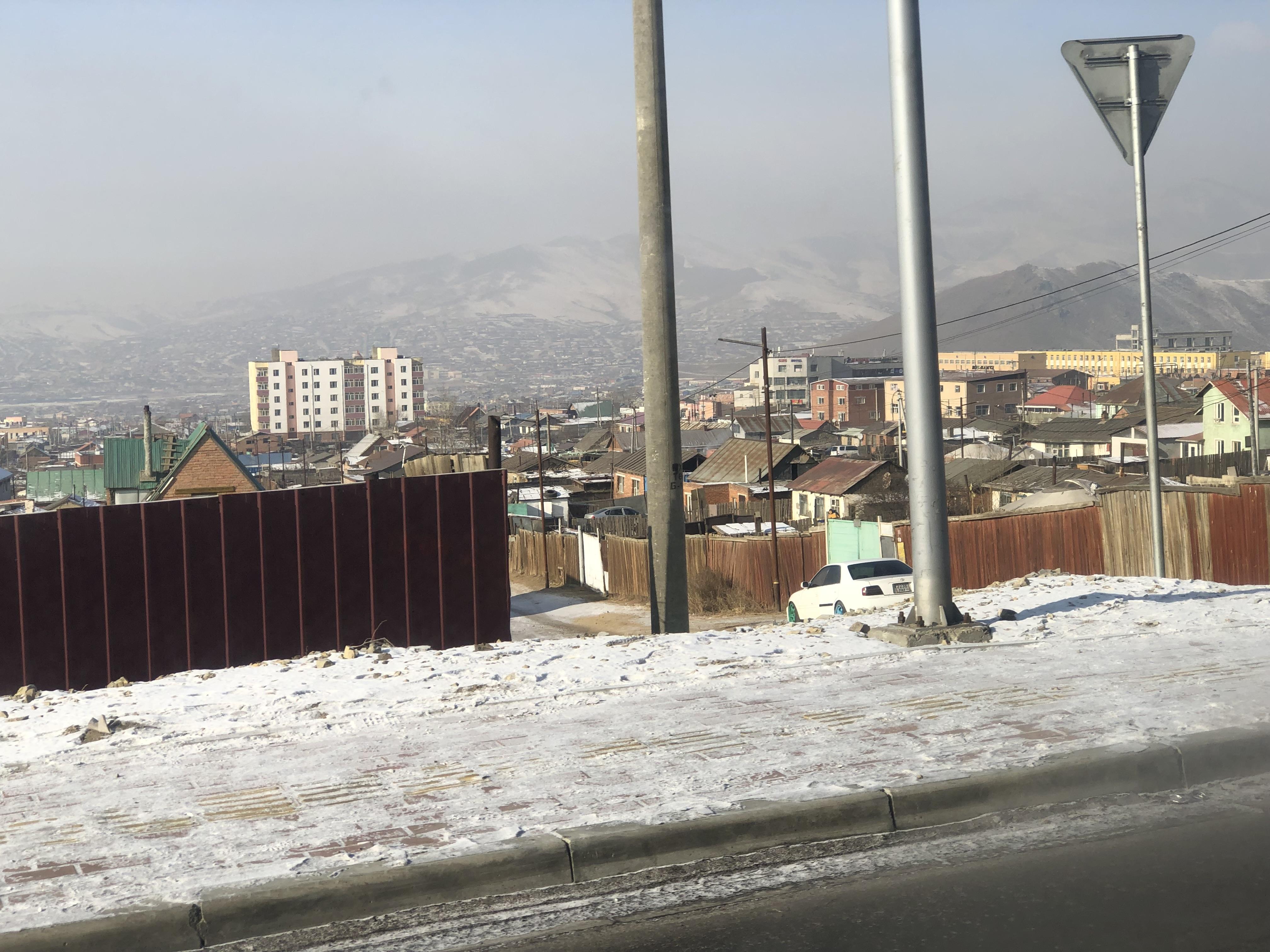
In Ulaanbaatar, however, not just the cold challenges the people. Air pollution is also a major problem, since in Mongolia, they burn coal for energy. Burning coal for electricity means that the sky becomes very smoggy in the winter, when the most power is necessary. This means that people need to wear masks to protect themselves from both the cold and the air quality in Ulaanbaatar.