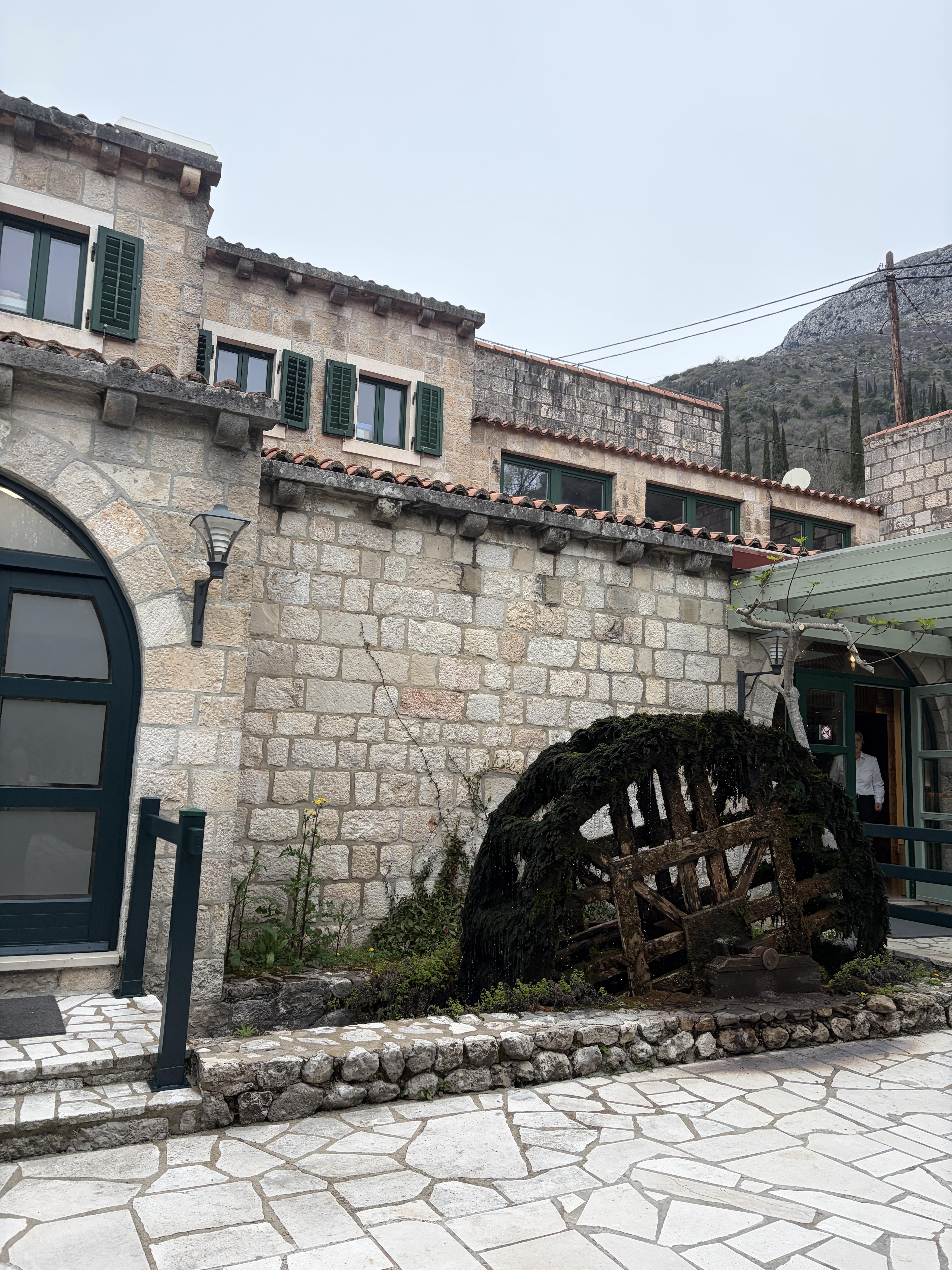
Even though the environment can be intense, it actually provides a lot of natural advantages, especially if you know how to use them. One of the city's best adaptations to its environment is the way buildings are constructed. The thick stone walls act like natural insulation. During the day, they absorb heat slowly, which keeps the inside cooler. At night, they release that heat gradually. This means people have been able to stay comfortable for hundreds of years, even before modern technology.
The layout of the city also helps. Narrow streets create shade for most of the day, which makes walking around more bearable in the summer. You’ll often find that one side of the street is always shaded, almost as if the city were designed with a built-in cooling system.
The sea is another major advantage. It not only provides food and transportation but also helps regulate temperatures. Breezes coming off the water can make a huge difference, especially on the hottest days.
Of course, not everything about this environment is easy. In fact, some of the biggest challenges come from the same things that make Dubrovnik so special. Heat is a major issue, especially in the summer, when temperatures are usually between 85°F and 100°F (29°C and 38°C). The same stone that keeps buildings cool can make the streets feel much hotter because it reflects sunlight. On very hot days, it can feel like the heat is coming from every direction—above, below and around you.
Another major challenge is overtourism.