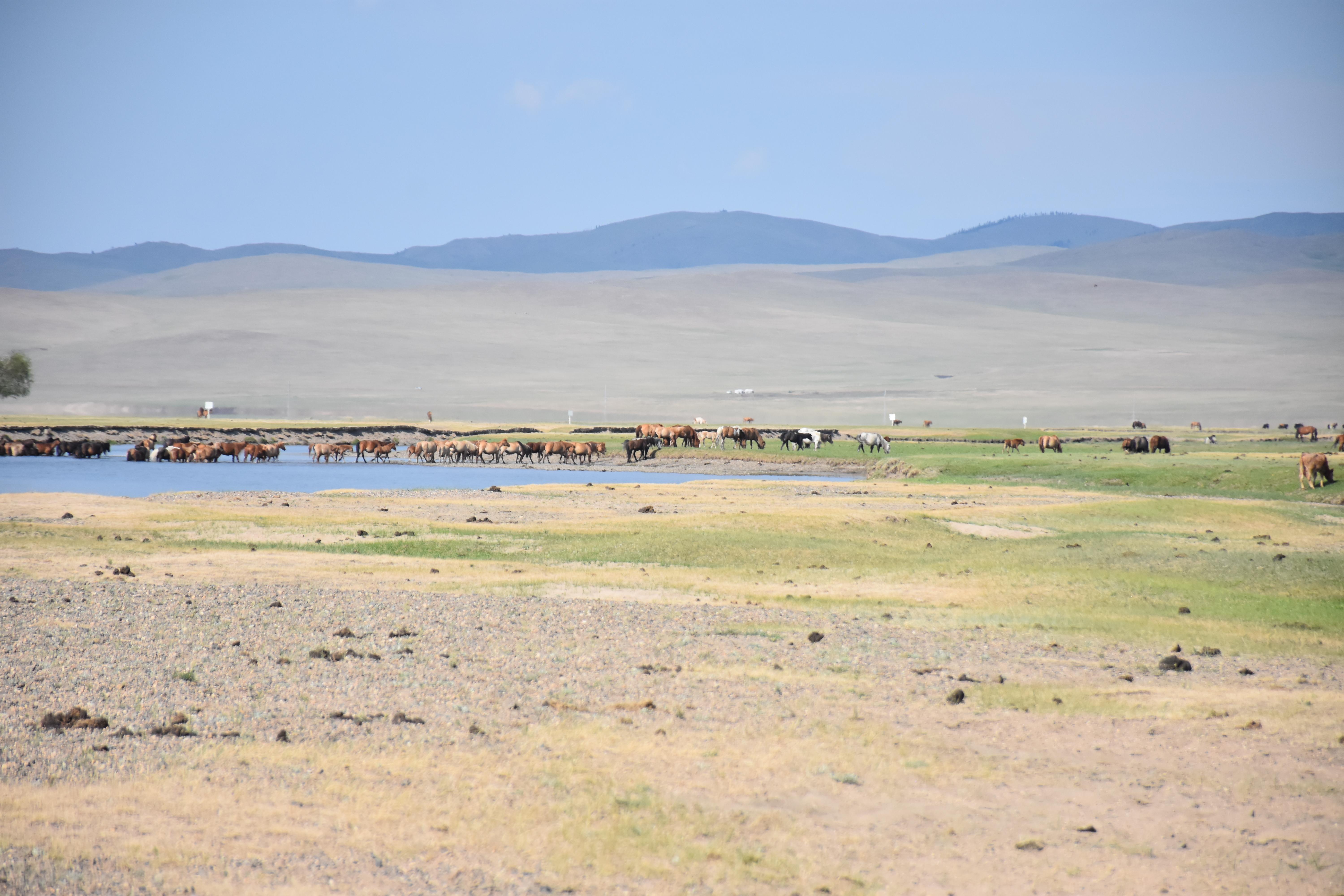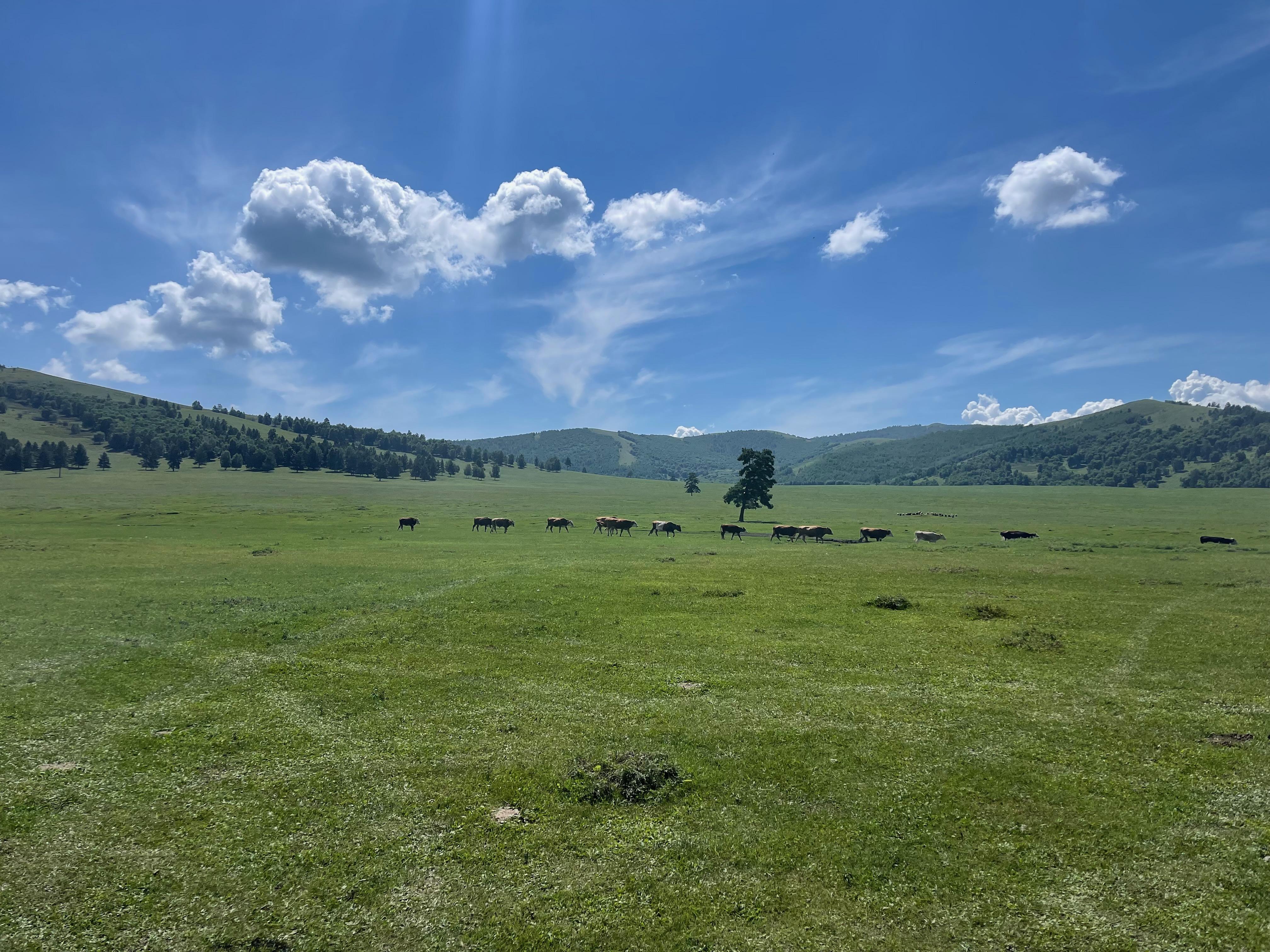
Mongolians are very resourceful, and their diet is based mostly on meat and milk from livestock. The "big five" animals provide most of the food people eat on the steppe. These animals include: camels, cows, sheep, yaks and horses. These animals also supply many other important needs, such as transportation, materials for clothing and shelter and products that can be traded, which makes life on the steppe possible.
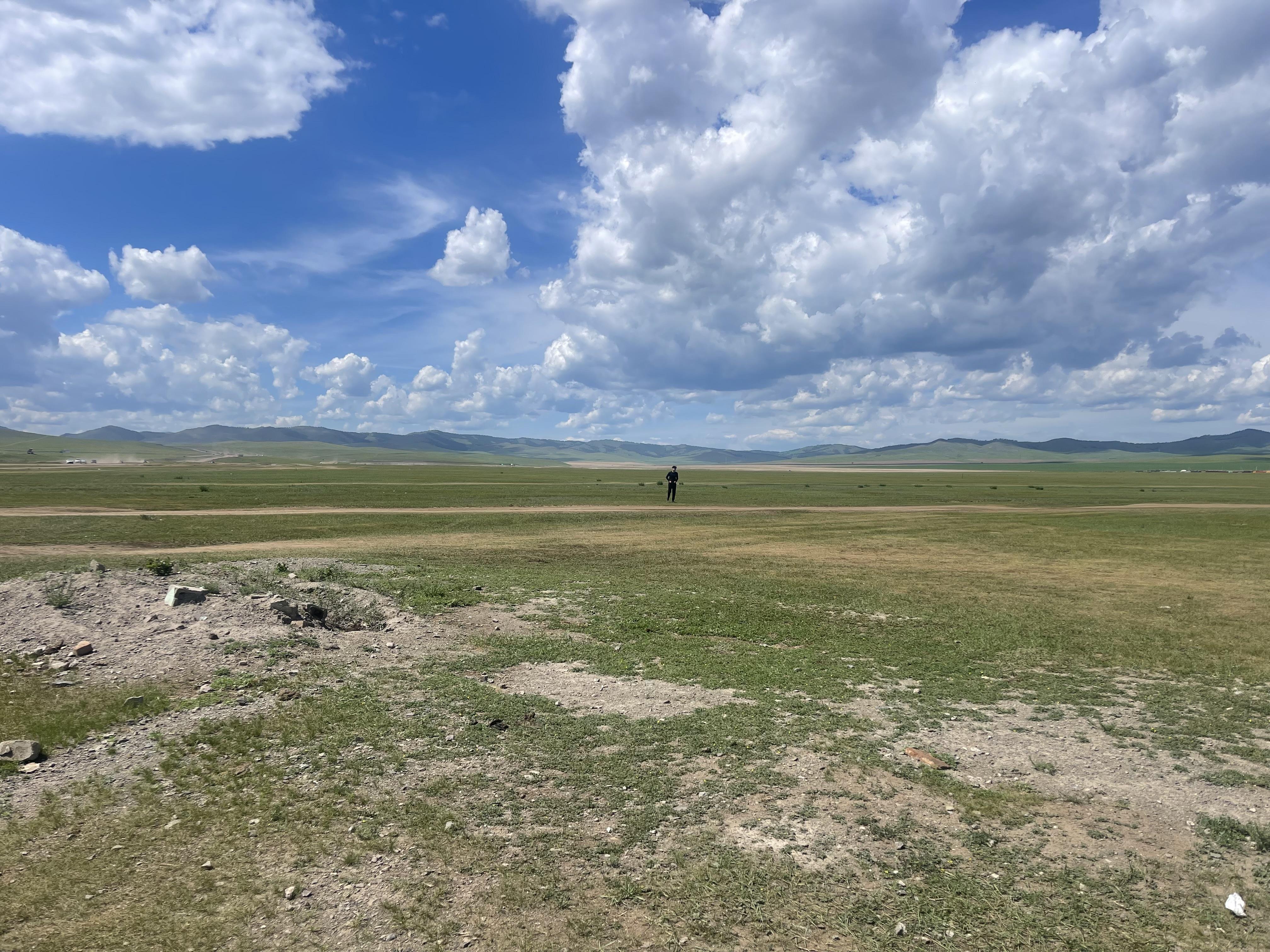
The Mongolian Steppe is a difficult place to live because the environment is very harsh. Summers can be warm, but they are short, while winters are long and extremely cold. Temperatueres can drop to about -40 degrees, which makes everyday life and travel very hard. People also face dangerous natural disasters, like a dzud.This is when temperatures suddenly fall and many animals freeze to death, and spring wildfires that spread quickly in the dry, windy conditions. On top of this, the soil on the steppe is poor, so very few vegetables and plants can grow, which makes it challenging to produce enough food.
Mongolians have been adapting to the steppe for thousands of years, and many people still live in ways that are similar to their ancestors. While some people now live in city apartments with heating, many others continue a nomadic lifestyle, moving with their herds of livestock from pasture to pasture as the seasons change. These families live in gers, the traditional Mongolian round tents that are easy to take apart, move and rebuild, which makes it possible to follow grass and water for their animals.