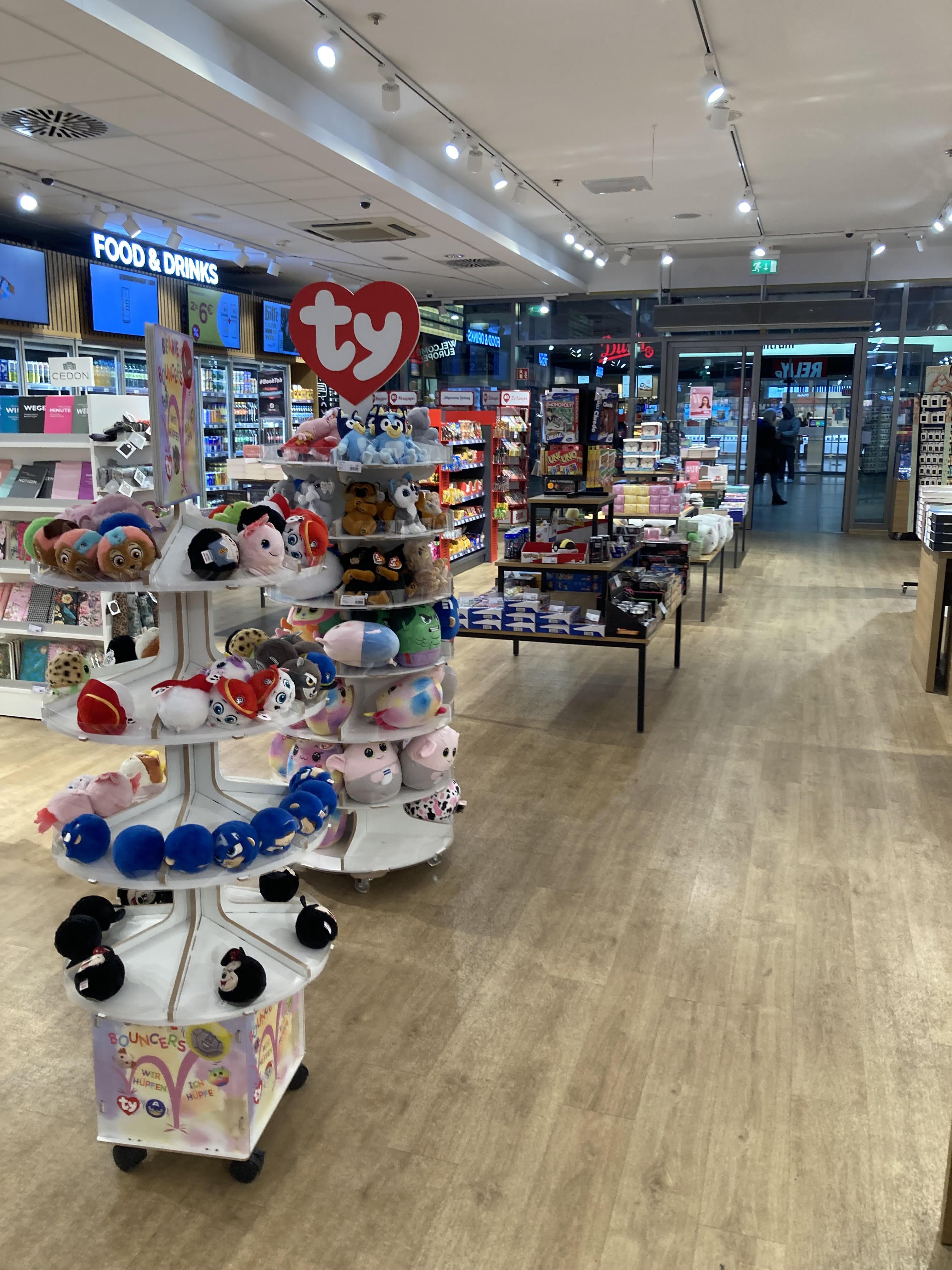
Train stations are also really nice. Large ones basically function as malls since they have so many stores in them and, unlike most other stores in Germany, are open on Sundays. The problem with the Deutsche Bahn is that it has a lot of delays. It's not uncommon for trains to be cancelled or delayed for more than half an hour. This can be especially bad when they're doing repairs on certain tracks, and you have to take special shuttle buses for part of the train lines. I had this happen when I traveled to Bonn and ended up delayed more than 2 hours by having to connect to shuttle buses for a few stops along certain parts of the line between Mainz and Bonn.
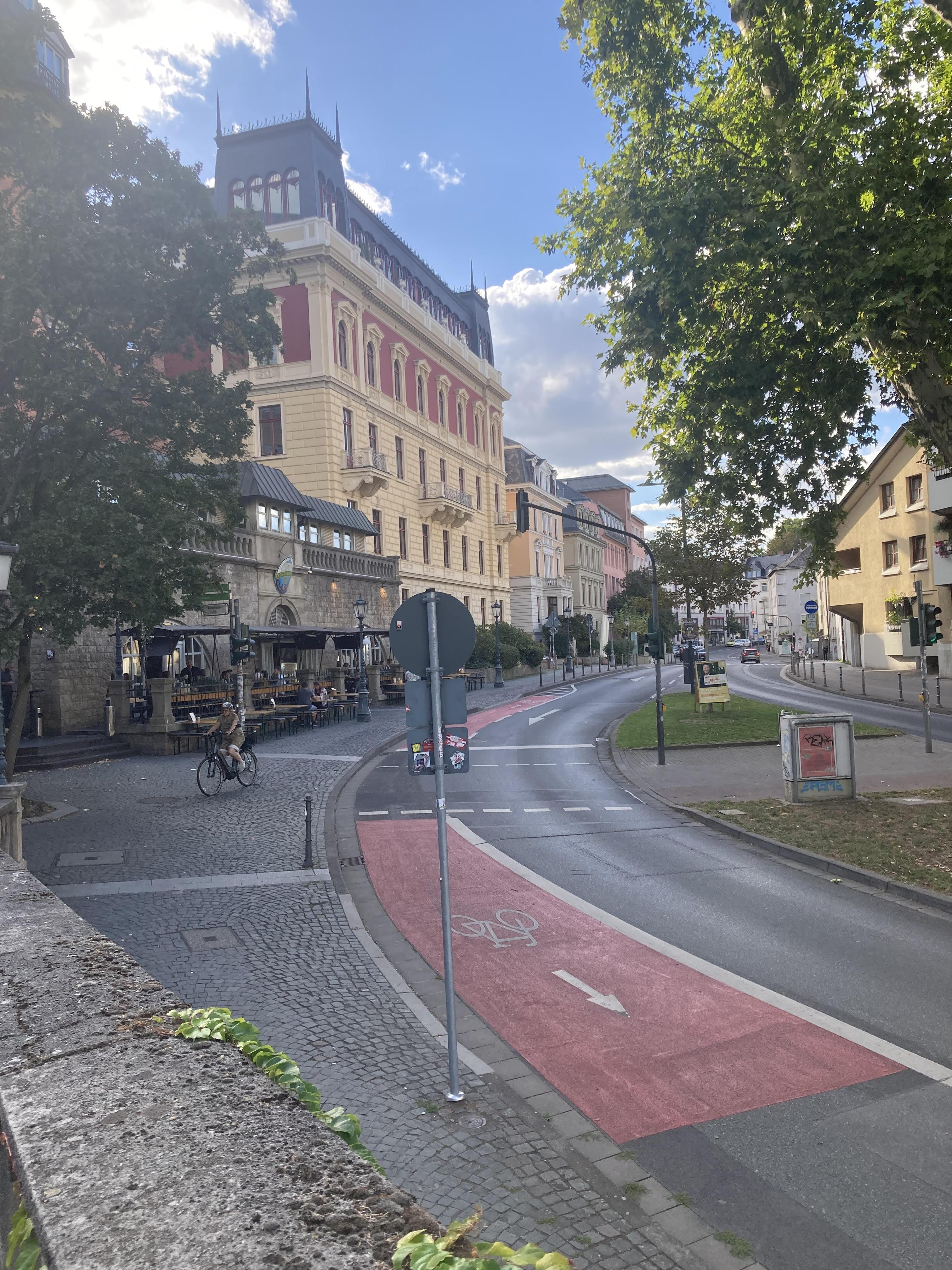
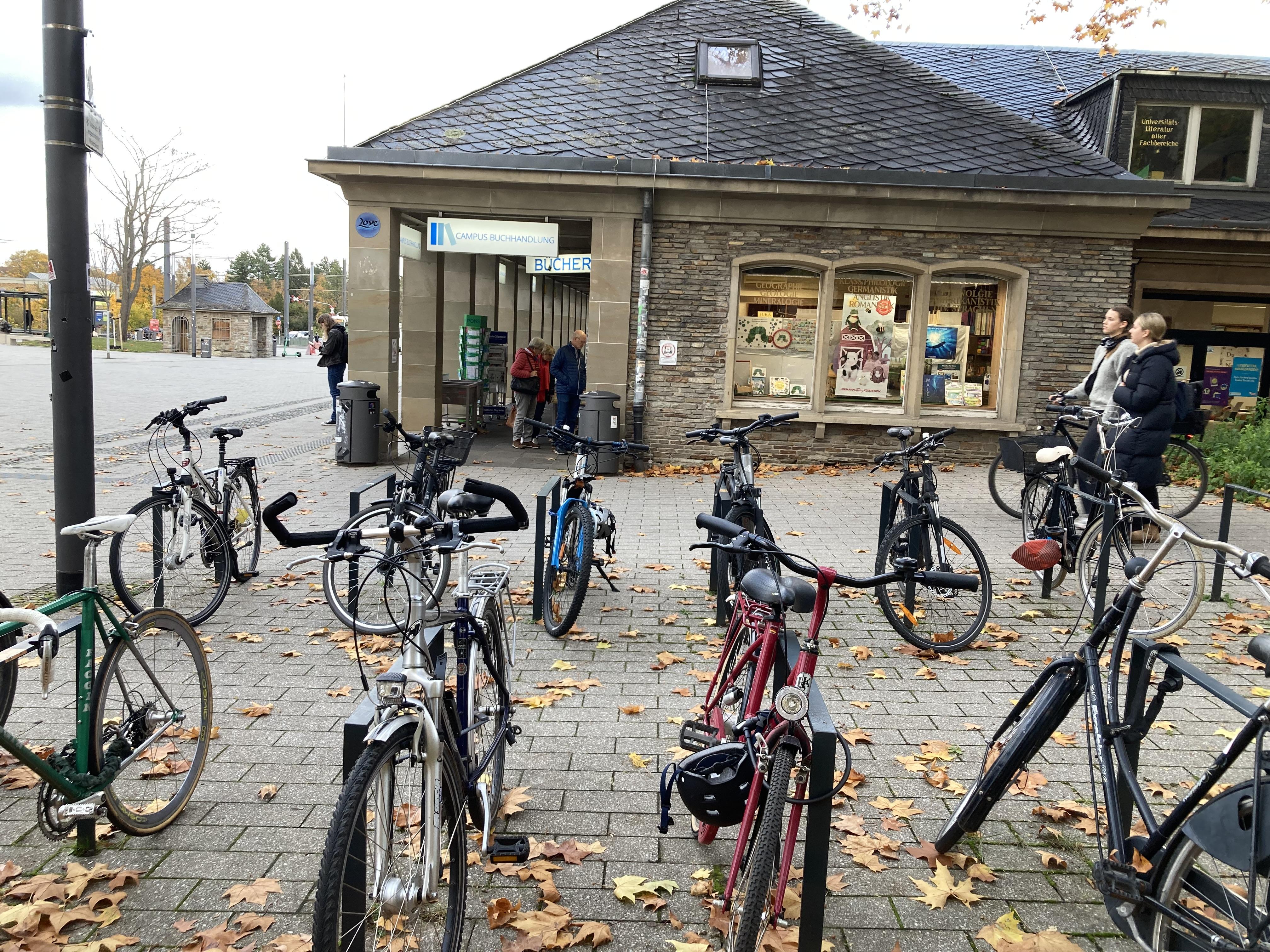
In addition to public transportation, biking is another common form of transit. Biking is much more popular in Germany than in the United States, and most German cities have a lot more bike lanes than American cities. Biking is often significantly faster than taking public transportation, and many Germans, including children as young as 6-7, commute to school by bike. Usually, by age 9 or 10, children start biking to school alone (usually not more than a few miles each way).
While some people in Mainz do drive, it's a lot less common since gas and electricity cost a lot more than paying for public transportation or maintaining a bike. There are also a lot of alleyways and streets where cars aren't allowed. In addition to these main forms of transportation, some people, including some of my students, ride electric scooters.