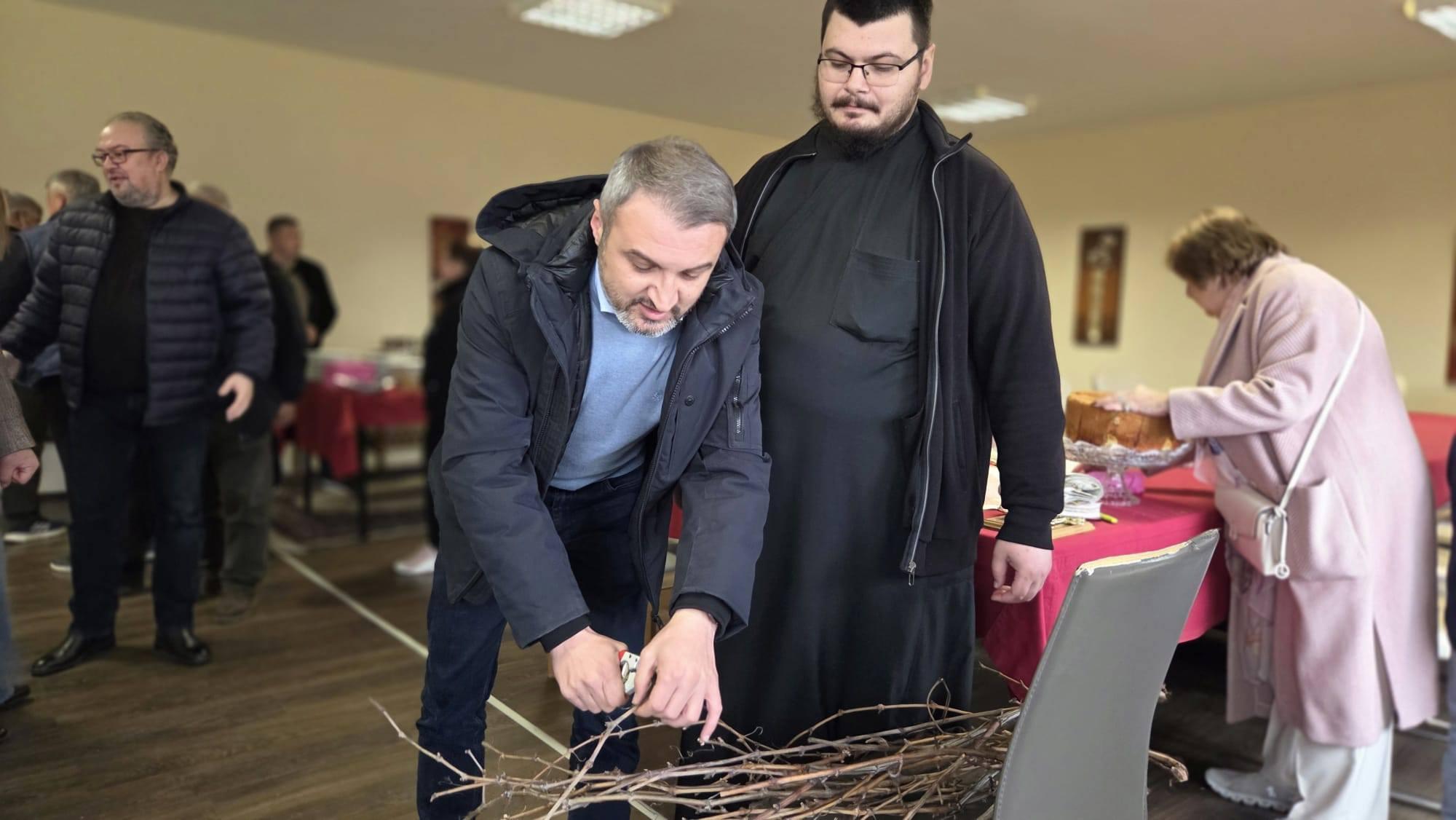
What I think is really interesting is that none of this is about big, flashy moments. It’s all small things—but when you put them together, it creates a feeling that the whole community is starting the year connected, not separate.
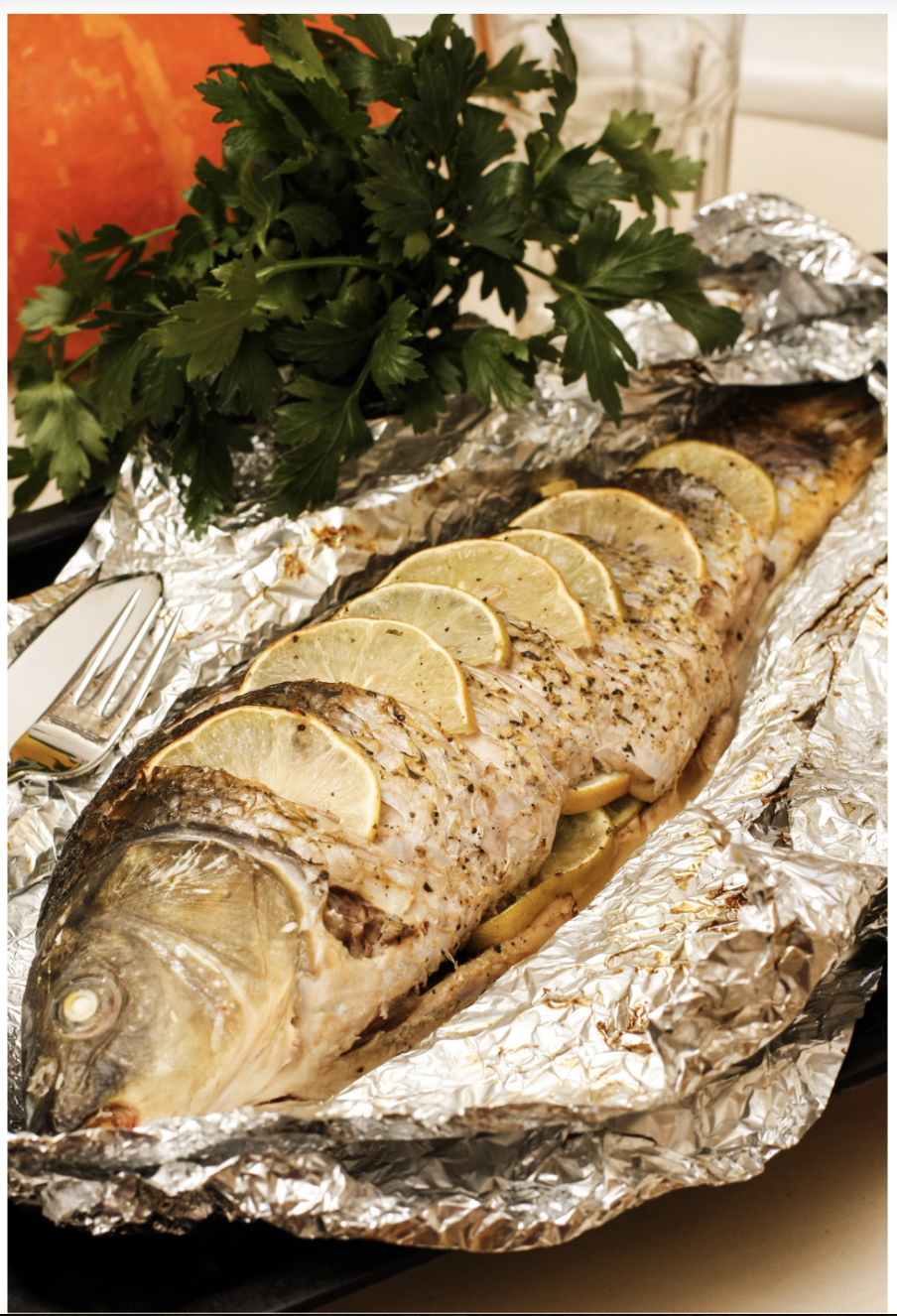
You can really see the connection to the land through the food and the way people celebrate. On Christmas Eve here, people traditionally eat fish instead of meat, which comes from Orthodox fasting practices—but it also reflects what’s been available historically. With lakes like Ohrid and rivers throughout the region, fish have always been an accessible and important food source, especially during winter when other options were more limited.
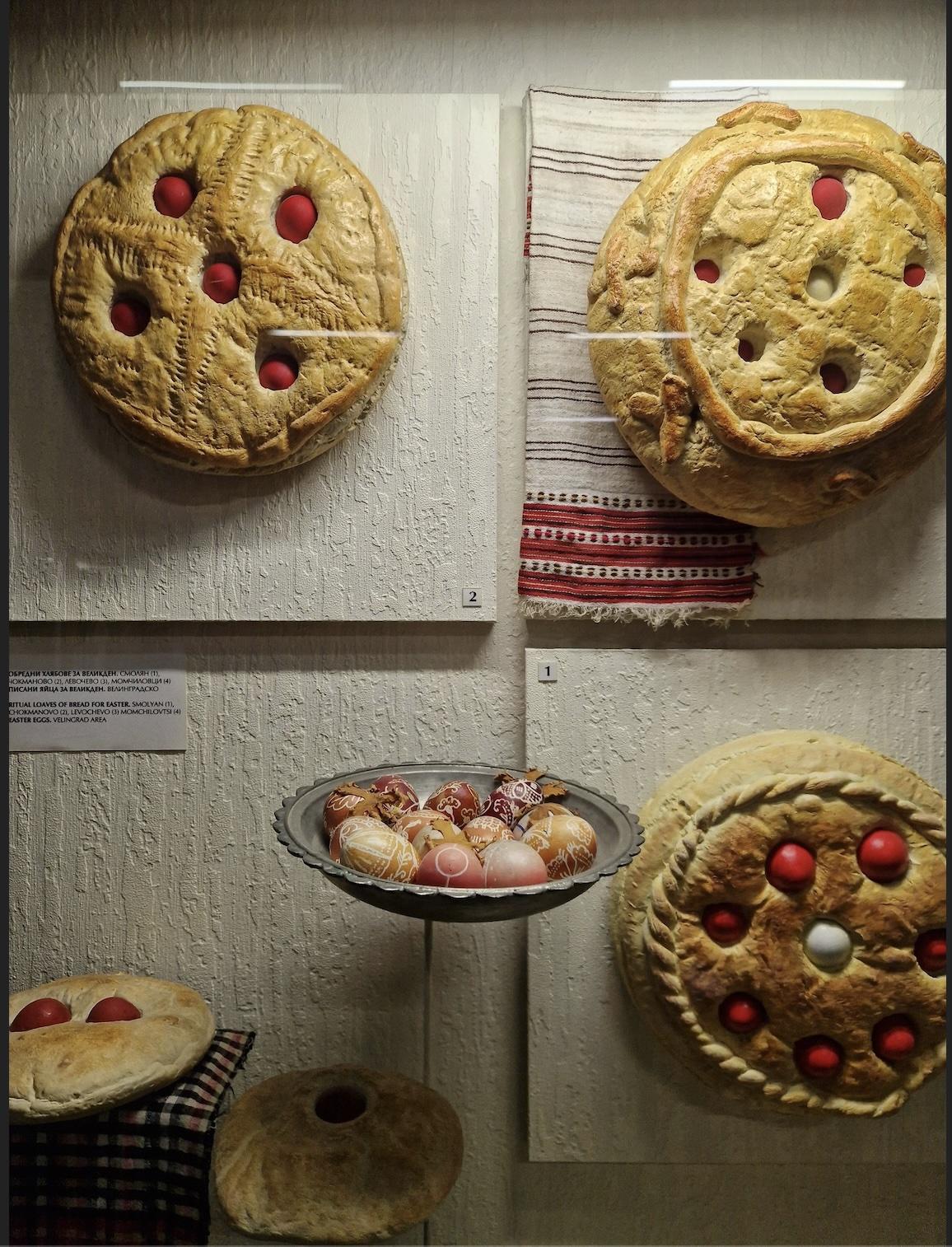
The bread is another piece of that connection. It’s made from basic ingredients that people have relied on for generations: flour, water and time. It comes directly from the land and from people’s own work, which makes sharing it feel more intentional.
The bonfires are not just symbolic—they’re practical and seasonal. In the middle of winter, fire means warmth, light and protection. The act of burning the oak is tied to the idea of letting go of the old year and making space for something new. It’s both physical and symbolic: you’re literally creating heat and light, while also marking a transition. The traditions aren’t separate from the environment. They come directly from it. What people eat, what they burn and how they gather all reflect the land, the season and the reality of winter.