Just like the diversity of people within Morocco itself, Morocco's cuisine reflects a wide range of influences from across Africa, the Arab World, and Europe. Unlike many other other Arabic-speaking countries, Morocco's use of bread over rice with dishes is unique. In fact, Moroccans love of bread goes beyond purely culinary preferences, where regional variaties like the Soussi tafernout (خبز تفرنوت), Middle Atlas Harsha (حرشة), or usual khobz beldi (خبز بلدي) hold spiritual significance in Amazigh culture, in addition to regularly serving as the meal's utensil. You will often find pieces of uneaten bread on windowsills for birds to ensure no bread is wasted after a meal.
Influences from Europe and the Arab World are also featured heavily in Moroccan cuisine, where elements such as vermicelli pasta and a wide range of nuts and spices are regularly used. Moreover, Islam's status in the country today means pork and other forbidden ingredients, such as wine, are off the menu. Nonetheless, some alcohol, such as mahia and kosher wine, are consumed amongst remaining Jewish communities.
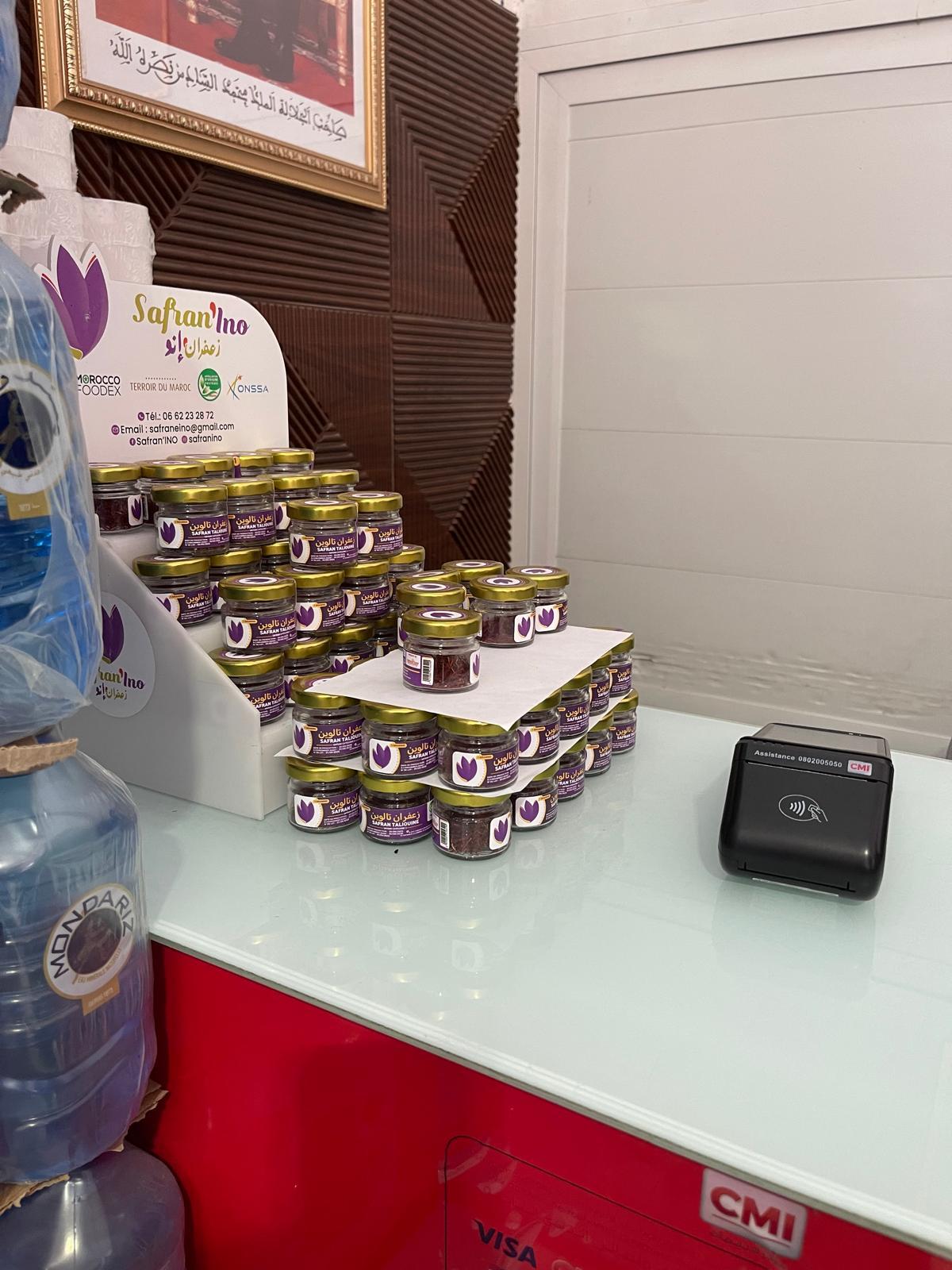
Additionally, Moroccan cuisine is governed by its natural environment, where local staples vary across regions. In the country's south, argan oil (زيت الارڭان) is prized and is one of only places in the world where the tree grows. It is also here where many of Morocco's spices are grown domestically, such as saffron (زعفران) near the city of Taliouine, or roses for rose water near the area of Kelaat M'gouna.
In the Saharan regions to the south and east, camel meat and dates feature prominently.