When stars like the sun run out of fuel, nothing too exciting happens. Eventually the outer layers of the sun will drift away and its small core will be left behind, creating a type of star we call a white dwarf. However, bigger stars go out with a bang, collapsing in on themselves and then exploding at the ends of their lives in what we call a supernova! Medium-sized stars, a bit bigger than our sun, leave behind strange remnants after they explode, called neutron stars. In 1967, a woman astrophysicist named Dr. Jocelyn Bell Burnell discovered a special type of neutron star called a pulsar!
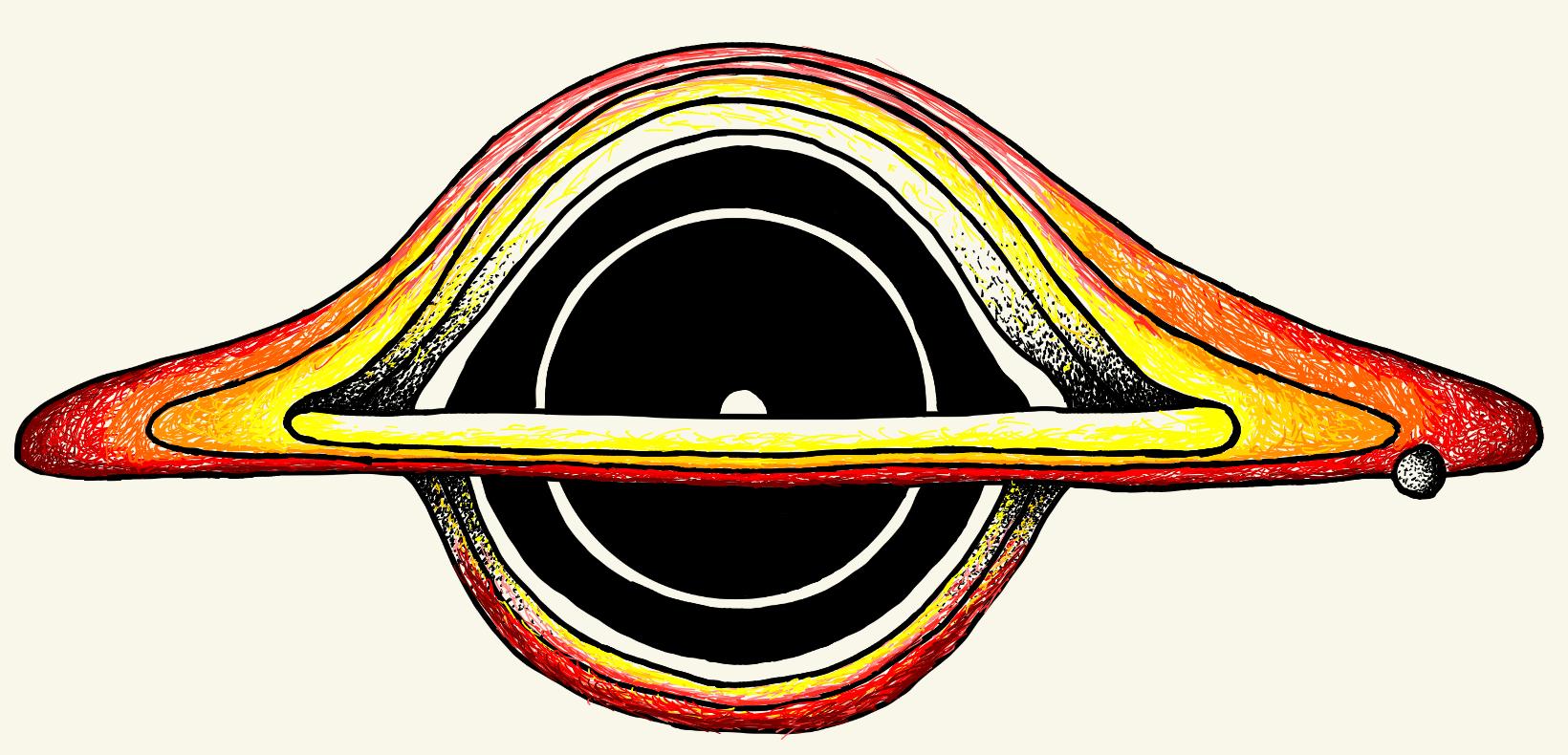
When the biggest stars in our universe die, they collapse so fast that they form black holes. A black hole is created when a huge amount of mass is compressed into a very small size. Its gravitational pull is so strong that not even light can escape from it, so it appears perfectly black. If the Earth were compressed down small enough to become a black hole, it would have to be squeezed down to about the size of a grape!
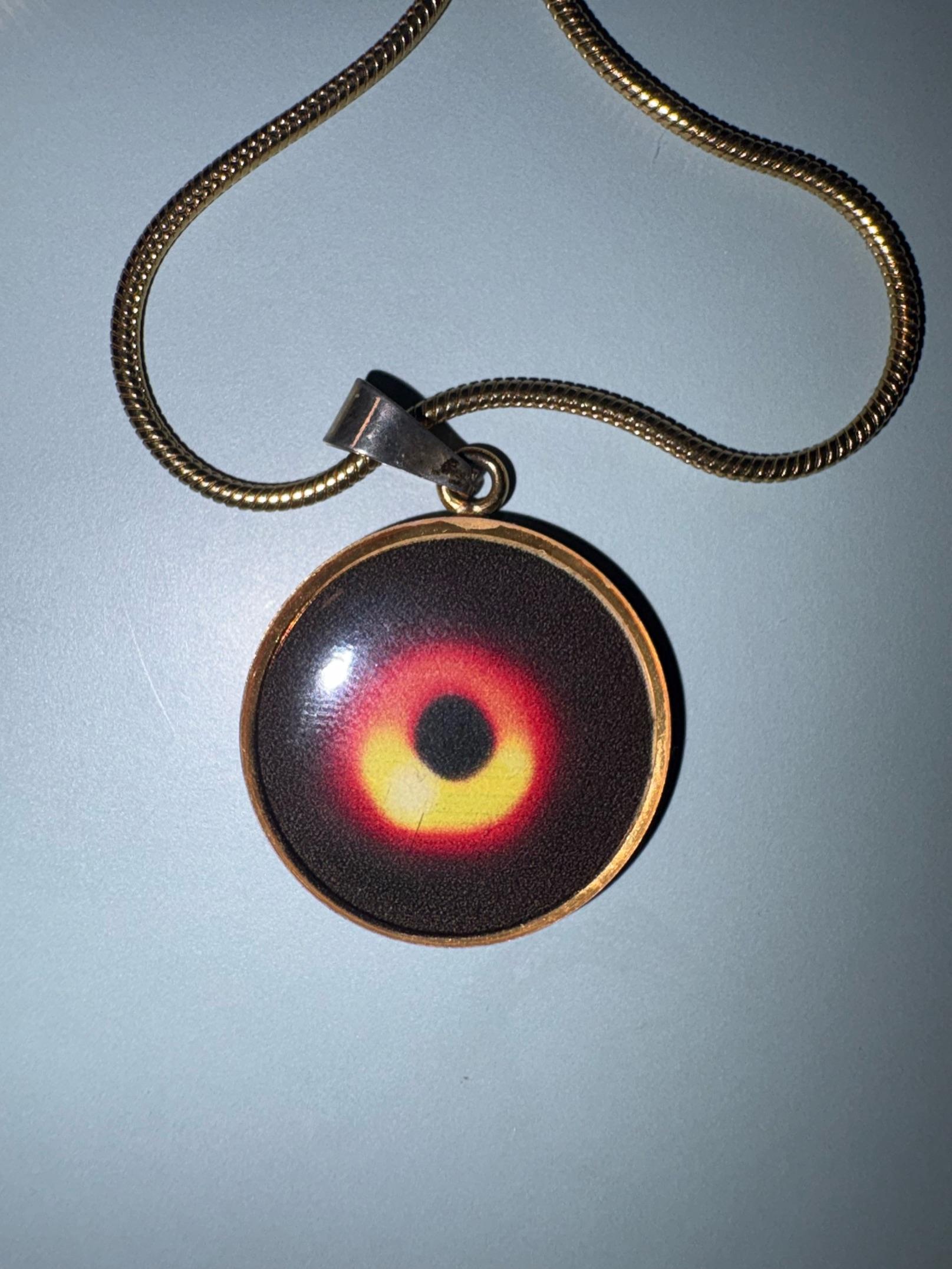
Black holes come in many different sizes, since they can grow larger if more things fall into them. We have even shown that there's a supermassive black hole at the center of our galaxy, called Sagittarius A*. A woman physicist named Dr. Andrea Ghez won the Nobel Prize in 2020 for discovering it. In 2022, a team of scientists managed to take a (very blurry!) picture of it with some really giant telescopes! There's a lot we still don't understand about black holes, such as how they can get so big, how long they might last and what we might see if we were able to look inside them. I'm really interested in understanding the answers to these questions!