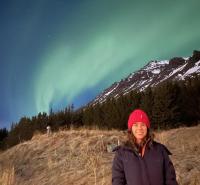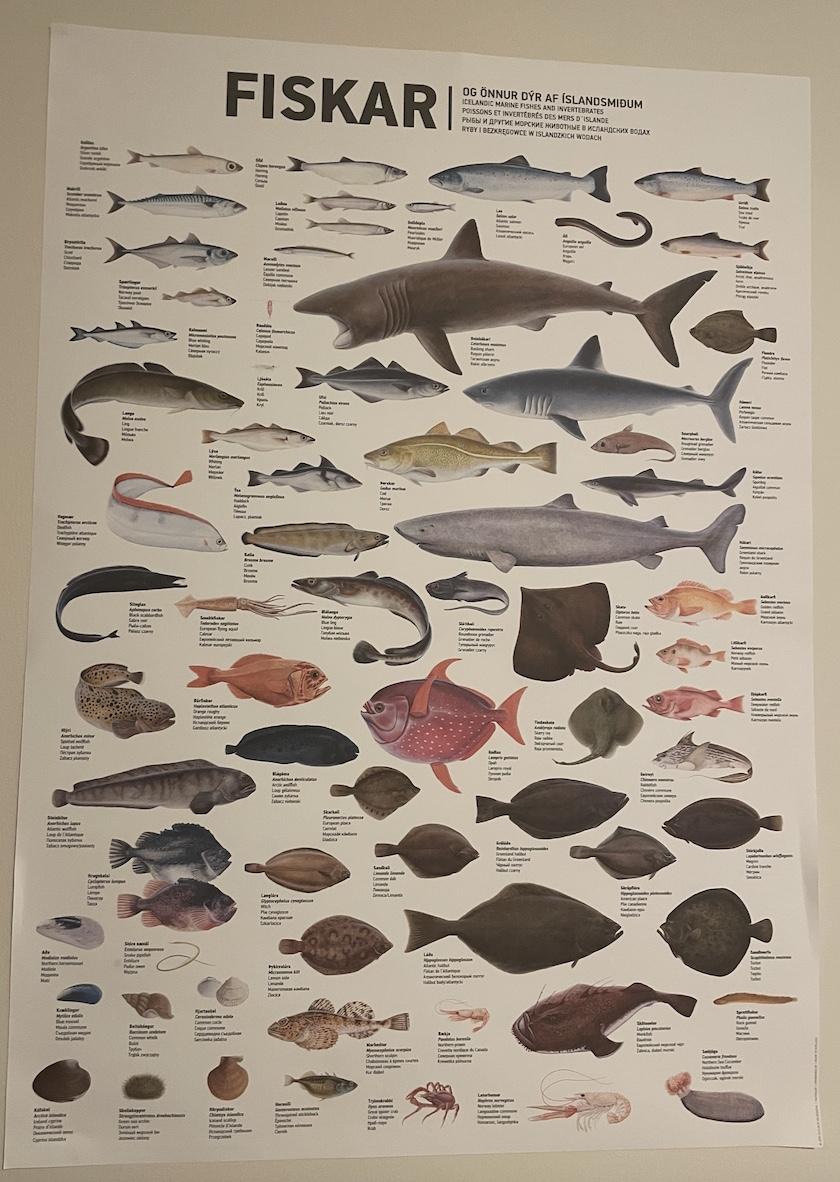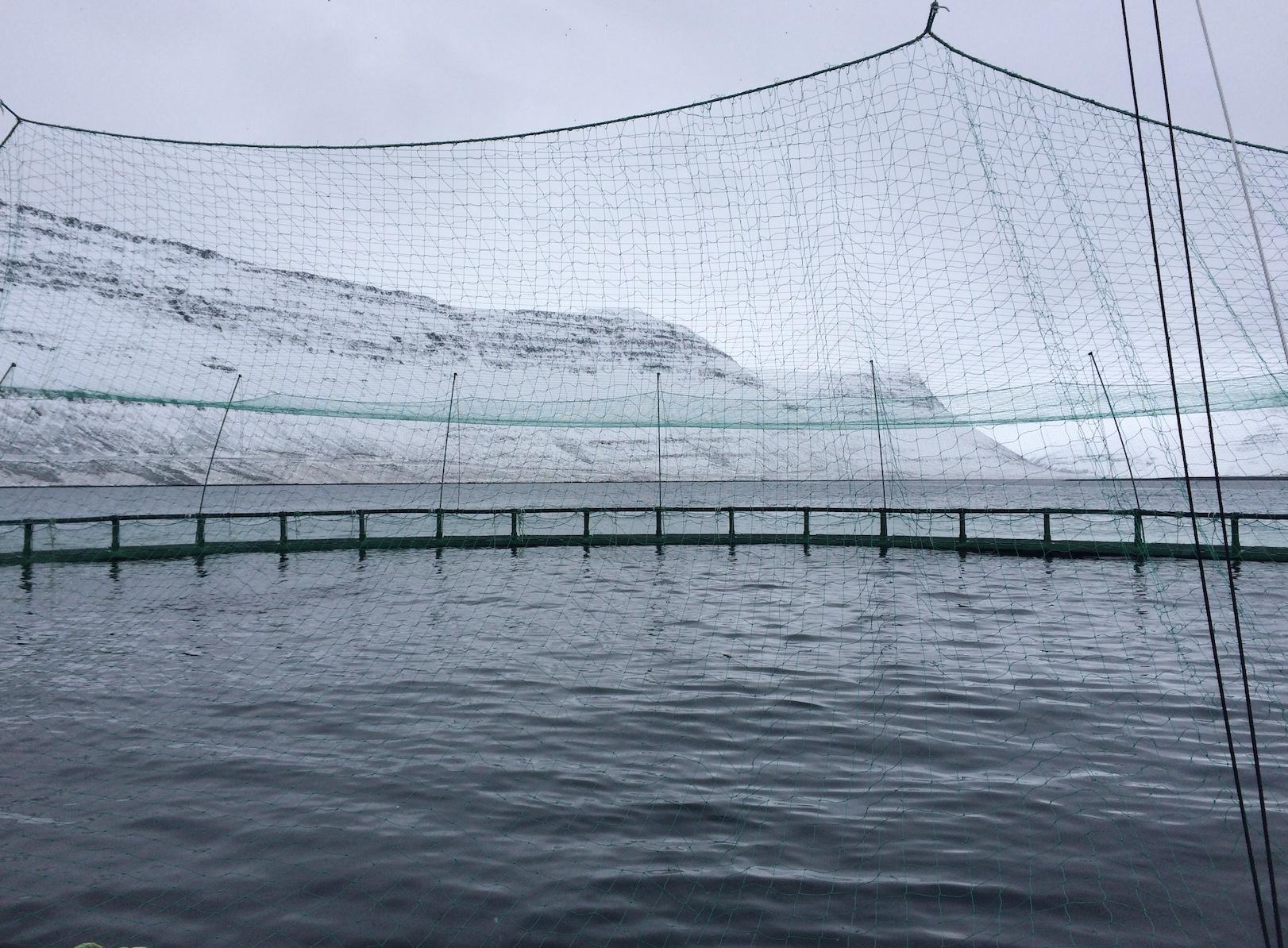
From there, I began my master’s thesis, titled, “Women Involved with Fisheries in the Northern Westfjords of Iceland: Roles, Perceptions, and Hopes.” To do this project, I conducted interviews and handed out a survey in multiple languages to better understand the role of women in fisheries in the Westfjords of Iceland, where I lived. I talked to women who worked in fish processing, went out to sea fishing, and worked making nets.
It’s really important to pay attention to the unique role that women play in fisheries. Women have specific environmental knowledge, work in essential “invisible roles” in the household, and do the majority of fish processing around the world. Many of the women I interviewed for my project worked in fish processing, and they spent their days standing in a line, cleaning and packaging fish. They had moved to Iceland from elsewhere, largely the Philippines or Poland, where jobs either don’t pay a lot or are hard to find.
I discovered that there are significant differences between job satisfaction, life satisfaction, and enjoyment of community for women from countries outside of Iceland. These are all indicators of total quality of life. Knowing this, and the specific knowledge that women have when it comes to fisheries, can improve life for women in Iceland, particularly immigrant women, and can bring women’s invisible roles in fisheries to light.
During my master’s, I also had the opportunity to go out on a fishing trawler myself, where I met both men and women who work in fishing. I learned how to fillet a fish and got to help with some of the science they did onboard, looking at what fish were being caught where and what stage of their reproductive cycle they were in.